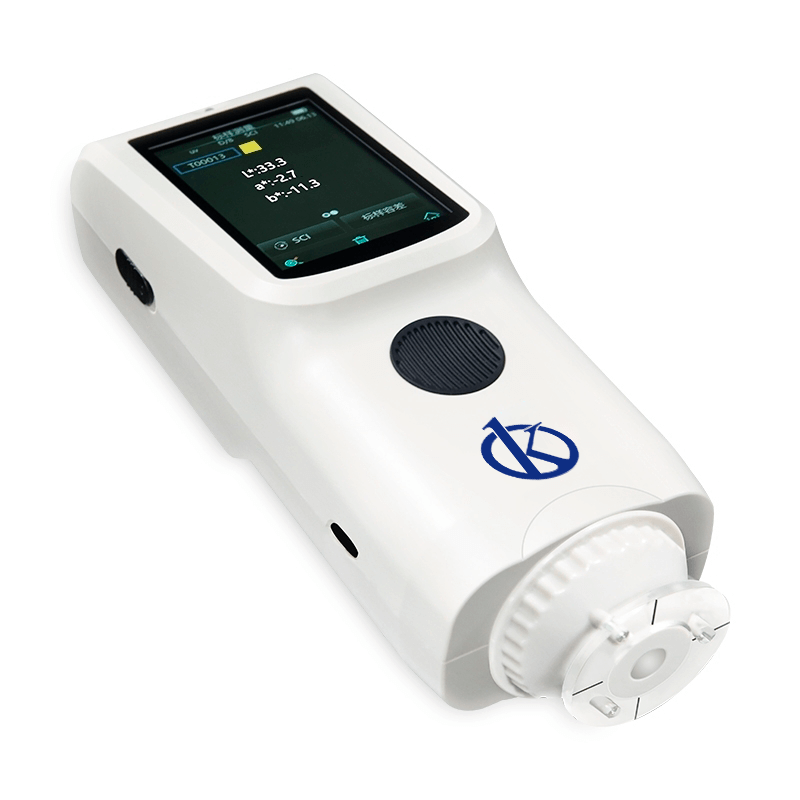
How Spectrocolorimeters Contribute to Energy Sustainability and Environmental Footprint Reduction
In today's laboratory settings, the demand for energy sustainability and the reduction of environmental footprints are more pressing than ever. As laboratory professionals seek to optimize their operations, spectrocolorimeters emerge as essential instruments. This article delves into how these devices not only facilitate accurate color measurements but also play a pivotal role in promoting energy-efficient practices and minimizing waste in laboratories.
Understanding Spectrocolorimeters in the Context of Sustainability
A spectrocolorimeter is an analytical instrument used for measuring and quantifying colors based on standardized color spaces. The functionality of these devices is crucial for ensuring consistent quality in various applications, including paints, plastics, textiles, and more. By achieving precise color measurements, laboratories can significantly reduce waste associated with product failures due to color inconsistencies.
Furthermore, modern spectrocolorimeters are designed with energy efficiency in mind. Many models utilize advanced technologies that consume less energy during operation, which directly contributes to sustainability efforts in laboratories. Additionally, these devices often support the reduction of reagent waste, which is another critical aspect of minimizing environmental impacts.
Comparison of Available Models
| Model | Dimensions | Price (USD) | Best for |
|---|---|---|---|
| YR05516 | x x | 2570.00 | High-level spectral color difference measurement |
| YR05517 | x x | 1838.00 | Quality control in plastics and paints |
| YR05518 | x x | 935.00 | Textile and printing industries |
| YR05519 | x x | 623.00 | Ceramics and other material testing |
Key Features Promoting Energy Sustainability
One of the notable features of spectrocolorimeters is their ability to operate with minimal energy consumption. For instance, the YR05518 model, priced at $935, is particularly beneficial in industries requiring meticulous color matching, such as textiles and printing. This model's efficiency reduces the frequency of on-site calibrations, which not only conserves energy but also decreases downtime in production.
Another advantageous feature is dual aperture functionality found in the YR05516 and YR05517 models. This allows for flexible measurements that can adapt to various material types, optimizing resource use and reducing chemical waste associated with incorrect measurements.
Reducing Reagent Waste with Spectrocolorimeters
Laboratories spend a significant portion of their budgets on reagents. Using spectrocolorimeters can help reduce reagent waste by providing exact measurements in a single test cycle. The YR05519 model is an excellent example of this efficiency, particularly in ceramics testing where precision is critical. By minimizing the number of tests required, laboratories can lower their overall reagent consumption, contributing to both cost savings and sustainability.
Moreover, integrating these devices into laboratory workflows allows for streamlined processes. For example, the implementation of a spectrocolorimeter can lead to a reduction in the number of samples needed for validation, further decreasing the environmental impact of waste generated during testing.
Life Cycle Assessment of Spectrocolorimeters
Conducting a life cycle assessment (LCA) for laboratory equipment provides insights into their environmental impacts across different stages, from manufacturing to disposal. Spectrocolorimeters, particularly those designed with sustainability as a focal point, often score favorably in LCAs due to their durability, reduced energy consumption during operation, and recyclability of components.
For instance, the YR05516 model is built to withstand rigorous use, resulting in a longer lifespan and fewer replacements. This aspect is crucial when evaluating the overall energy and resource consumption associated with production and disposal of lab equipment.
Common Mistakes and How to Avoid Them
When integrating spectrocolorimeters into laboratory practices, there are common pitfalls to be aware of. One mistake is neglecting regular maintenance, which can lead to inaccurate measurements and increased reagent waste. Implementing a scheduled maintenance program mitigates this risk and enhances the device's efficiency.
Another frequent error is not training staff adequately on using these sophisticated instruments. Providing comprehensive training ensures that operators can maximize the efficiency and accuracy of spectrocolorimeters, fostering both productivity and sustainability in the laboratory environment.
Frequently Asked Questions
How can a spectrocolorimeter help in reducing laboratory energy consumption?
A spectrocolorimeter, such as the YR05517, contributes to reduced energy consumption by providing precise measurements that minimize retesting and reagent waste. This efficiency directly translates into lower operational costs and a reduced environmental footprint.
Which spectrocolorimeter model is best for textile testing and sustainability?
The YR05518 model is particularly suited for textile testing due to its accuracy and low energy consumption. Its use promotes sustainability by reducing the number of required tests and, consequently, the waste of both fabric and reagents.
What are the energy efficiency standards applicable to spectrocolorimeters?
Many spectrocolorimeters, including the YR05519, comply with international energy efficiency standards, which help laboratories minimize their environmental impact. These standards often include guidelines for energy consumption during operations, emphasizing sustainable practices.
How often should spectrocolorimeters be calibrated to maintain sustainability?
For optimal performance and sustainability, spectrocolorimeters like the YR05516 should be calibrated regularly, typically every six months. This schedule helps ensure accuracy, reducing the need for additional reagent tests and waste.
What environmental certifications can spectrocolorimeters achieve?
Spectrocolorimeters can achieve certifications such as ENERGY STAR, which indicates compliance with strict energy efficiency guidelines. Models like the YR05517 are designed to meet these requirements, aiding laboratories in their sustainability efforts.
How does the choice of spectrocolorimeter affect laboratory waste management?
The choice of a spectrocolorimeter, such as the YR05518, impacts waste management by enabling accurate measurements that reduce the frequency of tests and reagent usage. This efficiency directly contributes to lower waste generation in laboratory settings.
What is the cost-effectiveness of investing in a sustainable spectrocolorimeter?
Investing in a sustainable spectrocolorimeter can lead to significant cost savings over time. For example, the YR05519 model's low price of $623 combined with its efficiency leads to reduced reagent costs and waste disposal fees, making it a cost-effective choice for laboratories.
How do spectrocolorimeters support compliance with environmental regulations?
Spectrocolorimeters such as the YR05516 support compliance with environmental regulations by providing reliable data for quality reports and sustainability assessments. Their precise measurements help laboratories meet standards set by regulatory bodies concerning waste reduction and resource utilization.
If you are looking for a fusion of innovation and quality, you have come to the right place. At Kalstein, we offer you the luxury of exploring our exclusive catalog of laboratory equipment. We manufacture every device to the highest standards of excellence. Our intuitive and seamless online purchasing channels are designed for your convenience, securing the most competitive prices. Hesitate no longer — we bring science to life, it is time to become part of our community.