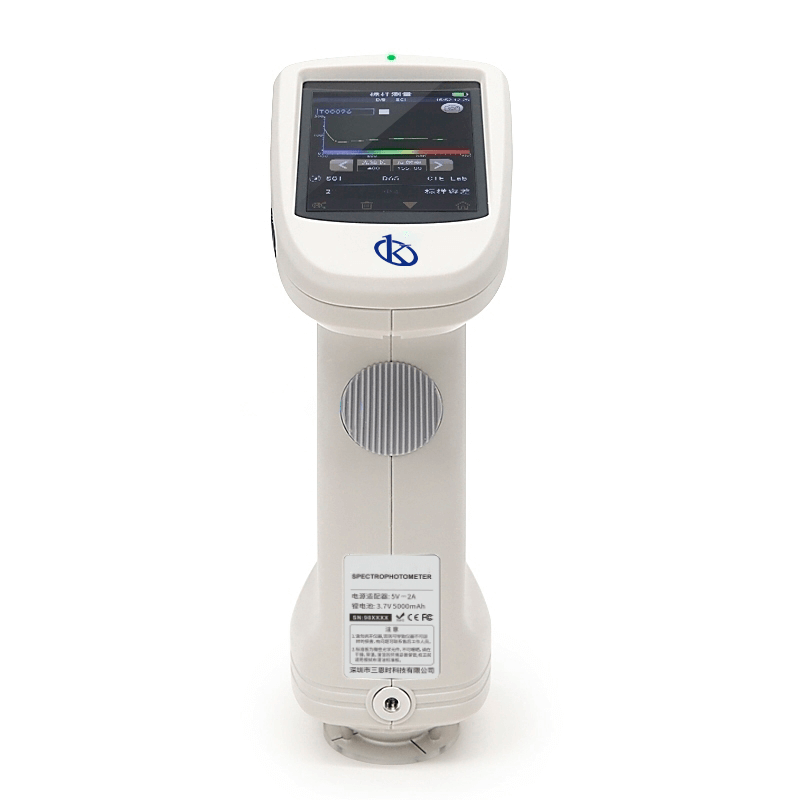
How to Achieve Effective LIMS Integration with Handheld Spectrophotometers
The demand for data integration across laboratory instruments has increased significantly, particularly in the context of handheld spectrophotometers. This article focuses on the integration of these devices with Laboratory Information Management Systems (LIMS), emphasizing how this synergy enhances data flow and operational efficiency in laboratory settings. We will delve into various models of handheld spectrophotometers, discuss their specific features, and how they cater to modern integration needs.
Understanding LIMS Integration in Handheld Spectrophotometers
LIMS integration facilitates seamless data transfer between handheld spectrophotometers and laboratory databases. This integration supports better data management, improves traceability, and enhances the accuracy of results captured during analyses. LIMS can automate many processes, making it essential for laboratories seeking to optimize workflows and reduce manual errors.
Key Features of Handheld Spectrophotometers Relevant to LIMS
When considering handheld spectrophotometers for LIMS integration, certain features are particularly valuable:
- Connectivity Options: Look for models that support various connectivity protocols such as USB, Wi-Fi, or Bluetooth to facilitate integration.
- Data Formats: Ensure the spectrophotometer can output data in formats compatible with LIMS, such as CSV or XML.
- User-Friendly Software: Spectrophotometers should come with intuitive software that allows easy entry and transfer of data.
Comparison of Available Models
| Model | Connectivity | Protocols Supported | Integration Effort | Best For |
|---|---|---|---|---|
| YR05493 | USB, Bluetooth | CSV, XML | Moderate | Textile and Automotive Industries |
| YR05494 | USB, Wi-Fi | CSV, XML | Low | Quality Control in Plastics |
| YR05495 | Bluetooth | CSV | High | General Laboratory Use |
| YR05496 | Wi-Fi, USB | CSV, XML | Moderate | Color Management Studies |
| YR05499 | USB, Bluetooth | CSV | Low | Product Quality Control |
| YR05498 | Wi-Fi | CSV, XML | Moderate | Field Applications |
Common Mistakes and How to Avoid Them
Integrating handheld spectrophotometers with LIMS can be challenging. Here are common mistakes and how to avoid them:
- Incompatible Formats: Ensure your spectrophotometer outputs data in compatible formats with LIMS to prevent data loss.
- Poor Connectivity: Choose models with robust connectivity options to avoid integration delays.
- Neglecting Training: Provide adequate training for users to make the most of the integrated system.
Maximizing Data Flow Through LIMS Integration
Effective LIMS integration can significantly enhance data flow in laboratories using handheld spectrophotometers. This section discusses best practices:
- Implementing Middleware: Utilize middleware to bridge the gaps between spectrophotometers and LIMS to streamline data transmission.
- Automating Data Entry: Automate the data entry process to minimize human error and expedite workflows.
- Regularly Update Software: Keep software up to date to ensure compatibility and security.
Data Management and Compliance Standards
Adhering to compliance standards is vital when integrating handheld spectrophotometers with LIMS. Understanding how each model meets specific standards is crucial:
- ISO 17025: This standard is critical for laboratories, ensuring they operate competently and generate valid results. Models such as YR05494 help fulfill several ISO requirements, including quality assurance.
- Traceability Requirements: Ensure that the spectrophotometers used can provide traceable results, especially in regulated environments.
Frequently Asked Questions
How can I connect a handheld spectrophotometer to my LIMS?
To connect a handheld spectrophotometer to your LIMS, ensure your model supports connectivity options like USB or Wi-Fi. For instance, the YR05494 model can connect via Wi-Fi, facilitating easy data transfer and integration.
What are the key compliance features of YR05495 handheld spectrophotometer?
The YR05495 model complies with ISO 17025 standards, ensuring quality and reliability in laboratory results. It supports data formats that can be integrated into LIMS, enhancing compliance efficiency.
What integration challenges can I expect with a handheld spectrophotometer?
Common integration challenges include connectivity issues, incompatible data formats, and the need for user training. Selecting a model like YR05496 that offers robust connectivity can minimize these issues.
How does the YR05493 help in fulfilling ISO 17025 requirements?
The YR05493 model meets several ISO 17025 requirements through precise measurements and quality control capabilities, essential for maintaining standards in laboratories using LIMS.
What is the average cost of handheld spectrophotometers with LIMS capabilities?
Prices for handheld spectrophotometers vary, with models like the YR05494 priced at approximately $3,180. The investment can lead to significant efficiency gains when integrated with LIMS.
Why should I choose handheld spectrophotometers for color management?
Handheld spectrophotometers like the YR05496 offer precise color analysis and management capabilities, essential for industries ranging from textiles to automotive, and they integrate well with LIMS for data tracking.
What LIMS protocols should I consider for handheld spectrophotometers?
When integrating handheld spectrophotometers, consider protocols like ASTM and CIE standards. Models such as YR05498 comply with these protocols, ensuring efficient data management in your LIMS.
If you are looking for a fusion of innovation and quality, you have come to the right place. At Kalstein, we offer you the luxury of exploring our exclusive catalog of laboratory equipment. We manufacture every device to the highest standards of excellence. Our intuitive and seamless online purchasing channels are designed for your convenience, securing the most competitive prices. Hesitate no longer — we bring science to life, it is time to become part of our community.