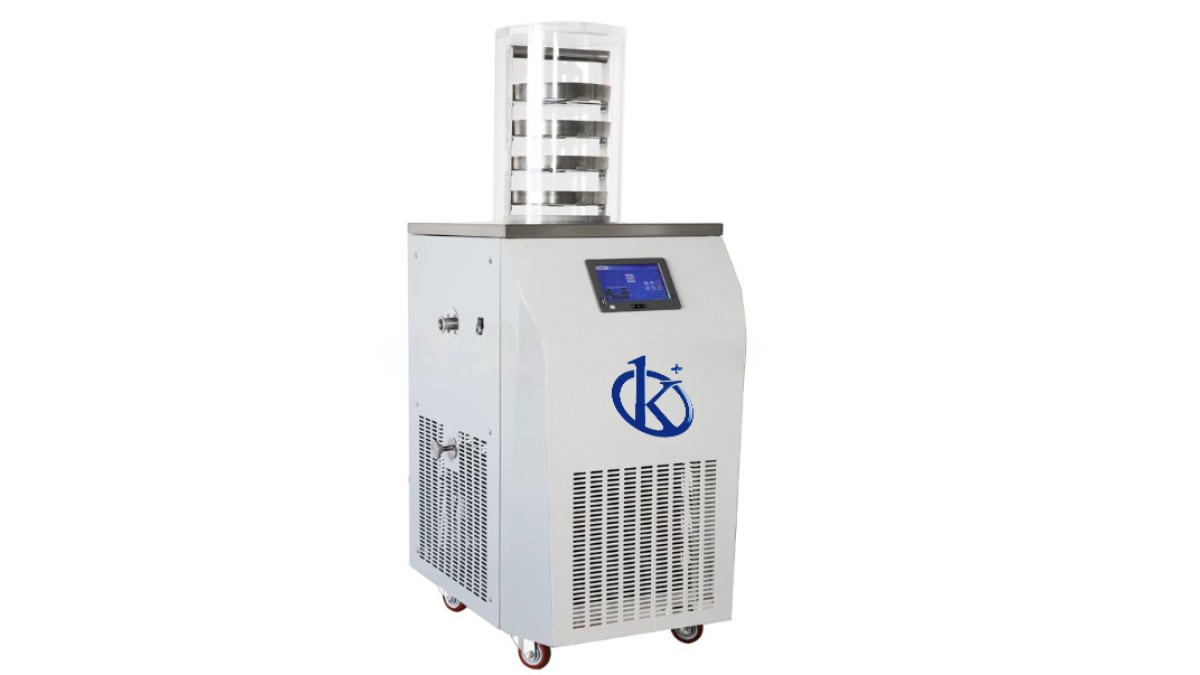
Vertical Laboratory Freeze Dryer: A Practical Step-by-Step Guide for 2026
What is it used for in 2026
In 2026, Vertical Laboratory Freeze Dryers are essential for various laboratory applications, including pharmaceuticals, biotechnology, food preservation, and research. These devices are used to remove moisture from samples without damaging their molecular structure, thereby preserving the integrity and bioactivity of sensitive materials.
Common applications include:
- Lyophilization of biological samples such as proteins, enzymes, and cell cultures.
- Preparation of freeze-dried fruits and vegetables for long-term storage.
- Pharmaceutical formulations, allowing precise control over the drying conditions to maintain drug efficacy.
- Research purposes in academic and industrial laboratories, enabling scientists to study the properties of materials post-drying.
History and evolution of the technology
The technology of freeze drying has its roots in the early 20th century, initially developed for preserving blood plasma. Over decades, advancements in vacuum technology and temperature control have transformed freeze drying into a sophisticated method extensively used in modern laboratories. The introduction of vertical design in freeze dryers permits a more efficient use of space and improved heat transfer during the drying process.
By 2026, manufacturers have implemented smart technology, allowing for remote monitoring and control, thus enhancing usability and efficiency. The integration of automated systems has streamlined the freeze-drying process, reducing the likelihood of human error and ensuring consistent product quality.
How to use it step by step
Operating a Vertical Laboratory Freeze Dryer involves several critical steps:
- Preparation of Samples: Ensure that the samples are appropriately prepared, whether it’s through homogenization or sizing, to facilitate even freeze drying.
- Loading the Dryer: Place the samples onto the trays, ensuring proper spacing for air circulation. Follow the specified loading guidelines related to your model.
- Setting Parameters: Configure the temperature and pressure settings according to the material being processed. Refer to the user manual for specific recommendations for your sample type.
- Starting the Process: Initiate the freeze-drying cycle and monitor the process using the built-in control panel or app interface.
- Post-Processing: After the drying cycle, allow the samples to cool before unloading them to prevent moisture absorption.
- Storage: Store the freeze-dried products in a cool, dry environment to maintain their properties until needed.
Best techniques and protocols
To maximize the efficiency of freeze drying, the following techniques are recommended:
- Pre-Freeze Samples: Pre-freezing samples before placing them in the dryer can significantly reduce drying time.
- Optimize Shelf Temperature: Adjusting the shelf temperature can help control the sublimation rate, impacting the quality of the final product.
- Using Proper Vacuum Levels: Maintaining optimal vacuum levels prevents sample degradation and enhances drying efficiency.
- Regular Calibration: Calibrating the equipment regularly ensures accurate temperature and pressure readings, leading to consistent results.
Practical applications by laboratory type
Different laboratories utilize Vertical Laboratory Freeze Dryers in various ways:
- Pharmaceutical Labs: Used for formulating stable drugs and preserving sensitive biological materials.
- Food Processing Labs: Employed to create lightweight, shelf-stable food products while retaining nutritional value.
- Bioscience Research Labs: Ideal for preserving biological samples for long-term storage and subsequent analysis.
- Chemical Labs: Helpful in drying reactive materials without significant thermal alteration.
Regulations, standards and certifications
In 2026, the use of freeze dryers in regulated environments, such as pharmaceutical manufacturing, requires adherence to strict guidelines:
- FDA Regulations: Compliance with FDA standards for the production of pharmaceuticals.
- ISO Certifications: Many laboratories obtain ISO certifications to ensure quality management and operational efficiency.
- Good Manufacturing Practices (GMP): Essential for maintaining the integrity of the freeze-drying process in pharmaceutical applications.
Comparison with alternative technologies
When considering freeze drying, it is crucial to evaluate its advantages against alternative technologies:
- Spray Drying: Faster but may result in altered product properties due to high temperatures.
- Oven Drying: Easier to operate but can lead to thermal degradation of sensitive compounds.
- Dehydration: More cost-effective but lacks the quality preservation offered by freeze drying.
Comparison of available models
| Model | Best for | Key specs | Recommended use case |
|---|---|---|---|
| YR05198 | Routine laboratory use | 0.18m²/0.27m², 1800w | General lyophilization needs |
| YR05199 | General research | 0.09m², 1800w | Research-oriented freeze drying |
| YR05200 | Advanced applications | 0.18m²/0.27m², 1800w | Complex sample types |
| YR05201 | High-demand laboratories | 0.09m², 1800w | High-volume freeze drying |
| YR05985-1 | Food preservation | 0.7m², 16800w | Fruits and vegetables |
| YR05985-2 | Commercial applications | 1.04m², 21000w | High-capacity food drying |
Common mistakes and how to avoid them
When using Vertical Laboratory Freeze Dryers, some common mistakes include:
- Inadequate Sample Preparation: Always ensure that samples are properly prepared to avoid uneven drying.
- Ignoring Manufacturer Guidelines: Always consult the manual for specific settings and procedures.
- Poor Maintenance: Regular maintenance checks are crucial for optimal operation and longevity of the equipment.
Maintenance, calibration and good practices 2026
To ensure the longevity and efficiency of freeze dryers:
- Routine Cleaning: Clean the vacuum chamber and shelves after each use to prevent contamination.
- Regular Calibration: Implement a calibration schedule for temperature and pressure sensors to ensure accuracy.
- Monitoring Performance: Keep track of the drying cycles and make adjustments as needed based on performance data.
Cost-benefit analysis 2026
Investing in Vertical Laboratory Freeze Dryers can yield significant benefits:
- Reduced Sample Loss: High-quality preservation leads to better research outcomes and less waste.
- Increased Efficiency: Advanced technology reduces drying time, allowing for higher throughput.
- Long-term Savings: Although the initial investment may be high, the long-term benefits in efficiency and quality justify the costs.
Frequently asked questions
What factors should I consider when choosing a freeze dryer?
When selecting a freeze dryer, consider the sample types, drying capacity, and specific features such as temperature control and automation capabilities that meet your laboratory's needs.
How do I know if my samples are adequately freeze dried?
Samples should be dry and lightweight, with no visible moisture. Performing a moisture content test can also help confirm adequate drying.
Can freeze-dried products be rehydrated effectively?
Yes, freeze-dried products can be rehydrated by adding water, usually restoring their original properties if done correctly.
What are common maintenance practices for freeze dryers?
Regular cleaning of the vacuum chamber, calibration of sensors, and performance monitoring are essential maintenance practices to ensure optimal operation.
How does freeze drying compare to other preservation methods?
Freeze drying preserves the structure and composition of materials better than methods such as oven drying or spray drying, which may alter the product's properties due to heat.
What should I do if my freeze dryer is not functioning properly?
If your freeze dryer is malfunctioning, consult the user manual for troubleshooting tips or contact technical support for assistance.
Where can I request a quote for a freeze dryer?
You can request a quote through our official channels, where our team will assist you in finding the right freeze dryer for your needs.
If you are looking for a fusion of innovation and quality, you have come to the right place. At Kalstein, we offer you the luxury of exploring our exclusive catalog of laboratory equipment. We manufacture every device to the highest standards of excellence. Our intuitive and seamless online purchasing channels are designed for your convenience, securing the most competitive prices. Hesitate no longer — we bring science to life, it is time to become part of our community.