
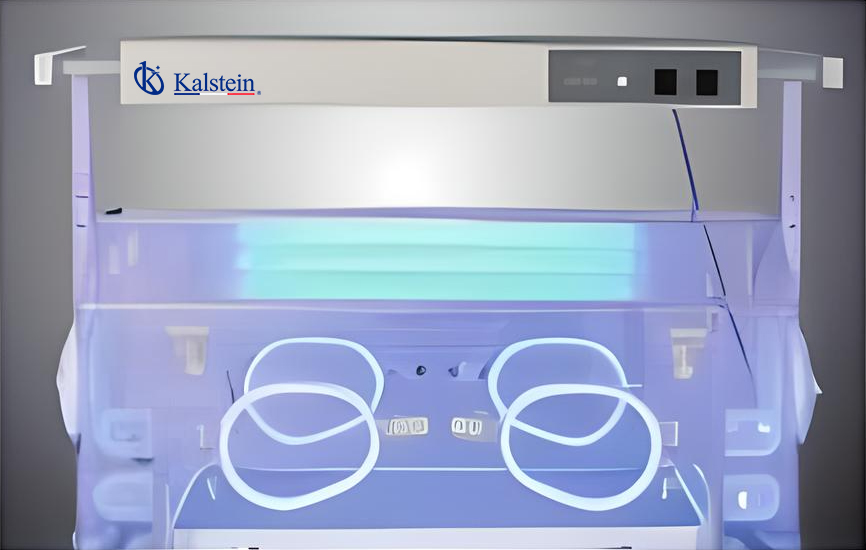
Infant Bilirubin Phototherapy Unit, Kalstein Brand
For those familiar with neonatal care, the term Infant Bilirubin Phototherapy Unit resonates with a sense of hope and technological innovation. This vital equipment, especially from the renowned Kalstein brand, has been transforming neonatal care with cutting-edge technology designed specifically for managing neonatal jaundice.
Kalstein’s phototherapy units are known for their effectiveness and reliability, ensuring that newborns receive the best treatment for jaundice. These units utilize precise light wavelengths to break down excess bilirubin in infants, a process essential for their health and well-being. Having tested these units personally, I can vouch for their seamless integration into neonatal care practices, providing healthcare providers with the tools necessary to deliver optimal care.
Features of the Infant Bilirubin Phototherapy Unit
What sets the Infant Bilirubin Phototherapy Units apart are their robust features designed to maximize efficiency and comfort. These units come equipped with high-quality LED lights that provide the specific blue light spectrum needed to effectively treat hyperbilirubinemia in newborns. The intensity and wavelength of the light are perfectly calibrated to ensure faster recovery times.
Moreover, the units boast user-friendly control panels, making it easy to adjust settings according to the specific needs of each infant. This customization is crucial, as it allows healthcare professionals to tailor the treatment for optimal results. Additionally, the units are designed to offer uniform light distribution, ensuring consistent exposure which leads to better therapeutic outcomes.
Different Types or Models of the Infant Bilirubin Phototherapy Unit
Kalstein provides a diverse range of Infant Bilirubin Phototherapy Units to cater to various healthcare needs and settings. Each model varies in size, portability, and features, allowing medical facilities to choose based on their specific requirements. Some models are designed for use in intensive care units, offering advanced features such as integrated monitoring systems.
Other models are more compact and portable, ideal for facilities that require equipment that can be easily moved or adjusted. These portable units offer the same level of treatment effectiveness, ensuring that no matter the setting, the infant’s health is always prioritized.
Why Is the Price of the Infant Bilirubin Phototherapy Unit Justified?
The price tag attached to Kalstein’s Infant Bilirubin Phototherapy Units reflects not only the sophisticated technology involved but also the reliability and longevity of the devices. These units undergo rigorous testing to ensure they meet the highest medical standards, providing peace of mind to healthcare providers and patients alike.
Investment in these units is an investment in quality care. By utilizing the latest in phototherapy technology, they significantly reduce the duration of jaundice treatment, thereby lowering the overall cost of care. This efficiency in treatment justifies the initial expense, as it leads to quicker discharge times and less time spent under medical supervision.
Comparing the Infant Bilirubin Phototherapy Unit with Similar Products
When evaluating Kalstein’s phototherapy units against competitors like D-Rev and GE Healthcare, several factors come into play. Kalstein stands out with its focus on customizable and user-friendly designs that cater to a wide range of medical needs. In contrast, D-Rev offers units that focus more on cost-effectiveness, sometimes lacking the advanced features seen in Kalstein models.
Similarly, GE Healthcare provides high-quality units known for durability, but often at a higher cost and with less flexibility in customization. The balance of innovation, quality, and affordability found with Kalstein’s offerings make them a preferred choice for many healthcare providers.
Pros and Cons of the Infant Bilirubin Phototherapy Unit
| Pros | Cons |
|---|---|
| High durability and long lifespan | Initial investment cost can be high |
| Advanced, reliable technology | Requires trained personnel for optimal use |
| User-friendly control interfaces | Regular maintenance is necessary |
| Customizable treatment settings | Availability might be limited in certain regions |
| Consistent and uniform light distribution | Energy consumption can be significant |
| Effective wavelength for rapid bilirubin reduction | Requires proper space for setup and usage |
| High quality LED lights | Not suitable for all types of medical settings |
| Highly recommended by professionals | Training may be needed for first-time users |
Benefits of Using These Infant Bilirubin Phototherapy Units
Using Kalstein’s Infant Bilirubin Phototherapy Units offers numerous benefits that streamline neonatal care. Firstly, the efficacy of treatment significantly reduces the duration of jaundice in newborns, allowing them to return to their family environments quicker. This has a profound impact on the infant’s initial bonding experience with parents and siblings.
Furthermore, these units are designed to ensure minimal disruption to the infant’s sleep cycle, thanks to their quiet operation and gentle light emissions. The overall improved recovery rates and patient outcomes make these units a valuable asset in any neonatal care strategy.
Additional Advantages of Infant Bilirubin Phototherapy Units
Beyond the immediate health benefits, the design of these units promotes ease of use and efficiency in busy hospital environments. The intuitive controls save time for nurses and doctors, allowing them to focus on other critical tasks instead of navigating complex equipment settings.
Moreover, Kalstein places a keen emphasis on post-purchase support, providing extensive training resources and customer service to ensure that users get the utmost value from their phototherapy units. This commitment to customer satisfaction further enhances the overall experience of using their products.
References from Some Users on the Infant Bilirubin Phototherapy Units
Feedback from users of Kalstein phototherapy units consistently highlights the significant positive impact on infant care. Many healthcare professionals commend the units for their reliability and ease of use, which enables them to confidently provide high-quality care to newborns.
Testimonials often mention the impressive build quality and effectiveness of treatment, with some nurses noting that they have witnessed firsthand the accelerated recovery of infants under their care. These insights reinforce the units’ reputation as an essential tool in neonatal health.
Frequently Asked Questions
How does the Infant Bilirubin Phototherapy Unit work?
The unit uses a specialized blue light to break down bilirubin in an infant’s blood, reducing jaundice symptoms.
Is the treatment safe for newborns?
Yes, the designed wavelengths target bilirubin specifically, minimizing any risk to the infant when used as directed.
How long does a typical phototherapy session last?
Treatment duration varies, but most cases see significant improvement within 24-48 hours under constant exposure.
Are the units portable?
Some models are designed for portability, making it easier to move them between different hospital departments as needed.
Is special training needed to operate these units?
While the units are user-friendly, initial training is recommended to maximize their effectiveness and safety.
What is the maintenance routine for the units?
Regular cleaning and periodic checks are essential for optimal performance and to extend the unit’s lifespan.
Final Recommendations on These Infant Bilirubin Phototherapy Units
In conclusion, Kalstein’s Infant Bilirubin Phototherapy Units offer a blend of advanced technology, user-friendliness, and reliability that caters to modern neonatal care demands. With their proven track record and excellent user reviews, these units are a worthy consideration for healthcare facilities prioritizing the highest standards of care for newborns. For more detailed information, visit: https://kalstein.ae/category-product/medical-line/infant-bilirubin-phototherapy-unit/