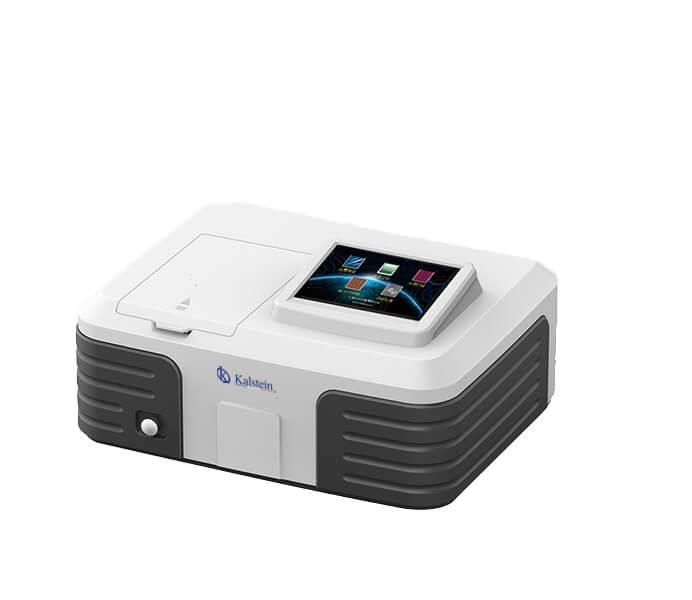
Analyzing ROI and Cost-Benefit for Double Beam Spectrophotometers in Laboratories
In the realm of laboratory equipment, double beam spectrophotometers hold a pivotal role in various analytical applications, from quality control to research and development. Understanding the return on investment (ROI) and conducting a thorough cost-benefit analysis of these instruments is crucial for laboratory managers and decision-makers. This article delves into the financial implications associated with different models while providing a comprehensive analysis of their features and capabilities.
Understanding the Financial Impact of Double Beam Spectrophotometers
Investing in double beam spectrophotometers requires a careful assessment of their cost against the expected benefits. Factors such as initial acquisition cost (CAPEX), operational expenses (OPEX), and the potential for increased throughput influence the overall ROI. The various models available in the market offer distinct advantages that can significantly impact laboratory productivity and efficiency.
Comparison of Available Models
| Model | CAPEX (USD) | Cost per test (USD) | Payback (months) | Recommended scenario |
|---|---|---|---|---|
| YR01858 | 2500.00 | 5.00 | 6 | Basic lab analysis |
| YR01862 | 3150.00 | 4.50 | 5 | Advanced research |
| YR01862-1 | 3550.00 | 4.00 | 4 | Multi-user environments |
| YR01862-2 | 3380.00 | 4.20 | 4.5 | Routine quality control |
| YR01864 | 3080.00 | 4.80 | 6.5 | High-throughput testing |
| YR01865 | 3440.00 | 4.10 | 4 | Standardized methods |
Identifying Key Metrics for Cost-Benefit Analysis
Conducting a cost-benefit analysis involves evaluating specific metrics that contribute to the ROI. Key performance indicators (KPIs) include cost per test, payback period, and expected lifespan of the equipment. Additionally, depreciation and ongoing maintenance costs must be calculated to provide a comprehensive view of the financial landscape. For instance, the YR01862-1 model, with a cost per test of $4.00, can significantly lower overall expenses in a high-volume laboratory.
Capital Expenditure (CAPEX) vs Operational Expenditure (OPEX)
Understanding the relationship between CAPEX and OPEX is vital for laboratory managers. CAPEX refers to the upfront costs associated with purchasing double beam spectrophotometers, while OPEX encompasses ongoing operational costs. For example, the YR01858 model has a CAPEX of $2,500.00, making it an attractive option for labs seeking to minimize initial investments. However, the YR01862-1, with its advanced features, may offer longer-term savings through reduced OPEX.
Evaluating Payback Periods
The payback period is the time it takes for an investment to repay its initial cost through net cash inflows. Calculating this period provides insights into the financial viability of acquiring a double beam spectrophotometer. The YR01862 model, with a payback period of 5 months, represents a favorable option for laboratories needing quick returns on their investments.
Common Mistakes and How to Avoid Them
When evaluating double beam spectrophotometers, laboratories often make common mistakes that can affect ROI. One frequent error is neglecting the total cost of ownership, which includes installation, maintenance, and training costs. Additionally, overlooking the specific application needs of the laboratory can lead to inadequate performance. To prevent these mistakes, laboratories should conduct thorough assessments and consult with experts before making purchases.
Frequently Asked Questions
How much does a double beam spectrophotometer typically cost for laboratories?
The cost of double beam spectrophotometers varies based on features and specifications. For instance, the YR01858 is priced at $2,500.00, making it an economical choice for laboratories, while more advanced models like the YR01862 cost around $3,150.00.
Which factors influence the ROI of double beam spectrophotometers in laboratories?
Factors affecting the ROI include initial purchase price, maintenance costs, operational efficiency, and throughput. For example, the YR01862-1 with a lower cost per test can improve overall ROI by minimizing operational expenditures.
What are the ongoing maintenance costs associated with double beam spectrophotometers?
Ongoing maintenance costs can vary but typically include calibration, software updates, and replacement parts. For example, regular calibration of the YR01864 model ensures its accuracy and reliability, potentially reducing costly errors in testing.
How can I determine the payback period for a specific model of double beam spectrophotometer?
The payback period is calculated by dividing the initial investment by the net cash inflows generated by the instrument. For instance, if the YR01862 generates cash inflows leading to a payback period of 5 months, it indicates a strong investment opportunity.
What should I consider when choosing a double beam spectrophotometer for my laboratory?
When selecting a double beam spectrophotometer, consider the application requirements, initial and ongoing costs, and the expected throughput. Models like the YR01862-1 are ideal for laboratories that need efficient performance for multiple applications.
How can double beam spectrophotometers reduce operational costs in my lab?
Double beam spectrophotometers can reduce operational costs by enhancing throughput and minimizing errors. For instance, the YR01865 model offers advanced software capabilities that streamline testing processes, contributing to lower overall costs.
What is the importance of total cost of ownership in spectrophotometer investments?
Total cost of ownership includes all costs associated with the spectrophotometer throughout its lifecycle. Understanding this helps laboratories budget effectively. For example, the YR01864 model’s low maintenance costs can significantly enhance its value over time.
How can I maximize the ROI on my laboratory's spectrophotometric equipment?
Maximizing ROI can be achieved by selecting the right model based on laboratory needs, maintaining the equipment regularly, and training staff thoroughly. For instance, investing in a model like the YR01862 can provide features that optimize performance and reduce downtime.
If you are looking for a fusion of innovation and quality, you have come to the right place. At Kalstein, we offer you the luxury of exploring our exclusive catalog of laboratory equipment. We manufacture every device to the highest standards of excellence. Our intuitive and seamless online purchasing channels are designed for your convenience, securing the most competitive prices. Hesitate no longer — we bring science to life, it is time to become part of our community.