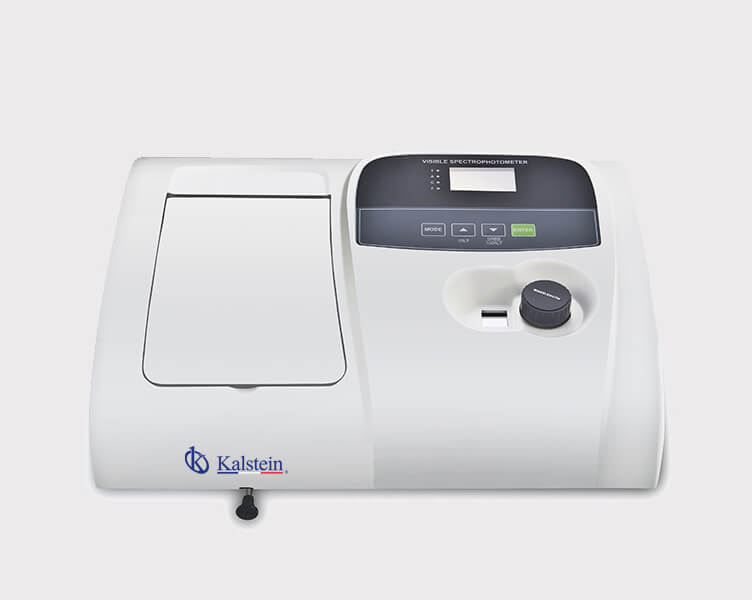
How to Evaluate ROI and Cost-Benefit Analysis for Unique Beam Spectrophotometers
The evaluation of return on investment (ROI) and cost-benefit analysis in laboratory environments is crucial for optimizing operational efficiency and aligning expenditures with desired outcomes. Unique beam spectrophotometers play a significant role in various analytical procedures, thus making them integral to lab operations. This article explores how to effectively assess the ROI and cost-benefit analysis specifically for unique beam spectrophotometers, helping laboratory professionals make informed decisions.
Understanding the Importance of ROI in Laboratory Equipment
Return on Investment (ROI) is a performance measure used to evaluate the efficiency of an investment. In the context of laboratory equipment such as unique beam spectrophotometers, understanding the ROI helps lab managers justify purchases and assess long-term profitability. By calculating the expected gains against the costs incurred, laboratories can optimize their spending and improve overall performance.
Key Metrics for Cost-Benefit Analysis
Cost-benefit analysis (CBA) involves comparing the costs of an investment against its benefits to determine its feasibility and effectiveness. For unique beam spectrophotometers, key metrics include initial capital expenditure (CAPEX), operational expenditure (OPEX), cost per test, and potential revenue generation. Understanding these metrics assists laboratories in making strategic decisions regarding equipment procurement and usage.
Factors Influencing the ROI of Unique Beam Spectrophotometers
Several factors can influence the ROI of unique beam spectrophotometers, including:
- Initial purchase cost
- Maintenance and operation costs
- Throughput capability
- Accuracy and precision in measurements
- Training and operational efficiency of laboratory staff
Evaluating these factors helps in understanding the true value of investing in such equipment.
Breaking Down CAPEX and OPEX for Unique Beam Spectrophotometers
Capital expenditure (CAPEX) includes the initial cost of purchasing unique beam spectrophotometers, while operational expenditure (OPEX) comprises ongoing costs such as maintenance, consumables, and labor. A detailed breakdown of these expenditures is essential for comprehensive ROI analysis. The following table illustrates the typical costs associated with selected models of unique beam spectrophotometers:
| Model | CAPEX (USD) | Cost per Test (USD) | OPEX/Year (USD) | Payback Period (Months) |
|---|---|---|---|---|
| YR01844 | 330.00 | 1.00 | 120.00 | 4.5 |
| YR01845 | 530.00 | 1.50 | 140.00 | 5.0 |
| YR01846 | 690.00 | 1.80 | 160.00 | 6.0 |
| YR01847 | 840.00 | 2.00 | 200.00 | 7.0 |
| YR01850 | 790.00 | 2.00 | 180.00 | 6.5 |
| YR01853 | 1630.00 | 3.00 | 300.00 | 10.0 |
How to Calculate ROI for Unique Beam Spectrophotometers
To calculate ROI, use the formula:
ROI (%) = (Net Profit / Cost of Investment) * 100
Net profit can be derived from the revenue generated through the use of the spectrophotometer minus the total operational costs over a specified period. This calculation can help laboratory managers visualize the financial impact of their equipment choices.
Comparison of Available Models
The following table compares the key specifications and features of various unique beam spectrophotometers available in the market:
| Model | Wavelength Range (nm) | Bandwidth (nm) | Photometric Accuracy | Best For |
|---|---|---|---|---|
| YR01844 | 325-1000 | 4 | ± 0.5% T | Basic laboratory testing |
| YR01845 | 325-1000 | 4 | ± 0.5% T | Standard applications |
| YR01846 | 320-1100 | 2 | ± 0.5 nm | Precision analysis |
| YR01847 | 320-1100 | 2 | ± 0.2% T | Advanced studies |
| YR01850 | 190-1000 | 2 | ± 0.5% T | Specialized applications |
| YR01853 | 190-1100 | 2 | ± 0.2% T | Comprehensive analysis |
Common Mistakes and How to Avoid Them
Laboratories often make several common mistakes regarding ROI and cost-benefit analysis. These include:
- Failing to account for all costs, including hidden expenses.
- Not considering the lifespan of the equipment.
- Overlooking the need for staff training on new equipment.
- Ignoring potential increases in throughput and efficiency.
A thorough and ongoing analysis approach will help mitigate these issues, leading to more informed purchasing decisions.
Frequently Asked Questions
What is the expected ROI from unique beam spectrophotometers in labs?
The expected ROI from unique beam spectrophotometers varies by model and usage. For instance, the YR01844 offers a payback period of approximately 4.5 months, making it a cost-effective option for basic laboratory testing needs.
How do I determine cost per test for unique beam spectrophotometers?
Cost per test can be calculated by dividing total operational costs by the number of tests performed. For example, the YR01845 has a cost per test of $1.50, ensuring budget-conscious decision-making in laboratory environments.
Which unique beam spectrophotometer is best for high-precision applications?
The YR01846 is best suited for high-precision applications, offering a bandwidth of 2 nm and photometric accuracy of ± 0.5 nm, making it invaluable for laboratories requiring stringent measurement standards.
How can operational costs impact the ROI of laboratory spectrophotometers?
Operational costs significantly impact ROI as they affect net profit over time. For instance, the YR01847, with an OPEX of $200 per year, needs to be carefully evaluated against its output to ensure profitable usage.
What role does staff training play in maximizing ROI of spectrophotometers?
Staff training is critical in maximizing ROI, as equipped personnel can utilize the spectrophotometers effectively, reducing operational errors and improving throughput. This is crucial for models like YR01850, which require user expertise for optimal performance.
How does the wavelength range affect the utility of unique beam spectrophotometers?
The wavelength range directly affects the spectrophotometer's versatility and application scope. For example, the YR01853 offers a broad range of 190-1100 nm, allowing it to cater to diverse analytical needs across various laboratory settings.
What are the key benefits of selecting a unique beam spectrophotometer for my lab?
Unique beam spectrophotometers provide various benefits including high accuracy, ease of use, and the ability to perform a wide range of tests. The YR01844 is particularly noted for its user-friendly design and reliability, making it a solid choice for many laboratories.
Conclusion
Understanding the ROI and cost-benefit analysis for unique beam spectrophotometers is crucial for laboratory professionals aiming to optimize their resources. By evaluating the total costs, potential returns, and comparing various models, laboratories can make informed decisions that enhance their operations and ensure efficient use of capital.
If you are looking for a fusion of innovation and quality, you have come to the right place. At Kalstein, we offer you the luxury of exploring our exclusive catalog of laboratory equipment. We manufacture every device to the highest standards of excellence. Our intuitive and seamless online purchasing channels are designed for your convenience, securing the most competitive prices. Hesitate no longer — we bring science to life, it is time to become part of our community.