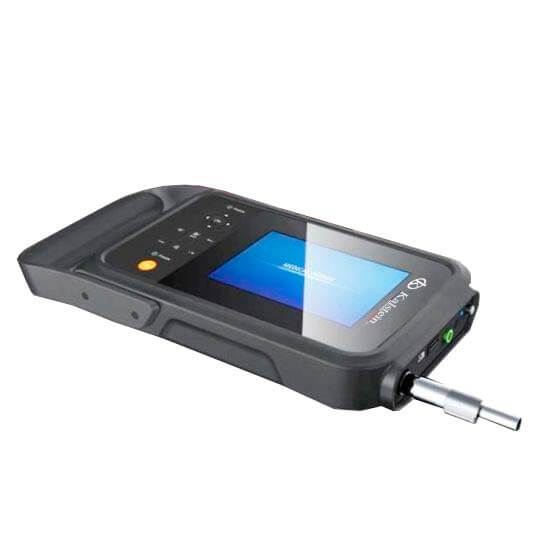
How to Ensure Regulatory Compliance with Ultrasonic Diagnostic Equipment
In the fast-evolving field of laboratory diagnostics, ultrasonic diagnostic equipment plays a crucial role in various applications, including veterinary and obstetric evaluations. However, adhering to regulatory compliance standards such as ISO/IEC is essential for laboratories to maintain operational integrity and ensure the safety and efficacy of their diagnostic practices. This article delves into the various ISO/IEC norms, their implications for ultrasonic diagnostic equipment, and how specific models align with these standards.
Understanding ISO/IEC Norms Relevant to Ultrasonic Diagnostic Equipment
The ISO (International Organization for Standardization) and IEC (International Electrotechnical Commission) set forth guidelines to ensure equipment quality and safety in clinical environments. Key standards include ISO 17025 for testing and calibration laboratories, ISO 15189 for medical laboratories, and IEC 61010 for the safety requirements of electrical equipment. Each standard addresses different aspects of compliance, from operational protocols to equipment safety, and plays a significant role in the use of ultrasonic diagnostic equipment.
ISO 17025: Quality Management in Testing Laboratories
ISO 17025 specifies requirements for the competence of testing and calibration laboratories. For ultrasonic diagnostic equipment, compliance with this standard ensures that laboratories produce valid results. Laboratories using models like the Veterinary Ultrasound with Professional Rectal Probe YR05146 benefit from stringent testing protocols that help maintain quality assurance. Key features, such as clear imaging and reliable battery performance, are critical for meeting ISO 17025 requirements.
ISO 15189: Medical Laboratory Standards
ISO 15189 outlines quality management systems specific to medical laboratories, focusing on the entire testing process. This includes ensuring that equipment like the 3D4D Obstetric Ultrasound GYN YR05147 meets specified performance criteria. Such compliance guarantees that diagnostic results are reliable and reproducible, which is essential for patient safety and healthcare outcomes.
IEC 61010: Safety in Electrical Equipment
IEC 61010 provides safety requirements for electrical equipment used in medical laboratories. This is particularly important for ultrasonic diagnostic equipment, which often involves electrical components. Compliance with IEC 61010 is evident in models like the One convex probe and ultrasound software YR05154, ensuring safe operation for both the operator and patients.
Documentation Requirements for Compliance
Documentation is a critical aspect of regulatory compliance. Laboratories must maintain accurate records of equipment calibration, maintenance, and performance evaluations. Compliance with ISO 17025 requires a robust documentation system to track the performance of ultrasonic diagnostic equipment. This includes maintaining records of each model's operational history, which can be facilitated by the software integrated into models such as the SUN-P1 and Tablet YR05154-1, providing a digital footprint of performance metrics.
Traceability and Its Importance
Traceability ensures that results from ultrasonic diagnostic equipment can be linked back to recognized reference standards. This is critical for compliance with ISO 17025 and ISO 15189. Laboratories must establish traceability protocols for each model in use, ensuring that measurements and results can be validated against these standards. Models like the One linear probe and ultrasound software YR05155 provide features that assist in maintaining traceable records through their integrated software systems.
Comparison of Available Models
| Model | ISO/IEC Clauses Covered | Traceability Features | Best For |
|---|---|---|---|
| YR05146 | ISO 17025, ISO 15189 | USB connection for data transfer | Veterinary diagnostics |
| YR05147 | ISO 15189 | Integrated reporting features | Obstetrics and gynecology |
| YR05154 | IEC 61010 | Software for result documentation | General diagnostics |
| YR05154-1 | IEC 61010 | Real-time data monitoring | Portable diagnostics |
| YR05155 | ISO 17025 | Digital storage for traceability | Specialized diagnostics |
| YR05155-1 | IEC 61010 | Connectivity for external devices | Mobile diagnostic applications |
Common Mistakes and How to Avoid Them
Many laboratories overlook the importance of training personnel on compliance standards. This can lead to improper use of ultrasonic diagnostic equipment, compromising the integrity of results. It's crucial to implement regular training sessions focused on ISO/IEC standards and the specific features of each model. Additionally, failing to maintain consistent maintenance records can hinder compliance efforts. Establishing a systematic approach to documentation and maintenance can avert these issues.
Frequently Asked Questions
How does ISO 17025 compliance affect ultrasonic diagnostic equipment performance?
ISO 17025 compliance ensures that ultrasonic diagnostic equipment like the Veterinary Ultrasound with Professional Rectal Probe YR05146 meets high-quality standards, thereby enhancing its performance and reliability in testing environments.
Which ISO standards are crucial for ultrasonic diagnostic equipment in laboratories?
ISO 17025 and ISO 15189 are crucial for ultrasonic diagnostic equipment, ensuring that laboratories maintain quality management systems and produce reliable diagnostic results, particularly utilizing models like the 3D4D Obstetric Ultrasound GYN YR05147.
What are the traceability requirements for ultrasonic diagnostic equipment?
Traceability for ultrasonic diagnostic equipment involves ensuring results can be linked back to recognized standards, which is essential for compliance with ISO 17025. Models like the One convex probe and ultrasound software YR05154 assist in maintaining these traceable records through integrated documentation features.
How often should ultrasonic diagnostic equipment be calibrated for compliance?
Calibration frequency for ultrasonic diagnostic equipment should align with guidelines set forth in ISO 17025. It is recommended to calibrate devices like the One linear probe and ultrasound software YR05155 annually, or more frequently based on usage intensity and manufacturer recommendations.
What role does documentation play in ultrasonic diagnostic equipment compliance?
Documentation plays a pivotal role in compliance, ensuring that all operational protocols and performance metrics are recorded accurately for models like the SUN-P1 and Tablet YR05154-1 to maintain adherence to ISO 17025 and ISO 15189.
Which model offers the best integration for compliance tracking?
The 3D4D Obstetric Ultrasound GYN YR05147 offers excellent integration for compliance tracking, with its built-in reporting features aiding in maintaining adherence to ISO standards and facilitating easier audits.
How can laboratories ensure continuous compliance with ultrasonic diagnostic equipment?
To ensure continuous compliance, laboratories should implement regular training on ISO standards, maintain accurate documentation for models like the Veterinary Ultrasound with Professional Rectal Probe YR05146, and establish a systematic maintenance schedule to uphold compliance standards.
What are the implications of non-compliance for ultrasonic diagnostic equipment?
Non-compliance with ISO/IEC standards can lead to legal repercussions, decreased operational effectiveness, and compromised patient safety. Utilizing compliant models like the One linear probe and ultrasound software YR05155 mitigates these risks by ensuring adherence to necessary regulations.
If you are looking for a fusion of innovation and quality, you have come to the right place. At Kalstein, we offer you the luxury of exploring our exclusive catalog of laboratory equipment. We manufacture every device to the highest standards of excellence. Our intuitive and seamless online purchasing channels are designed for your convenience, securing the most competitive prices. Hesitate no longer — we bring science to life, it is time to become part of our community.