Regulatory Compliance and ISO/IEC Standards for Micro-Spectrophotometers in Laboratories
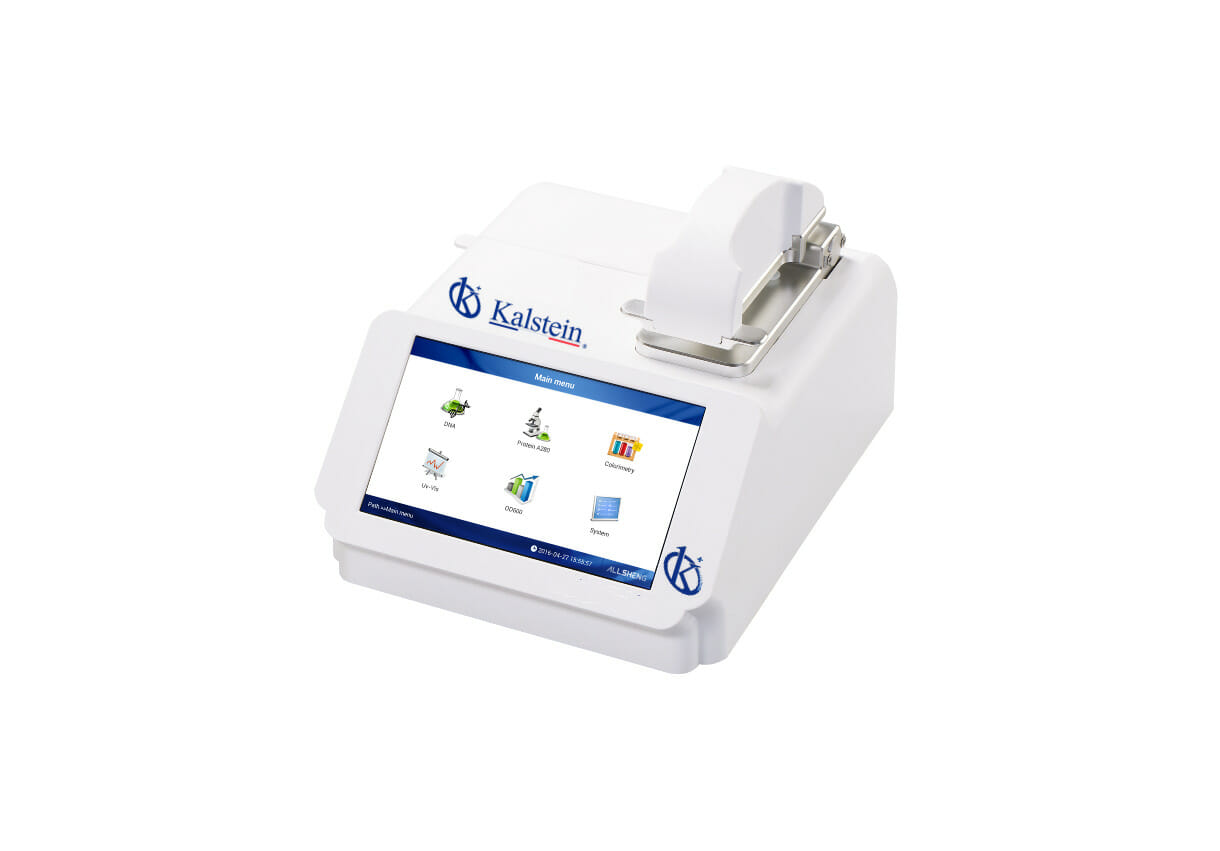
Micro-spectrophotometers are critical instruments in laboratory settings, particularly for analyzing nucleic acids and proteins. As laboratories strive for compliance with ISO/IEC standards, understanding how these instruments fit within regulatory frameworks is essential. This article will explore the various ISO and IEC standards applicable to micro-spectrophotometers, discuss the models available in the market, and provide insights on ensuring compliance and maximizing operational efficiency.
Understanding ISO/IEC Standards in Laboratory Settings
The ISO (International Organization for Standardization) and IEC (International Electrotechnical Commission) set forth standards that ensure quality, safety, and efficiency in laboratory equipment. For micro-spectrophotometers, the most pertinent standards include:
- ISO 17025: This standard focuses on the competence of testing and calibration laboratories. It sets requirements for establishing and maintaining a quality management system.
- IEC 61010: This standard pertains to safety requirements for electrical equipment used in measurement, control, and laboratory environments.
- ISO 15189: Specifically aimed at medical laboratories, this standard outlines the requirements for quality and competence in laboratory services.
Understanding these standards is crucial for laboratories that utilize micro-spectrophotometers to ensure compliance and maintain high operational standards.
Comparison of Available Models
| Model | ISO/IEC Clauses Covered | Traceability Features | Best For |
|---|---|---|---|
| YR06033-1 | ISO 17025, IEC 61010 | Built-in calibration checks | Nucleic acid analysis |
| YR06034 | ISO 15189 | Real-time monitoring | RNA/ DNA purity assessment |
| YR06035 | ISO 17025 | Automated traceability | Microbiology applications |
| YR06033 | ISO 17025, IEC 61010 | Integrated diagnostic features | General laboratory use |
How Micro-Spectrophotometers Facilitate Compliance with ISO/IEC Standards
Micro-spectrophotometers play a pivotal role in adhering to ISO/IEC standards by enabling high-precision measurements and ensuring the quality of laboratory processes. Key features include:
- Precision: Instruments like the YR06033-1 and YR06035 provide precise absorbance measurements, essential for validating results against ISO criteria.
- Traceability: Advanced models offer automated traceability, allowing for effortless documentation and compliance verification, crucial for audits.
- User-Friendly Interfaces: Devices equipped with touch-screen interfaces streamline operation, reducing training time and enhancing compliance adherence.
Steps for Ensuring ISO/IEC Compliance in Laboratory Operations
Achieving compliance with ISO/IEC standards involves several systematic steps:
- Familiarization with Standards: Laboratory personnel should be well-versed in relevant ISO/IEC standards.
- Regular Calibration: Instruments should undergo regular calibration to assure measurement accuracy, particularly for micro-spectrophotometers.
- Documentation: Maintaining meticulous records of all tests and calibrations aids in compliance verification during audits.
Implementing these steps can significantly enhance a laboratory's compliance posture and operational efficiency.
Common Mistakes and How to Avoid Them
Many laboratories face challenges in maintaining compliance with ISO/IEC standards. Common mistakes include:
- Neglecting Regular Calibration: Failing to calibrate instruments like the YR06034 can lead to inaccurate results, jeopardizing compliance.
- Poor Documentation Practices: Insufficient records can hinder compliance verification. Maintaining a digital log for models such as the YR06035 can prevent this issue.
- Lack of Staff Training: Inadequate training on ISO/IEC compliance can lead to operational errors. Regular staff training sessions should be instituted.
Addressing these mistakes can enhance compliance and operational efficiency in laboratories.
Benefits of Micro-Spectrophotometers in Meeting Regulatory Standards
Micro-spectrophotometers not only support compliance but also improve laboratory productivity. Benefits include:
- Efficiency: With rapid measurement capabilities, devices like the YR06033 enable higher throughput in nucleic acid analysis.
- Cost-Effectiveness: By reducing reagent consumption, laboratories can lower operational costs while adhering to regulations.
- Enhanced Reliability: Consistent performance ensures that laboratories can trust results for both compliance and practical applications.
Frequently Asked Questions
What ISO standards should laboratories consider when using micro-spectrophotometers?
Laboratories should consider ISO 17025 for testing and calibration, ISO 15189 for medical laboratories, and IEC 61010 for electrical safety. Instruments like the YR06033-1 are designed to meet these standards, ensuring quality and competence.
How do micro-spectrophotometers ensure compliance with IEC 61010 standards?
Micro-spectrophotometers such as the YR06034 comply with IEC 61010 standards by integrating safety features that protect operators and ensure the safety of electrical components in laboratory environments.
Which micro-spectrophotometer model is best for ISO 17025 compliance?
The YR06035 is ideal for ISO 17025 compliance as it offers precise measurements, automated traceability, and comprehensive documentation capabilities, making it suitable for rigorous laboratory environments.
What are the calibration requirements for micro-spectrophotometers under ISO standards?
According to ISO standards, micro-spectrophotometers must be calibrated regularly, at least annually or before critical measurements, to ensure accuracy. Models like the YR06033 provide automated calibration checks to facilitate compliance.
How can laboratories reduce energy consumption while ensuring compliance with ISO standards?
Laboratories can reduce energy consumption by using energy-efficient models such as the YR06034, which minimize reagent usage and operate with low power requirements, maintaining compliance with ISO energy standards.
What is the importance of documentation in ISO/IEC compliance for micro-spectrophotometers?
Documentation is crucial for ISO/IEC compliance as it provides evidence of testing, calibration, and operational practices. Maintaining detailed records on devices like the YR06035 ensures transparency during audits.
How does traceability in micro-spectrophotometers support ISO compliance?
Traceability in micro-spectrophotometers, such as with the YR06033-1, supports ISO compliance by ensuring that measurements are referenced to recognized standards, facilitating verification of results and adherence to regulatory requirements.
What role does training play in maintaining ISO/IEC compliance in laboratories?
Training ensures that laboratory personnel are knowledgeable about operational procedures and compliance requirements. Regular training sessions can significantly enhance compliance with ISO/IEC standards in the use of micro-spectrophotometers.
If you are looking for a fusion of innovation and quality, you have come to the right place. At Kalstein, we offer you the luxury of exploring our exclusive catalog of laboratory equipment. We manufacture every device to the highest standards of excellence. Our intuitive and seamless online purchasing channels are designed for your convenience, securing the most competitive prices. Hesitate no longer — we bring science to life, it is time to become part of our community.