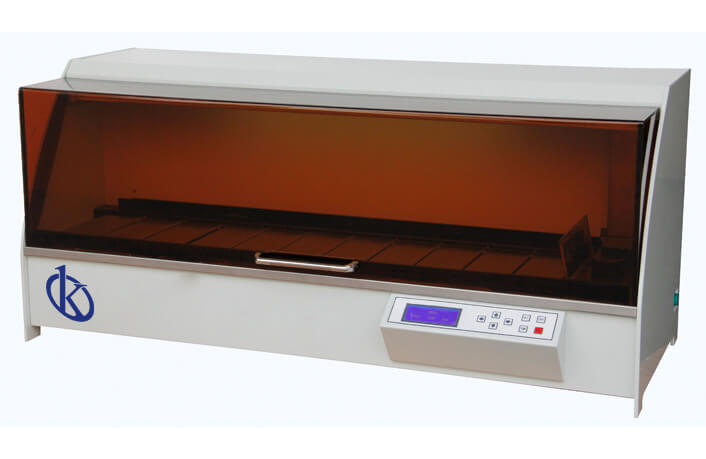
The Importance of Predictive Maintenance and Periodic Calibration in Tissue Processors
In the ever-evolving landscape of laboratory operations, especially within pathological anatomy, predictive maintenance and periodic calibration play crucial roles. Specifically, tissue processors, vital for histological studies, require precision and reliability to ensure high-quality specimen processing. This article delves into how predictive maintenance strategies can optimize operations while ensuring that periodic calibration meets industry standards and enhances performance.
Understanding Predictive Maintenance in Tissue Processors
Predictive maintenance is formulated to foresee equipment failures before they occur, allowing laboratories to address issues proactively. This maintenance strategy is particularly significant for tissue processors, as unexpected downtimes can lead to delays in specimen processing and potentially compromise the quality of histological results.
Implementing predictive maintenance involves analyzing data from equipment sensors, historical performance, and failure patterns. By developing maintenance schedules based on real-time data, laboratories can extend the lifespan of their tissue processors, reduce overall downtime, and maintain the integrity of the specimens processed.
Periodic Calibration: Why It Matters
Calibration is essential for ensuring that the tissue processor operates within the specified parameters, crucial for achieving accurate results. Periodic calibration involves adjusting the equipment to adhere to defined standards, thus ensuring that the measurements taken are accurate and reliable.
In the context of tissue processors, periodic calibration must focus on temperature controls, timing mechanisms, and reagent volumes. The efficacy of calibration depends significantly on adherence to manufacturer recommendations and industry standards such as ISO 17025.
Key Calibration Metrics for Tissue Processors
Calibration must address several key performance metrics to ensure optimal operation of tissue processors:
- Temperature Accuracy: Adherence to the desired temperature range is critical, typically maintained within ±1℃.
- Processing Time: Timers must be verified to ensure precision in reagent processing duration.
- Agitation Frequency: The agitation settings should be calibrated to avoid tissue damage or inadequate reagent interaction.
Comparison of Available Models
| Model | Temperature Control Accuracy | Processing Capacity | Agitation Frequency | Price (USD) |
|---|---|---|---|---|
| YR431-1 | ±1℃ | 2000 ml per cup | 0 – 6 times/minute | 11000.00 |
| YR436-2 | N/A | N/A | N/A | 4400.00 |
| YR427 | ±1℃ | 700 ml per cup | 2 times/minute | 2600.00 |
| YR428 | ±1℃ | 1000 ml per cup | N/A | 2900.00 |
| YR429 | ±1℃ | 1500 ml per cup | 0 – 6 times/minute | 3300.00 |
| YR431 | ±1℃ | 2000 ml per cup | 0 – 6 times/minute | 4000.00 |
How to Implement Predictive Maintenance and Calibration
To successfully implement predictive maintenance and periodic calibration in tissue processors, laboratories should follow a structured approach:
- Data Monitoring: Utilize sensor data and maintenance logs to track equipment performance.
- Calibration Schedule: Establish a routine calibration schedule based on operational hours and usage frequency.
- Training: Ensure that laboratory staff are trained in both the operation and maintenance of the tissue processors.
Common Mistakes and How to Avoid Them
Laboratories often make several mistakes when it comes to maintenance and calibration:
- Neglecting Regular Checks: Regular maintenance checks can prevent larger issues. Laboratories should establish a routine.
- Ignoring Manufacturer Guidelines: Always follow the calibration specifications provided by the manufacturer.
- Failing to Document Procedures: Documenting maintenance and calibration procedures helps in auditing and compliance.
Frequently Asked Questions
What is the role of predictive maintenance in tissue processors?
Predictive maintenance helps anticipate failures in tissue processors like the YR431, minimizing downtime and ensuring high-quality histology results. By analyzing operational data, labs can determine the best times for maintenance.
How often should tissue processors be calibrated?
Tissue processors should be calibrated periodically, typically every 6 months, to ensure precision in temperature control and processing times. Models like the YR429 require adherence to these schedules to maintain accuracy.
Which tissue processor has the best temperature control accuracy?
The YR431-1 model offers ±1℃ temperature control accuracy, making it an excellent choice for laboratories that prioritize precision in histological processing.
What are the benefits of periodic calibration for tissue processors?
Periodic calibration ensures that models like the YR427 operate within desired parameters, leading to better specimen quality and compliance with standards such as ISO 17025.
How can predictive maintenance reduce operational costs in tissue processing?
By implementing predictive maintenance, labs can reduce unexpected failures and downtime associated with models like the YR436-2, resulting in lower operational costs and enhanced productivity.
What key metrics should I track for tissue processor calibration?
For effective calibration, key metrics include temperature accuracy, processing time, and agitation frequency. Regular checks on these parameters help maintain the performance of models such as the YR428.
How does the choice of tissue processor affect maintenance needs?
The choice of tissue processor can significantly affect maintenance needs. For instance, the YR429's advanced features may require more specific calibration protocols to ensure optimal performance.
What is the impact of neglecting predictive maintenance in laboratories?
Neglecting predictive maintenance can lead to increased downtime and costly repairs, ultimately compromising the quality of histological results obtained from tissue processors such as the YR431.
If you are looking for a fusion of innovation and quality, you have come to the right place. At Kalstein, we offer you the luxury of exploring our exclusive catalog of laboratory equipment. We manufacture every device to the highest standards of excellence. Our intuitive and seamless online purchasing channels are designed for your convenience, securing the most competitive prices. Hesitate no longer — we bring science to life, it is time to become part of our community.