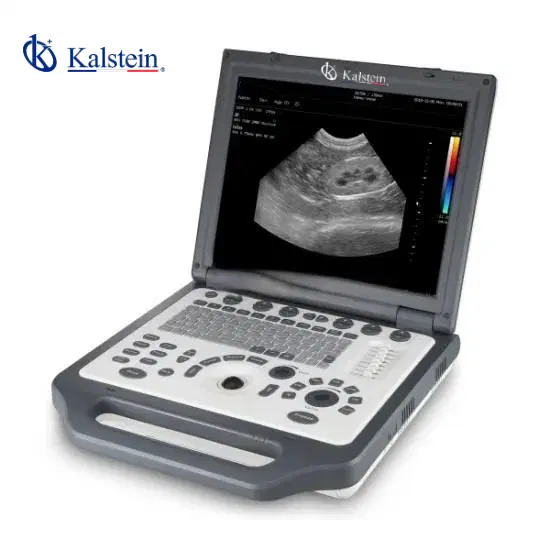
Predictive Maintenance and Recommended Calibration for Veterinary Color Doppler Systems
In veterinary medicine, the use of advanced imaging techniques such as Color Doppler ultrasound has revolutionized diagnostics. However, to maintain the reliability and accuracy of these devices, it is crucial to implement predictive maintenance and regular calibration. This article delves into the significance of these practices specifically for Veterinary Color Doppler systems, analyzing different models and their suitability in various clinical environments.
Understanding Predictive Maintenance in Veterinary Color Doppler Systems
Predictive maintenance involves the use of data analysis tools and techniques to detect anomalies in equipment operation and possible defects in equipment before they lead to failure. For Veterinary Color Doppler systems, such maintenance ensures that the devices remain operational and provide accurate diagnostic results. Implementing a predictive maintenance schedule can significantly reduce downtime and enhance the lifespan of the equipment.
Recommended Calibration Practices for Veterinary Color Doppler Devices
Calibration is essential for ensuring that Veterinary Color Doppler systems produce accurate images and measurements. Regular calibration can help in adhering to standards such as ISO 17025, minimizing errors that may lead to misdiagnosis. Each model can have unique calibration requirements, making it critical for veterinary professionals to follow manufacturer guidelines closely and establish a routine calibration schedule.
Alignment with Industry Standards
Maintaining compliance with industry standards like ISO 17025 provides not only a framework for calibration but also enhances the credibility of veterinary practices. This standard outlines the requirements for the competence of testing and calibration laboratories, ensuring that all measurements are traceable and reliable. Each Veterinary Color Doppler model can help facilitate compliance through built-in features designed to support adherence to these standards.
Comparison of Available Models
| Model | Calibration Features | Predictive Maintenance Capability | Best For |
|---|---|---|---|
| YR06139 | High-resolution display for accurate readings | eSpeed optimization for real-time diagnostics | Field use in diverse animal species |
| YR06140 | Dynamic focus imaging for calibration checks | Advanced software for predictive analytics | Clinical settings requiring detailed analysis |
| YR06141 | Touch screen for easy calibration adjustments | Integrated management system for maintenance tracking | Large veterinary practices with varied needs |
Common Mistakes and How to Avoid Them
One common mistake in maintaining Veterinary Color Doppler systems is neglecting regular calibration schedules. Many veterinary professionals may overlook this necessity due to busy schedules. Ensuring that a maintenance calendar is established can help avoid issues related to downtime and misdiagnosis. Another mistake is failing to utilize the available predictive maintenance features that come with modern devices such as the YR06140, which can analyze performance data to predict failures before they occur.
Benefits of Predictive Maintenance and Calibration
Implementing a predictive maintenance strategy alongside regular calibration provides several benefits for veterinary practices. These include increased equipment uptime, improved accuracy in diagnostics, and extended equipment lifespans. Additionally, investing in predictive maintenance technologies can result in lower long-term costs by reducing the frequency of repairs and the need for replacement equipment.
How to Create an Effective Calibration Schedule
Developing an effective calibration schedule begins with understanding the manufacturer’s recommendations and the specific operating environment of the Veterinary Color Doppler system. Factors such as usage frequency, environmental conditions, and the type of animals being treated can influence the calibration frequency. Establishing a log for calibration events and predictive maintenance checks can enhance accountability and traceability, aligning with ISO standards.
Frequently Asked Questions
What are the key calibration requirements for Veterinary Color Doppler systems?
Key calibration requirements for Veterinary Color Doppler systems include adherence to ISO 17025 standards, ensuring that all measurements are traceable, and performing regular adjustments to maintain accurate readings. Devices like the YR06140 offer built-in tools for these calibration tasks.
How can predictive maintenance reduce costs in veterinary practices?
Predictive maintenance can reduce costs by minimizing downtime, avoiding unnecessary repairs, and extending the lifespan of equipment. For instance, utilizing the predictive features of the YR06141 can help practices anticipate issues before they lead to costly failures.
How often should Veterinary Color Doppler systems be calibrated?
Calibration frequency can vary based on usage and manufacturer recommendations, but a general guideline is to calibrate at least annually. High-use systems might require more frequent checks, ensuring reliable performance and compliance with ISO standards.
Which Veterinary Color Doppler systems are best for mobile use?
The YR06139, with its lightweight design and high-resolution monitor, is particularly suited for mobile use in various veterinary settings. Its portability ensures that veterinarians can perform diagnostics on-site, maintaining accuracy through proper calibration.
How does predictive maintenance enhance the accuracy of veterinary diagnostics?
Predictive maintenance enhances accuracy by identifying potential issues before they affect performance. Regularly using systems like the YR06140 allows for ongoing assessments and adjustments, ensuring optimal image quality during diagnostics.
What features in Veterinary Color Doppler systems support compliance with industry standards?
Features such as built-in calibration tools, data management software, and compatibility with DICOM protocols in models like the YR06141 support compliance with industry standards like ISO 17025, ensuring accurate and traceable results.
How can I track maintenance for multiple Veterinary Color Doppler devices?
Using a centralized management system, such as that available with the YR06140, allows veterinary practices to track maintenance schedules, calibration dates, and performance metrics for multiple devices, facilitating efficient operations.
What are the advantages of a touchscreen interface in Veterinary Color Doppler devices?
A touchscreen interface, such as that in the YR06141, enables easier navigation and faster adjustments during calibration, improving workflow efficiency and allowing veterinary professionals to quickly make necessary changes to settings.
If you are looking for a fusion of innovation and quality, you have come to the right place. At Kalstein, we offer you the luxury of exploring our exclusive catalog of laboratory equipment. We manufacture every device to the highest standards of excellence. Our intuitive and seamless online purchasing channels are designed for your convenience, securing the most competitive prices. Hesitate no longer — we bring science to life, it is time to become part of our community.