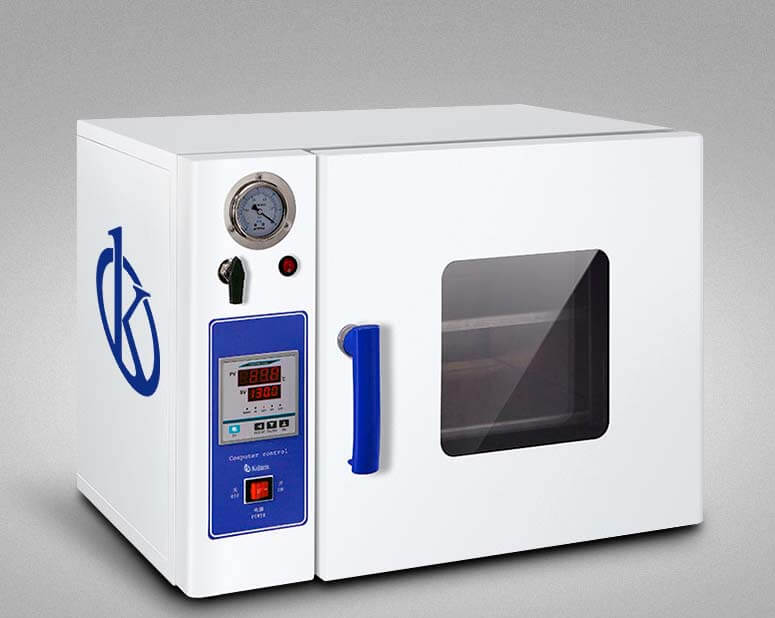
Predictive Maintenance and Recommended Calibration for Vacuum Ovens
Vacuum ovens are essential tools in various laboratory applications, particularly in fields such as biochemistry, pharmaceuticals, and environmental science. Ensuring their optimal performance through predictive maintenance and regular calibration is crucial for achieving accurate and reliable results. This article delves into the significance of these practices, providing insights into how they can enhance the longevity and reliability of vacuum ovens.
Understanding Vacuum Ovens and Their Applications
Vacuum ovens are designed to dry and dehydrate sensitive materials without exposing them to high temperatures that could cause degradation. They operate under reduced pressure, allowing for a lower boiling point of solvents and moisture, which is critical in applications involving heat-sensitive materials. Commonly found in laboratories, they serve various purposes, including:
- Drying powders and granules.
- Sterilizing glassware and other equipment.
- Dehydrating agricultural samples.
- Conducting research in environmental and health-related fields.
Importance of Predictive Maintenance
Predictive maintenance involves monitoring the condition of vacuum ovens to prevent unexpected failures. This proactive approach not only enhances equipment reliability but also reduces downtime and maintenance costs. Regularly assessing key performance indicators (KPIs) such as Mean Time Between Failures (MTBF) and Mean Time To Repair (MTTR) is essential for implementing an effective maintenance strategy. By utilizing data from operational sensors, laboratories can anticipate necessary repairs before they disrupt operations.
Recommended Calibration Practices
Calibration is vital for ensuring that vacuum ovens operate within specified temperature and pressure ranges. Regular calibration helps maintain compliance with international standards and ensures the accuracy of experimental results. The recommended calibration intervals for vacuum ovens typically range from three to six months, depending on usage frequency and application requirements. Establishing a calibration plan that includes:
- Verification of temperature accuracy.
- Assessment of vacuum integrity.
- Documentation of calibration results.
Comparison of Available Models
| Model Code | Temperature Range (°C) | Vacuum Level (Pa) | Interior Size (mm) | Best For |
|---|---|---|---|---|
| YR05260-A | RT + 5 ~ 250 | < 133 | 28 x 30 x 30 | Drying sensitive materials |
| YR05261-A | RT + 5 ~ 250 | < 133 | 40 x 41.5 x 35 | Research applications |
| YR05262-SS | RT + 5 ~ 250 | < 133 | 28 x 30 x 30 | Pharmaceuticals |
| YR05263-SS | RT + 5 ~ 250 | < 133 | 40 x 41.5 x 35 | Environmental science |
| YR05264-A | RT + 5 ~ 250 | < 133 | 44 x 48.5 x 42.5 | Complex materials |
| YR05265-SS | RT + 5 ~ 250 | < 133 | 44 x 48.5 x 42.5 | General laboratory use |
Common Mistakes and How to Avoid Them
Laboratories often encounter several common pitfalls regarding predictive maintenance and calibration of vacuum ovens. Here are some mistakes to avoid:
- Neglecting Regular Maintenance: Consistent monitoring and maintenance should not be overlooked. Establish a schedule to check for wear and tear.
- Inadequate Documentation: Failing to maintain accurate records of calibration and maintenance can lead to compliance issues. Always document every procedure.
- Ignoring Manufacturer Recommendations: Ensure that all maintenance and calibration practices adhere to the manufacturer's guidelines for optimal performance.
Frequently Asked Questions
How often should vacuum ovens be calibrated for optimal performance?
Vacuum ovens should ideally be calibrated every three to six months to ensure consistent performance and adherence to industry standards. Models like the YR05260-A and YR05261-A are designed to handle sensitive materials, making regular calibration essential for accuracy.
What are the benefits of predictive maintenance for vacuum ovens?
Predictive maintenance helps in anticipating potential failures, thus minimizing downtime and repair costs. Using models like the YR05262-SS, laboratories can monitor performance indicators to schedule maintenance effectively, ensuring uninterrupted operations.
Which vacuum oven model is best for drying heat-sensitive materials?
The YR05260-A model is specifically designed for drying heat-sensitive materials efficiently. Its precise temperature control and low vacuum level make it an excellent choice for applications requiring delicate handling.
How does calibration affect the accuracy of vacuum ovens?
Calibration ensures that the temperature and vacuum levels are maintained within specified limits, directly impacting the accuracy of results. Regular checks on models like YR05263-SS ensure compliance with industry standards and reliable outcomes.
What should I include in a calibration plan for vacuum ovens?
A calibration plan should include verification of temperature accuracy, vacuum integrity checks, and documentation of results. Utilizing models such as the YR05264-A can facilitate accurate and efficient calibration processes.
How can I reduce maintenance costs for vacuum ovens?
Implementing predictive maintenance strategies can significantly reduce long-term costs by preventing unexpected breakdowns. Tracking the performance of models like the YR05265-SS allows for timely interventions that save money on repairs.
What standards should vacuum ovens comply with for laboratory use?
Vacuum ovens should comply with relevant ISO and IEC standards, ensuring safety and performance reliability. Models like YR05262-SS are designed with these standards in mind, facilitating compliance in laboratory environments.
Which factors affect the lifespan of a vacuum oven?
Factors such as frequency of use, maintenance practices, and calibration intervals significantly affect the lifespan of a vacuum oven. Regular checks on models like YR05261-A can help identify issues early, extending their operational life.
If you are looking for a fusion of innovation and quality, you have come to the right place. At Kalstein, we offer you the luxury of exploring our exclusive catalog of laboratory equipment. We manufacture every device to the highest standards of excellence. Our intuitive and seamless online purchasing channels are designed for your convenience, securing the most competitive prices. Hesitate no longer — we bring science to life, it is time to become part of our community.