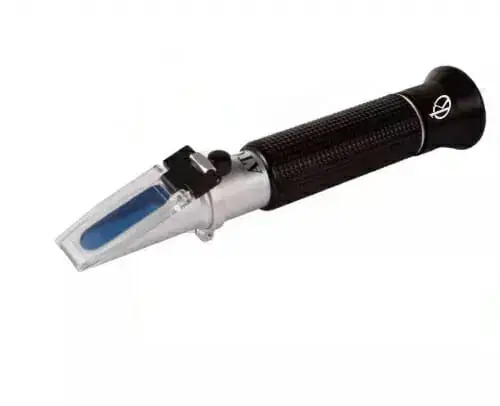
How to Implement Predictive Maintenance and Recommended Calibration for Salinity Refractometers
Salinity refractometers are essential tools in laboratories that analyze saline solutions, often used in marine research, clinical diagnostics, and various industrial applications. These instruments measure the concentration of salt in liquids, providing critical data for quality control and research. However, to ensure their accurate performance over time, implementing predictive maintenance and regular calibration is vital.
The Importance of Predictive Maintenance in Salinity Refractometers
Predictive maintenance refers to the strategy of monitoring the condition of equipment to predict when maintenance should be performed. This proactive approach helps optimize the lifespan of salinity refractometers, reduces downtime, and ensures consistent accuracy in measurements. By employing predictive maintenance, laboratories can avoid unexpected failures that may disrupt operations.
Key Components of Predictive Maintenance
1. **Condition Monitoring**: Regularly check the refractometer's performance metrics, such as drift in readings or response times, to identify trends that could indicate a need for maintenance.
2. **Data Analysis**: Utilize software and tools to analyze collected data, helping to identify potential issues before they become critical failures.
3. **Scheduled Inspections**: Establish a routine inspection schedule to physically check the equipment, ensuring all components are functioning properly.
Calibration: Best Practices for Salinity Refractometers
Calibration is essential for ensuring that salinity refractometers provide accurate readings. Regular calibration helps maintain compliance with industry standards and ensures reliable operation.
Calibration Intervals
Calibration intervals depend on usage frequency, but a general recommendation is to calibrate salinity refractometers at least once a month. More frequent calibration may be necessary in high-use environments or when significant temperature fluctuations occur.
Calibration Procedure
1. **Choose Calibration Standards**: Use certified calibration standards that fall within the expected measurement range of the refractometer.
2. **Temperature Control**: Ensure that the calibration is performed at a consistent temperature, as readings can be affected by temperature variations.
3. **Document Results**: Keep detailed records of calibration results, including the date, standards used, and any adjustments made to the equipment.
Comparison of Available Models
| Model | Measurement Range | Min. Division | Accuracy | Best For |
|---|---|---|---|---|
| YR05887 | Salinity: 2-4% (20-40 ppt) | 0.1% (1 ppt) | ±0.1% (1 ppt) | Clinical labs, marine research |
| YR05888 | Salinity: 0-4% (0-40 ppt) | 0.1% (1 ppt) | ±0.1% (1 ppt) | Quality control in marine industry |
| YR05913 | Salinity: 0-4% (0-40 ppt) | 0.1% (1 ppt) | ±0.1% (1 ppt) | Laboratory applications |
| YR05914 | Salinity: 0-4% (0-40 ppt) | 0.1% (1 ppt) | ±0.1% (1 ppt) | Industrial testing and analysis |
Common Mistakes and How to Avoid Them
1. **Neglecting Regular Maintenance**: Many laboratories overlook routine checks. Implement a schedule for regular inspections and maintenance to prevent unexpected failures.
2. **Infrequent Calibration**: Failing to calibrate regularly can lead to inaccurate measurements. Ensure calibration aligns with established protocols, especially for critical applications.
3. **Ignoring Environmental Factors**: Environmental conditions can significantly impact readings. Always calibrate and use the refractometers in controlled conditions to minimize inaccuracies.
Frequently Asked Questions
How often should I calibrate a salinity refractometer for accurate measurements?
Calibration of a salinity refractometer should be performed at least once a month, especially models like YR05887, to ensure accurate readings and compliance with quality standards.
What maintenance practices extend the life of salinity refractometers?
Implementing routine inspections, condition monitoring, and data analysis are maintenance practices that can significantly extend the life of salinity refractometers, such as the YR05888 model.
Which factors can affect the accuracy of salinity refractometers?
Factors such as temperature fluctuations, improper calibration procedures, and accumulation of contaminants can affect accuracy. Regular checks and using models like YR05913 can help mitigate these issues.
What is the best salinity refractometer for marine industry applications?
For marine industry applications, the YR05914 model is highly effective, providing accurate salinity measurements and robustness for field use.
How do I troubleshoot a salinity refractometer reading discrepancy?
Troubleshooting starts with checking calibration status, inspecting for contamination, and ensuring temperature control. Models like YR05888 offer reliability that can assist in this process.
What safety measures should be taken when using salinity refractometers?
Always use appropriate PPE, store in a dry environment, and follow decontamination protocols after use to ensure operator safety while handling salinity refractometers like the YR05887.
Can predictive maintenance reduce operational costs for laboratory equipment?
Yes, predictive maintenance can reduce operational costs by minimizing unexpected downtime and repairs, enhancing the operational efficiency of salinity refractometers like the YR05914.
What impact does calibration have on compliance with industry standards?
Calibration is crucial for compliance with industry standards, ensuring that salinity refractometers like the YR05888 provide accurate and reliable data needed for regulatory submissions.
If you are looking for a fusion of innovation and quality, you have come to the right place. At Kalstein, we offer you the luxury of exploring our exclusive catalog of laboratory equipment. We manufacture every device to the highest standards of excellence. Our intuitive and seamless online purchasing channels are designed for your convenience, securing the most competitive prices. Hesitate no longer — we bring science to life, it is time to become part of our community.