How to Implement Predictive Maintenance and Recommended Calibration for Histopathology Accessories?
In the field of histopathology, the efficiency and reliability of laboratory processes hinge significantly on the quality and maintenance of essential accessories and consumables. As laboratories strive for excellence, predictive maintenance and regular calibration emerge as critical strategies for enhancing operational performance, reducing costs, and ensuring compliance with industry standards. This article delves into the importance of these practices specifically for histopathology accessories, highlighted by an in-depth comparison of multiple models available in the market.
Understanding Predictive Maintenance in Histopathology
Predictive maintenance focuses on the proactive identification of potential failures before they occur. In histopathology, where precision is paramount, this approach can significantly minimize downtime and enhance the quality of diagnostic results. Regular monitoring of equipment condition, usage patterns, and environmental factors contributes to a more effective maintenance strategy.
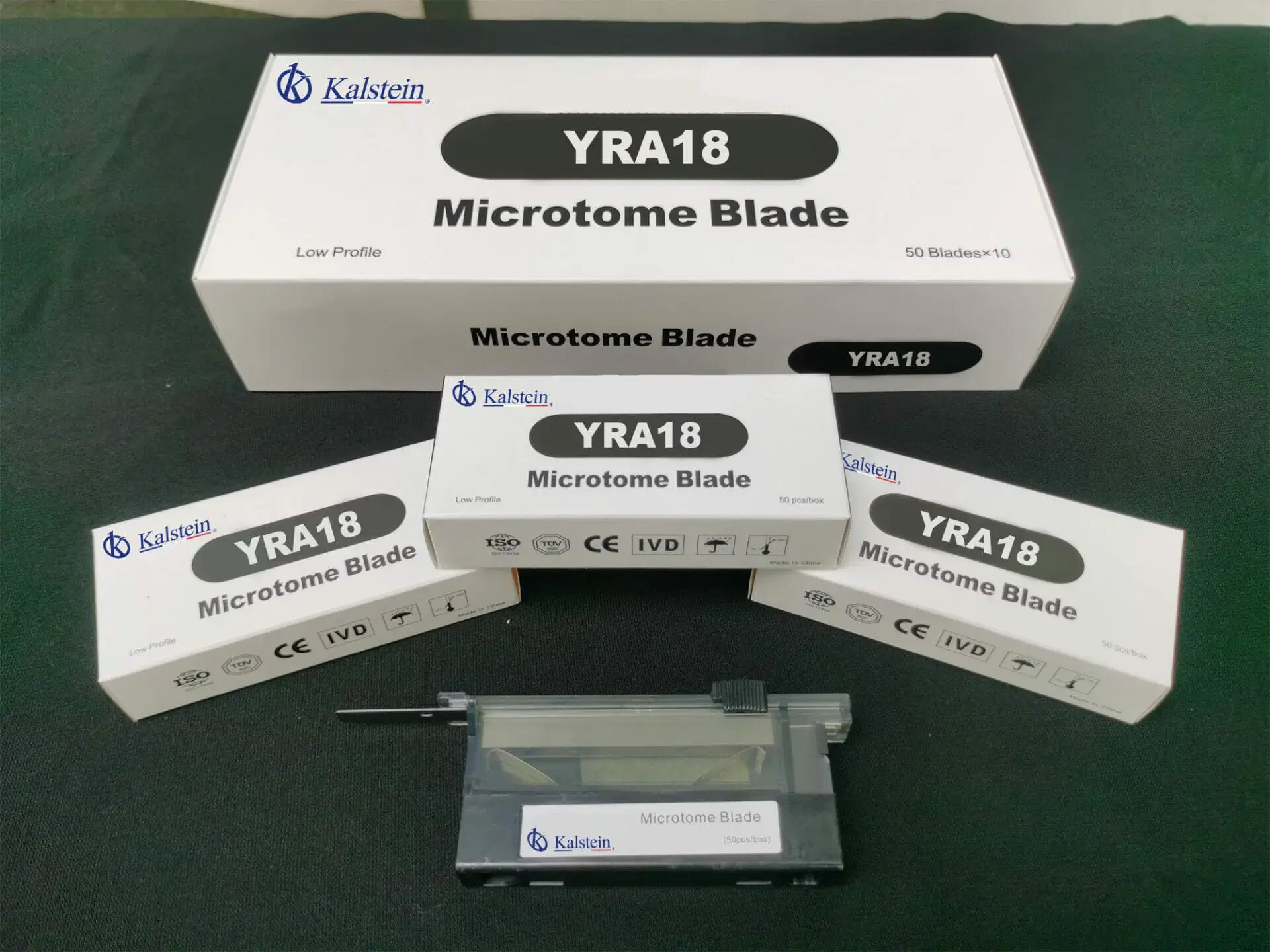
For example, employing predictive maintenance techniques for disposable microtome blades, such as the YRA18-1 and YRA19-1, ensures that laboratories maintain optimal cutting quality, thereby improving sample integrity and reducing the risk of errors during sample preparation.
Calibration Intervals: A Key to Reliable Performance
Calibration is vital for ensuring that histopathology instruments and accessories operate within specified parameters. Regular calibration of equipment such as microtome blades and embedding cassettes is essential for maintaining accuracy. For instance, both the YRA20-1 tissue embedding cassette and the YRA21-1 plastic cassette require periodic checks to uphold their performance standards.
The recommended calibration intervals depend on various factors, including usage frequency and manufacturer guidelines. Establishing a calibration schedule based on these metrics enhances reliability and underscores the commitment to quality in laboratory practices.
Comparison of Available Models
| Model | Recommended Use | Calibration Requirement | Best for |
|---|---|---|---|
| YRA18-1 | Low Profile Disposable Microtome Blade | Regular quality checks | Standard tissue samples |
| YRA19-1 | High Profile Disposable Microtome Blade | Regular quality checks | Complex tissue samples |
| YRA20-1 | Tissue Embedding Cassette | Annual calibration | Embedding processes |
| YRA21-1 | Plastic Cassette with Cover | Annual calibration | Long-term sample storage |
| YRA33-2 | Paraffin Block | Quality check after production | Sample preservation |
| YRA33-3 | Granular Paraffin | Quality check after production | Embedding procedures |
Common Mistakes and How to Avoid Them
One of the most common mistakes in histopathology labs is neglecting the maintenance schedule for consumables and accessories. For example, failing to regularly check the condition of microtome blades can lead to poor sample quality and increased operational costs. Another frequent oversight is not adhering to calibration schedules. It is crucial to establish a protocol that outlines the calibration requirements for each piece of equipment and set reminders to ensure compliance.
Furthermore, laboratories often underestimate the importance of training staff on the significance of predictive maintenance. Educating laboratory personnel about the impact of proper maintenance can foster a culture of care and diligence regarding equipment usage.
Implementing a Predictive Maintenance Strategy
Implementing a predictive maintenance strategy in a histopathology lab involves several steps. First, assess the current state of your equipment and consumables. Based on this assessment, develop a maintenance schedule that includes predictive checks and calibration timelines. Tools such as condition monitoring systems can aid in tracking equipment performance and predicting failures.
For example, using condition-based monitoring techniques to oversee the usage of blades like the YRA18-1 can help predict when a new blade is needed, thus preventing operational disruptions and maintaining sample quality.
Cost-Benefit Analysis of Regular Calibration
Conducting a cost-benefit analysis on calibration can reveal significant savings over time. While establishing a rigorous calibration schedule may seem costly, the long-term benefits far outweigh the initial investment. A well-calibrated device reduces the incidence of errors, which can lead to costly rework and potential legal ramifications for inaccurate results.
For instance, the tissue embedding cassettes such as the YRA20-1 provide substantial cost savings through improved efficiency and reduced material waste. Laboratories can track the costs associated with each embedding process to determine ROI and justify the investment in proper calibration.
Integrating Predictive Maintenance with Calibration Protocols
For optimal performance, it is essential to integrate predictive maintenance with calibration protocols. This integration ensures that maintenance activities do not compromise calibration accuracy and vice versa. Establishing a structured schedule that aligns maintenance and calibration activities can enhance operational efficiency.
For example, during routine checks of the YRA21-1 plastic cassettes, it would be prudent to assess calibration status simultaneously. This dual approach maximizes the effectiveness of both practices, ensuring top-quality results.
Frequently Asked Questions
What are the benefits of predictive maintenance for histopathology accessories?
Implementing predictive maintenance, especially for models like YRA19-1, helps extend the lifecycle of histopathology accessories by preventing unexpected failures and ensuring continuous operation, which enhances the quality of results.
How often should I calibrate disposable microtome blades?
It is crucial to perform regular quality checks and calibrate disposable microtome blades such as YRA18-1 every three months to ensure consistent performance and prevent errors in sample preparation.
What is the role of calibration in maintaining histopathology standards?
Calibration plays a vital role in ensuring that devices like YRA20-1 meet specified standards, which is essential for achieving accurate diagnostics and maintaining compliance with laboratory regulations.
How can I track the performance of my histopathology equipment?
Tracking performance can be achieved through regular maintenance logs and condition monitoring systems, especially for devices like YRA21-1, to ensure they operate at peak efficiency.
What are the recommended calibration protocols for embedding cassettes?
Embedding cassettes such as YRA20-1 should undergo annual calibration, with routine checks after every batch of samples processed to maintain optimal performance and reliability.
How can predictive maintenance reduce operational costs in histopathology?
Predictive maintenance minimizes operational costs by preventing equipment failures and reducing the need for emergency repairs, thus ensuring equipment like YRA33-2 functions efficiently and reliably.
What impact does calibration have on laboratory compliance?
Calibration directly impacts laboratory compliance by ensuring that all equipment, including models like YRA33-3, meets industry standards, thereby avoiding penalties and maintaining accreditation.
How to ensure a successful predictive maintenance program in a histopathology lab?
A successful predictive maintenance program can be ensured by regularly assessing equipment condition, conducting timely calibrations, and training staff on maintenance protocols for accessories like YRA18-1.
If you are looking for a fusion of innovation and quality, you have come to the right place. At Kalstein, we offer you the luxury of exploring our exclusive catalog of laboratory equipment. We manufacture every device to the highest standards of excellence. Our intuitive and seamless online purchasing channels are designed for your convenience, securing the most competitive prices. Hesitate no longer — we bring science to life, it is time to become part of our community.