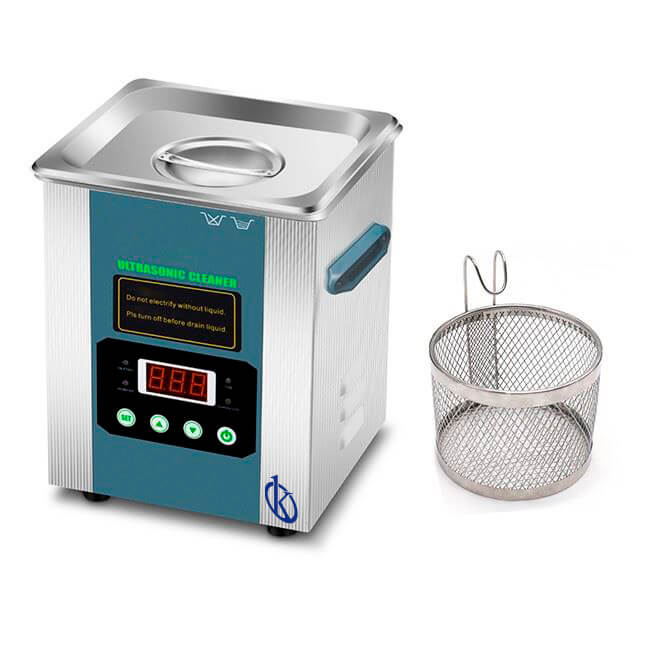
How to Ensure Predictive Maintenance and Recommended Calibration for Digital Display Ultrasonic Cleaners
In the realm of laboratory equipment, effective maintenance and calibration of ultrasonic cleaners are paramount to ensure optimal performance. Digital display ultrasonic cleaners are widely used in various industries, including jewelry, electronics, and medical fields. This article delves into the critical aspects of predictive maintenance and recommended calibration practices essential for these devices. We will analyze multiple models within this subcategory, providing insights into their unique features and applications for maintaining system integrity.
Understanding Predictive Maintenance for Ultrasonic Cleaners
Predictive maintenance involves monitoring the condition of equipment to predict when maintenance should be performed. This proactive approach helps in minimizing downtime and extending the lifespan of ultrasonic cleaners. Key performance indicators such as Mean Time Between Failures (MTBF) and Mean Time To Repair (MTTR) are essential metrics in this context.
Key Performance Indicators (KPIs)
To implement effective predictive maintenance, laboratories should establish KPIs specific to ultrasonic cleaners. For instance, monitoring MTBF can help identify how frequently a unit, like the YR05212, requires maintenance. An MTBF of 500 hours indicates that the cleaner is reliable and suitable for continuous operations in high-demand environments.
Benefits of Predictive Maintenance
Adopting predictive maintenance strategies can lead to significant cost savings. For example, reducing unexpected failures can decrease repair costs and operational interruptions. A laboratory using the YR05209 can potentially save up to 30% on maintenance costs compared to those that rely solely on reactive maintenance practices.
Recommended Calibration Practices for Ultrasonic Cleaners
Calibration is vital for ensuring the accuracy and reliability of ultrasonic cleaners. Regular calibration helps maintain compliance with relevant standards such as ISO 17025. Establishing a calibration schedule is crucial for laboratories to uphold the quality of their cleaning processes.
Calibration Intervals
Calibration intervals vary based on usage and environmental factors. For instance, the YR05208, typically used for jewelry cleaning, should be calibrated at least every six months to ensure optimal ultrasonic activity. This frequency helps in maintaining the efficacy of the cleaning process while adhering to quality standards.
Traceability in Calibration
Traceability of calibration results ensures that ultrasonic cleaners are compliant with industry regulations. Each calibration should be documented thoroughly, noting the model, date, and results. This is especially important for models like the YR05214, commonly utilized in medical settings, where compliance with regulatory bodies is mandatory.
Comparison of Available Models
| Model Code | Tank Capacity (L) | Power (W) | Best For | Recommended Calibration Interval |
|---|---|---|---|---|
| YR05208 | 2 | 70 | Jewelry Cleaning | 6 months |
| YR05209 | 2 | 70 | Household Use | 6 months |
| YR05212 | 4.5 | 180 | Industrial Applications | 6 months |
| YR05213 | 6.8 | 180 | Heavy Duty Cleaning | 6 months |
| YR05214 | 11 | 240 | Medical Equipment | 6 months |
| YR05215 | 15 | 360 | Laboratory Use | 6 months |
Common Mistakes and How to Avoid Them
In the maintenance and calibration of digital display ultrasonic cleaners, several common mistakes can occur that may hinder optimal performance. Understanding and mitigating these errors is essential for laboratory professionals.
Neglecting Regular Calibration
A major pitfall is neglecting the recommended calibration schedule. For instance, if the YR05212 is not calibrated regularly, it may lead to inconsistent cleaning results, affecting the quality of outputs. Implementing a strict schedule is crucial for consistent performance.
Ignoring Environmental Factors
Environmental conditions, such as temperature and humidity, can affect the efficacy of ultrasonic cleaners. Ensuring that the equipment is used in a controlled environment can prevent performance issues. For example, operating the YR05209 in extreme conditions may lead to suboptimal cleaning outcomes.
Frequently Asked Questions
How can predictive maintenance improve the lifespan of digital display ultrasonic cleaners?
Predictive maintenance helps extend the lifespan of ultrasonic cleaners, such as the YR05214, by identifying potential failures before they occur. Routine monitoring of performance metrics ensures that any issues are addressed proactively, leading to improved reliability and reduced downtime.
Which standards should ultrasonic cleaners meet for compliance in laboratories?
Ultrasonic cleaners should meet standards like ISO 17025 to ensure compliance in laboratories. Models such as the YR05212 are designed with traceability features that help maintain compliance with regulatory requirements, ensuring cleaning processes are consistently effective.
What is the recommended calibration frequency for a YR05209 ultrasonic cleaner?
The YR05209 ultrasonic cleaner should be calibrated at least every six months to ensure optimal cleaning performance. Regular calibration helps maintain the accuracy of the ultrasonic frequency and power settings, thereby enhancing cleaning efficiency.
How does environmental temperature affect the performance of ultrasonic cleaners?
Environmental temperature can significantly impact the performance of ultrasonic cleaners. For example, using the YR05208 in a controlled environment ensures that the cleaning process runs effectively without variability caused by temperature fluctuations.
Why is traceability important in the calibration of ultrasonic cleaners?
Traceability in calibration is vital for ensuring that ultrasonic cleaners, like the YR05215, meet industry regulations. Accurate documentation provides a record of compliance with standards, which is essential for audits and maintaining quality assurance in laboratory settings.
What are the common applications of the YR05212 ultrasonic cleaner?
The YR05212 ultrasonic cleaner is commonly used in various applications, including industrial cleaning and maintenance of medical equipment. Its high power output of 180W makes it suitable for heavy-duty cleaning tasks, ensuring efficient performance across multiple sectors.
If you are looking for a fusion of innovation and quality, you have come to the right place. At Kalstein, we offer you the luxury of exploring our exclusive catalog of laboratory equipment. We manufacture every device to the highest standards of excellence. Our intuitive and seamless online purchasing channels are designed for your convenience, securing the most competitive prices. Hesitate no longer — we bring science to life, it is time to become part of our community.