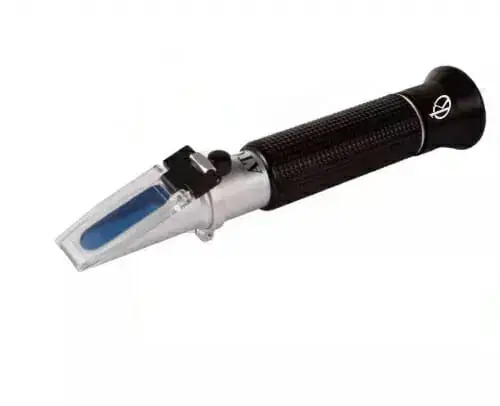
Predictive Maintenance and Recommended Calibration for Beer Refractometers
Beer refractometers are essential tools for breweries, allowing for precise measurement of sugar density during the brewing process. However, to ensure accuracy and reliability, implementing a predictive maintenance strategy and adhering to recommended calibration schedules is crucial. This article discusses the importance of these practices, focusing on various models of beer refractometers, their specifications, and how they fit into a predictive maintenance framework.
Understanding the Importance of Predictive Maintenance
Predictive maintenance involves monitoring the condition of equipment to anticipate failures before they occur. For beer refractometers, this means regularly checking performance indicators such as measurement accuracy and response time. By predicting when a device might fail, breweries can schedule maintenance during non-peak hours, reducing downtime and ensuring consistent product quality.
Recommended Calibration for Beer Refractometers
Calibration is vital for ensuring the accuracy of measurements taken by beer refractometers. Regular calibration against known standards prevents drift in measurements that can lead to inconsistencies in brewing. The recommended calibration schedule may vary, but frequent checks are essential — especially following heavy use or after unusual environmental changes in the brewing area.
Comparison of Available Models
| Model Code | Description | Measurement Range | Minimum Division | Accuracy | Automatic Temperature Compensation | Material |
|---|---|---|---|---|---|---|
| YR05939 | Handheld optical refractometer measuring sugar density with real-time gravity readings. | 0-32% Brix, 1.000-1.120 SG | 0.2% Brix, 0.001 SG | ±0.2% Brix, ±0.001 SG | Yes | Pure Aluminum |
| YR05940 | Similar functionality to YR05939, ideal for constant monitoring of wort gravity. | 0-32% Brix, 1.000-1.120 SG | 0.2% Brix, 0.001 SG | ±0.2% Brix, ±0.001 SG | Yes | Pure Aluminum |
| YR05941 | Handheld device for quick gravity checks during brewing; minimal sample required. | 0-32% Brix, 1.000-1.120 SG | 0.2% Brix, 0.001 SG | ±0.2% Brix, ±0.001 SG | Yes | Pure Aluminum |
| YR05942 | Advanced model with enhanced features for precise readings and better durability. | 0-32% Brix, 1.000-1.120 SG | 0.2% Brix, 0.001 SG | ±0.2% Brix, ±0.001 SG | Yes | Pure Aluminum |
| YR05943 | Offers rapid readings and is specifically designed for frequent usage in brewing processes. | 0-32% Brix, 1.000-1.120 SG | 0.2% Brix, 0.001 SG | ±0.2% Brix, ±0.001 SG | Yes | Pure Aluminum |
Common Mistakes and How to Avoid Them
Many users overlook the importance of calibrating their refractometers regularly, which can lead to measurement inaccuracies. Others may fail to implement a proper predictive maintenance regimen, resulting in unexpected equipment failures during critical brewing times. To avoid these issues, establish a strict schedule for both calibration and maintenance, ensuring every team member is trained in these protocols.
Best Practices for Predictive Maintenance
Implementing a successful predictive maintenance strategy involves several key practices. First, establish key performance indicators (KPIs) such as Mean Time Between Failures (MTBF) and Mean Time to Repair (MTTR). Regularly review these metrics to identify patterns in equipment performance. Additionally, consider investing in condition-monitoring tools that can provide real-time data on your beer refractometers' status, enabling proactive maintenance scheduling.
Calibration Schedule Recommendations
A typical calibration schedule for beer refractometers might involve checking accuracy before and after significant brewing events or at least monthly during regular operations. During high-demand periods, such as peak brewing seasons, it may be beneficial to calibrate more frequently. Document all calibration activities to ensure traceability and compliance with industry standards.
Frequently Asked Questions
How often should I calibrate my beer refractometer for accurate results?
Calibration of your beer refractometer, such as the YR05939 model, should be performed at least once a month and after significant brewing events. This ensures that measurements remain reliable and consistent, preventing deviations that could affect the brewing process.
What are the benefits of predictive maintenance for beer refractometers?
Predictive maintenance for models like YR05940 helps anticipate equipment failures, enabling timely interventions that reduce downtime and maintain product quality. By employing condition-monitoring strategies, breweries can avoid costly interruptions in production.
Which calibration standards should I follow for beer refractometers?
It's essential to calibrate beer refractometers like the YR05941 against known standards. Establishing benchmarks according to industry practices ensures measurements comply with regulatory requirements, enhancing the credibility of your brewing process.
What temperature range is suitable for operating beer refractometers?
Most beer refractometers, including the YR05942, operate effectively within a temperature range of 10-30°C. Operating outside this range may affect readings and lead to inaccurate measurements.
How can I implement a proper maintenance schedule for my refractometers?
To implement a proper maintenance schedule, start by identifying critical usage periods for your beer refractometers like YR05943. Create a maintenance calendar that aligns with brewing schedules, ensuring regular checks and timely interventions.
What factors should I consider when choosing a beer refractometer model?
When selecting a beer refractometer, consider factors such as measurement range, accuracy, sample size required, and durability. Models like YR05939 and YR05940 are excellent for frequent checks due to their ease of use and reliable readings.
How does temperature affect the accuracy of beer refractometers?
Temperature can significantly influence the accuracy of readings from beer refractometers like the YR05941. Automatic Temperature Compensation (ATC) helps mitigate these effects, ensuring precise measurements during brewing.
What are the common issues faced with beer refractometers and how to fix them?
Common issues with beer refractometers include inaccurate readings due to improper calibration or temperature fluctuations. Regular maintenance and calibration of models such as YR05942 can help ensure accuracy and reliability in measurements.
If you are looking for a fusion of innovation and quality, you have come to the right place. At Kalstein, we offer you the luxury of exploring our exclusive catalog of laboratory equipment. We manufacture every device to the highest standards of excellence. Our intuitive and seamless online purchasing channels are designed for your convenience, securing the most competitive prices. Hesitate no longer — we bring science to life, it is time to become part of our community.