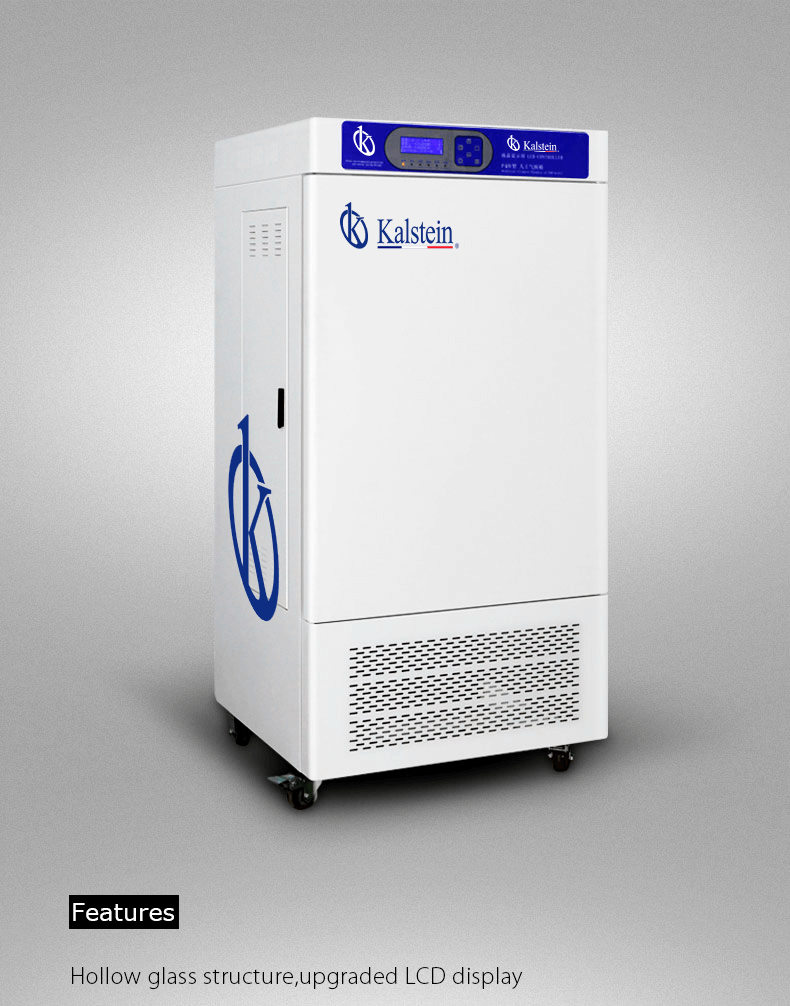
Plant Growth Chambers: Common Mistakes and How to Avoid Them in Daily Operations 2026
Plant Growth Chambers are critical tools in the realm of agricultural and biological research. They provide a controlled environment that replicates natural conditions, essential for the growth and study of various plant species and microorganisms. In this article, we will explore their applications, history, best practices, and how laboratory professionals can use them effectively while avoiding common pitfalls.
What is it used for in 2026
In 2026, plant growth chambers are used for a variety of scientific research applications, including seed germination, cultivation of plants, microbiological experiments, and quality testing of various products. These chambers simulate precise environmental conditions such as temperature, light intensity, and humidity, which are vital for conducting experiments that require consistent and replicable results. For example, researchers can study plant responses to different light conditions, evaluate growth rates under varying temperatures, or test the effects of specific treatments on plant health.
History and evolution of the technology
The evolution of plant growth chambers dates back to the mid-20th century when researchers began to recognize the need for controlled environments in plant science. Initially, these chambers were simple, with limited functionality, primarily focusing on temperature and humidity control. Over the years, technological advancements have led to the integration of sophisticated features such as programmable lighting systems, real-time monitoring through LCD displays, and automated temperature regulation. The latest models, like the YR05331, YR05332, and YR05333, incorporate smart microcomputer controls that enhance usability and precision, making them indispensable tools in modern laboratories.
How to use it step by step
Using a plant growth chamber effectively involves several critical steps:
- Preparation: Ensure that the plant growth chamber is clean and free of any contaminants. Check that all components are functioning correctly.
- Setting Environmental Conditions: Program the desired temperature, humidity, and light intensity according to the specific requirements of the experiment. For instance, the YR05331 model can maintain temperatures from 10 to 50°C with illumination.
- Loading Samples: Place plants or samples inside the chamber, ensuring they are adequately spaced to receive uniform light and airflow. Use the tempered glass door for visibility.
- Monitoring: Regularly check the chamber's performance through the LCD screen, ensuring that all parameters are stable and within the specified ranges.
- Data Collection: Collect data on plant growth and other variables as specified in your experimental protocol. Keep track of any significant changes.
- Cleanup: After the experiment, clean and disinfect the chamber to prevent contamination for future use.
Best techniques and protocols
Implementing best practices while operating plant growth chambers is vital for achieving optimal results. Some recommended techniques include:
- Calibration: Regularly calibrate the chamber’s sensors to ensure accurate temperature and humidity readings.
- Lighting Control: Use the adjustable lighting levels to simulate natural conditions. For example, the YR05332 model offers five adjustable light levels, ideal for replicating different growth conditions.
- Consistent Monitoring: Establish a routine for monitoring conditions and plant health. This can include daily checks and logging data for analysis.
- Experiment Replication: To validate results, replicate experiments under the same controlled conditions multiple times.
Practical applications by laboratory type
Plant growth chambers serve various laboratories across different sectors:
- Agricultural Research: Used for studying crop responses to environmental changes.
- Biotechnology Labs: Ideal for experiments involving genetically modified organisms.
- Pharmaceuticals: Used for plant-based drug extraction studies and testing plant responses to different treatments.
- Education: Utilized in academic settings for teaching botany and plant physiology.
Regulations, standards and certifications
Compliance with certain regulations and standards is crucial when using plant growth chambers. Regulatory bodies may require that labs adhere to specific environmental and safety standards. Certifications such as ISO 9001 for quality management systems can enhance credibility and ensure that operations meet industry standards. Additionally, chambers may need to comply with environmental regulations regarding energy efficiency and waste management.
Comparison with alternative technologies
While plant growth chambers are widely used, alternative technologies exist. Greenhouses, for instance, offer a more natural environment but lack the precise control over conditions that chambers provide. Hydroponic systems can also be used for controlled plant growth, but they focus primarily on nutrient delivery rather than environmental conditions. In contrast, chambers such as the YR05331, YR05332, and YR05333 models are specifically designed for controlled experimentation, making them more suitable for scientific research.
Comparison of available models
| Model | Best for | Key specs | Recommended use case |
|---|---|---|---|
| YR05331 | Seed germination and plant growth | Temperature range: 10~50°C; Volume: 150L; Power: 900W | Ideal for small-scale experiments and educational purposes |
| YR05332 | Microbial growth studies | Temperature range: 10~50°C; Volume: 250L; Power: 1000W | Best for microbiology labs needing larger space |
| YR05333 | Comprehensive plant research | Temperature range: 10~50°C; Volume: 350L; Power: 1200W | Suitable for extensive plant studies and product testing |
Common mistakes and how to avoid them
Common mistakes when using plant growth chambers can lead to subpar results:
- Incorrect Calibration: Always ensure that the chamber is calibrated according to manufacturer specifications to avoid inaccurate readings.
- Overcrowding Samples: Allow for sufficient space between samples to ensure even light distribution and airflow.
- Neglecting Regular Maintenance: Perform routine maintenance checks and cleaning to avoid contamination and ensure optimal performance.
- Ignoring Data Monitoring: Regularly log data and monitor conditions to identify any irregularities early on.
Maintenance, calibration and good practices 2026
To maintain plant growth chambers effectively:
- Routine Checks: Regularly inspect and clean internal components to prevent dust and microbial contamination.
- Calibration: Follow the manufacturer’s guidelines for calibrating sensors at least quarterly.
- Record Keeping: Maintain detailed logs of all experiments, conditions, and maintenance activities for future reference.
Cost-benefit analysis 2026
Investing in a plant growth chamber can be significant, but the benefits often outweigh the costs. These chambers facilitate precise control of experimental conditions, leading to reliable and reproducible results, which is especially valuable in research and development. The ability to conduct multiple experiments simultaneously can enhance productivity and save time, making them a worthy investment for any laboratory focused on plant science.
Frequently asked questions
What are the key features to look for in a plant growth chamber?
Key features include adjustable temperature and humidity settings, programmable lighting options, and efficient energy consumption. Models like the YR05332 provide advanced controls that can enhance usability.
How can I ensure optimal growth conditions for my plants in a chamber?
Regularly monitor environmental parameters, calibrate equipment, and adjust light levels according to the specific needs of the plant species being used.
Is it necessary to run experiments in replicates?
Yes, running experiments in replicates helps validate results and ensures that findings are consistent across different trials.
What maintenance is required for a plant growth chamber?
Regular cleaning, calibration of sensors, and visual inspections are essential to maintain optimal performance and avoid contamination.
Can I use a growth chamber for microbial studies?
Yes, growth chambers are suitable for microbial studies, especially those that require controlled environmental conditions like temperature and light.
How do I decide which model to purchase?
Consider your specific research needs, such as the size of samples, required environmental conditions, and your budget. Models like the YR05331, YR05332, and YR05333 have different capacities and features that cater to various applications.
Where can I get a quote for a plant growth chamber?
For a personalized quote, feel free to request one through our platform. We can assist you in finding the right model for your needs.
If you are looking for a fusion of innovation and quality, you have come to the right place. At Kalstein, we offer you the luxury of exploring our exclusive catalog of laboratory equipment. We manufacture every device to the highest standards of excellence. Our intuitive and seamless online purchasing channels are designed for your convenience, securing the most competitive prices. Hesitate no longer — we bring science to life, it is time to become part of our community.