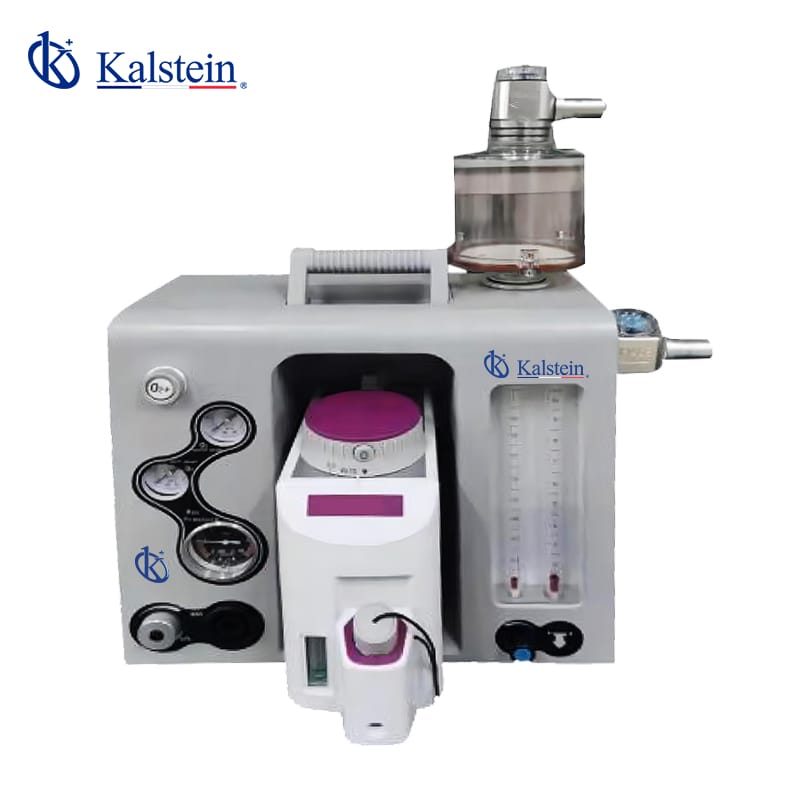
Understanding Measurement Interpretation and Result Reading for the YR02061 Anesthesia Machine
The YR02061 Portable Anesthesia Machine is specifically designed for surgical locations where space is limited. It provides a crucial role in both veterinary and clinical settings, facilitating the delivery of anesthesia while ensuring accurate monitoring and interpretations of measurements. Understanding how to read and interpret the results provided by this machine is fundamental to successful anesthesia management.
Technical Specifications of the YR02061
| Parameter | Value |
|---|---|
| Model | YR02061 |
| Application | 1~300kg Patient (includes both humans and VET) |
| Ventilation Mode | Closed, semi-closed, semi-open, manual |
| Tidal Volume (Manual Mode) | 10-2000 ml |
| Gas Pressure | 0.25-0.65 Mpa |
| Flow Meter | O2 two tubes: 0.1~10L/M |
| APL Valve | 0.5~6.0K pal |
| O2 Flush | 25~75 L/min |
| I:E Ratio | As the doctor operates |
| BPM | As the doctor operates |
| Monitoring | Airway pressure, respiratory mode |
Reading Measurements on the YR02061
The YR02061 features multiple gauges and indicators that provide critical information during anesthesia procedures. The accurate reading of these measurements is essential, as they directly impact patient safety and procedure effectiveness. The two main types of measurements you will encounter are:
- Pressure Measurements: Indicated through manometers, these readings help in assessing the airway pressure and ensuring that it remains within safe limits.
- Flow Measurements: Using the flow meter, you can gauge the flow rate of oxygen administered, vital for both patient comfort and procedural success.
Common Misinterpretations of Readings
Understanding how to correctly interpret the results on the YR02061 can help avoid common pitfalls. Here are some frequent misinterpretations:
- Misreading Pressure Indicators: It’s crucial to understand the scale and units used. Always review calibration settings and ensure they're accurate.
- Flow Rate Confusion: Mixing up liters per minute (L/min) and milliliters per second (ml/s) can lead to incorrect dosing. Always align your interpretation with the unit displayed.
Understanding Normal Ranges and Error Bars
The YR02061 provides normal ranges for various measurements, essential for establishing baseline parameters. Knowing these ranges allows operators to quickly assess any deviations:
- Normal Airway Pressure: Typically, the airway pressure should remain below 30 cmH2O to prevent barotrauma.
- Oxygen Flow Rate: Ensuring that the flow rate remains within 1-10 L/min for adults is crucial for effective delivery.
Interpreting the Display Outputs
The YR02061's display provides a user-friendly interface for monitoring key parameters. Familiarizing yourself with the display layout is critical:
- Understand where to locate the pressure and flow readings.
- Be aware of any alarms or alerts that indicate when the readings are outside of safe ranges.
Practical Applications of Result Interpretation
In practical applications, the operator must be equipped to interpret readings effectively. Here are a few scenarios:
- During Surgery: Continuously monitor airway pressure and flow rates to ensure stable anesthesia delivery.
- In Recovery: Post-operative readings can indicate how well the patient is responding to anesthesia, guiding recovery protocols.
Frequently Asked Questions
What is the importance of understanding the pressure readings on the YR02061?
Understanding pressure readings is crucial for ensuring patient safety. High or fluctuating pressures can indicate potential complications during anesthesia, necessitating prompt corrective actions.
How do I interpret the oxygen flow rate on the YR02061?
The oxygen flow rate is displayed in L/min. It's essential to ensure that it aligns with the required parameters for the patient type to avoid hypoxia or hyperoxia.
What are the common errors when reading the displays on the YR02061?
Common errors include misreading pressure scales, confusing flow rate units, and overlooking alarms. Always take time to familiarize yourself with the display layout before use.
How can I ensure accurate readings from the YR02061?
To ensure accurate readings, regularly calibrate the equipment, perform maintenance as per the manufacturer's guidelines, and cross-check with manual readings when necessary.
What steps should I take if I get an abnormal reading?
If you receive an abnormal reading, first verify the calibration, then check connections and equipment settings. If discrepancies persist, consult the troubleshooting guide specific to the YR02061.
Can operator experience affect the interpretation of results?
Yes, operator experience plays a significant role in interpreting results accurately. Ongoing training and practical experience with the YR02061 can enhance skill levels in reading and responding to measurements.
How do common ventilation modes affect readings on the YR02061?
Different ventilation modes can influence pressure and flow readings. For instance, a closed system will generally show higher pressures compared to a semi-open mode, which should be taken into account when interpreting results.
If you are looking for a fusion of innovation and quality, you have come to the right place. At Kalstein, we offer you the luxury of exploring our exclusive catalog of laboratory equipment. We manufacture every device to the highest standards of excellence. Our intuitive and seamless online purchasing channels are designed for your convenience, securing the most competitive prices. Hesitate no longer — we bring science to life, it is time to become part of our community.