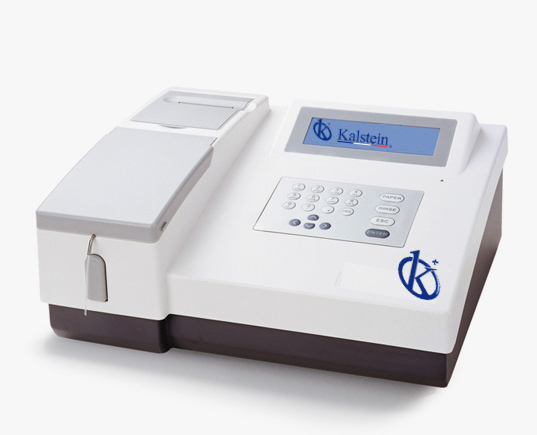
Maximizing ROI Through Cost-Benefit Analysis of Chemical Analyzers
In the highly competitive laboratory environment, understanding the returns on investment (ROI) for equipment purchases is crucial. Chemical analyzers represent a significant investment and their impact on laboratory operations can be profound. This article delves into effective strategies for conducting a cost-benefit analysis that maximizes ROI, focusing specifically on the range of chemical analyzers available for modern laboratories.
Understanding ROI in Laboratory Equipment
ROI is a performance measure used to evaluate the efficiency of an investment. In a laboratory context, this involves assessing how effectively the money spent on equipment, such as chemical analyzers, translates into measurable benefits like increased productivity, reduced costs, and improved accuracy in testing. For laboratory professionals, establishing clear metrics for evaluating these benefits is essential.
When evaluating chemical analyzers, it is important to consider factors such as initial purchase costs (CAPEX), operational costs (OPEX), maintenance, and the potential savings generated by increased efficiency. A well-structured cost-benefit analysis allows laboratories to determine which analyzers deliver the best long-term value.
Key Factors in Cost-Benefit Analysis
The cost-benefit analysis for chemical analyzers can be broken into several critical components. Each aspect contributes to an overall understanding of how these tools can impact laboratory operations and financial performance.
1. Initial Costs (CAPEX)
Initial costs encompass the purchase price of the analyzer and any additional expenses related to installation and training. For example, the Automatic Chemistry Analyzer YR06075 has an initial cost of $12,500, while the Semi-Automatic Chemistry Analyzer YR05115 is priced at $800. Understanding the upfront investment required is the first step in evaluating ROI.
2. Ongoing Operational Costs (OPEX)
Ongoing operational costs include expenses related to consumables, maintenance, and labor. For instance, the Portable Chemical Analyzer YR06092 has a low operational cost due to its compact design and energy efficiency, making it a viable choice for laboratories with limited budgets.
3. Throughput and Productivity
Throughput refers to the number of tests an analyzer can perform in a given time frame, directly impacting productivity. The Automatic Chemistry Analyzer YR06075 can conduct 560 tests per hour, making it ideal for high-demand environments. Evaluating how an analyzer can improve throughput is crucial for understanding its potential ROI.
4. Accuracy and Reliability
Accuracy in testing reduces the risk of costly errors and re-tests. The Semi-Automatic Chemistry Analyzer YR05116 features a wavelength adjustment system that improves result reliability, making it a strong candidate for laboratories focused on precision.
5. Life Cycle Costs
Life cycle costs account for the total cost of ownership over the analyzer's lifespan, including depreciation, maintenance, and any potential upgrades. Understanding these costs allows laboratories to make informed decisions about equipment investments.
Comparison of Available Models
| Model | Initial Cost (USD) | Throughput (tests/hour) | Operational Cost (USD/test) | Best For |
|---|---|---|---|---|
| YR05115 | $800 | Up to 240 | $0.50 | Small laboratories |
| YR05114 | $950 | Up to 240 | $0.55 | Routine testing |
| YR06092 | $150 | Varies | $0.20 | Field labs |
| YR06075 | $12,500 | 560 | $0.10 | High throughput labs |
| YR05116 | $1,300 | Up to 240 | $0.45 | Research labs |
| YR06078 | $1,100 | Up to 240 | $0.50 | General testing |
Common Mistakes and How to Avoid Them
When conducting cost-benefit analyses for chemical analyzers, several common pitfalls can arise. Awareness of these issues can help laboratories make more informed decisions.
1. Underestimating Operational Costs
Many laboratories focus solely on initial costs without considering ongoing operational expenses. It is crucial to calculate costs per test accurately to avoid financial shortfalls.
2. Ignoring Maintenance Needs
Neglecting the importance of regular maintenance can lead to unexpected downtime and increased repair costs. Implementing a preventive maintenance schedule is essential for maximizing ROI.
3. Failing to Evaluate Throughput
Some laboratories may overlook throughput when choosing an analyzer. Ensure that the selected model meets the current and future testing demands to maintain productivity levels.
4. Not Considering Scalability
Choosing an analyzer that cannot scale as laboratory needs grow can limit its effectiveness. Assess future testing requirements before making a purchase decision.
5. Neglecting User Training
Inadequate training can lead to suboptimal usage of equipment, resulting in inefficiencies. Ensure that all personnel are thoroughly trained on the selected analyzer.
Frequently Asked Questions
What is the expected ROI from a chemical analyzer in a laboratory?
The expected ROI from a chemical analyzer can vary based on its cost, throughput, and operational efficiency. For example, the Automatic Chemistry Analyzer YR06075 has an initial cost of $12,500 but offers a low operational cost of $0.10 per test, allowing for substantial savings and faster payback.
How do I choose the right chemical analyzer for my laboratory needs?
Choosing the right chemical analyzer involves assessing key factors such as initial costs, throughput capacity, operational expenses, and reliability. The Semi-Automatic Chemistry Analyzer YR05116 is a great choice for research labs needing precise measurements with a manageable initial investment.
What are the long-term costs associated with chemical analyzers?
Long-term costs include maintenance, consumables, and potential upgrades. For instance, the Semi-Automatic Chemistry Analyzer YR06078 has an operational cost of $0.50 per test, which should be factored into the total cost of ownership.
How does throughput impact the ROI of chemical analyzers?
Throughput directly affects a laboratory's productivity and efficiency. For example, the Automatic Chemistry Analyzer YR06075 can handle 560 tests per hour, significantly increasing output and enhancing ROI compared to lower throughput models.
Which chemical analyzers are best for small laboratory operations?
For small laboratory operations, the Semi-Automatic Chemistry Analyzer YR05115 offers a competitive price of $800 and sufficient throughput for routine testing, making it a feasible option for limited budgets.
What factors should I consider when planning a chemical analyzer purchase?
When planning a purchase, consider initial and operational costs, required throughput, accuracy, and maintenance needs. The Portable Chemical Analyzer YR06092 provides an economical solution for field labs needing reliable testing on a budget.
How can I ensure accurate results from my chemical analyzer?
To ensure accurate results, perform regular maintenance, calibrate the device as required, and follow standard operating procedures. Instruments like the Semi-Automatic Chemistry Analyzer YR05116, with its adjustable wavelength feature, can help improve result reliability.
What are the latest trends in chemical analyzer technology?
Recent trends include enhanced automation, integration with laboratory information management systems (LIMS), and sustainability features. Models like the Automatic Chemistry Analyzer YR06075 incorporate advanced technologies to meet growing laboratory demands efficiently.
If you are looking for a fusion of innovation and quality, you have come to the right place. At Kalstein, we offer you the luxury of exploring our exclusive catalog of laboratory equipment. We manufacture every device to the highest standards of excellence. Our intuitive and seamless online purchasing channels are designed for your convenience, securing the most competitive prices. Hesitate no longer — we bring science to life, it is time to become part of our community.