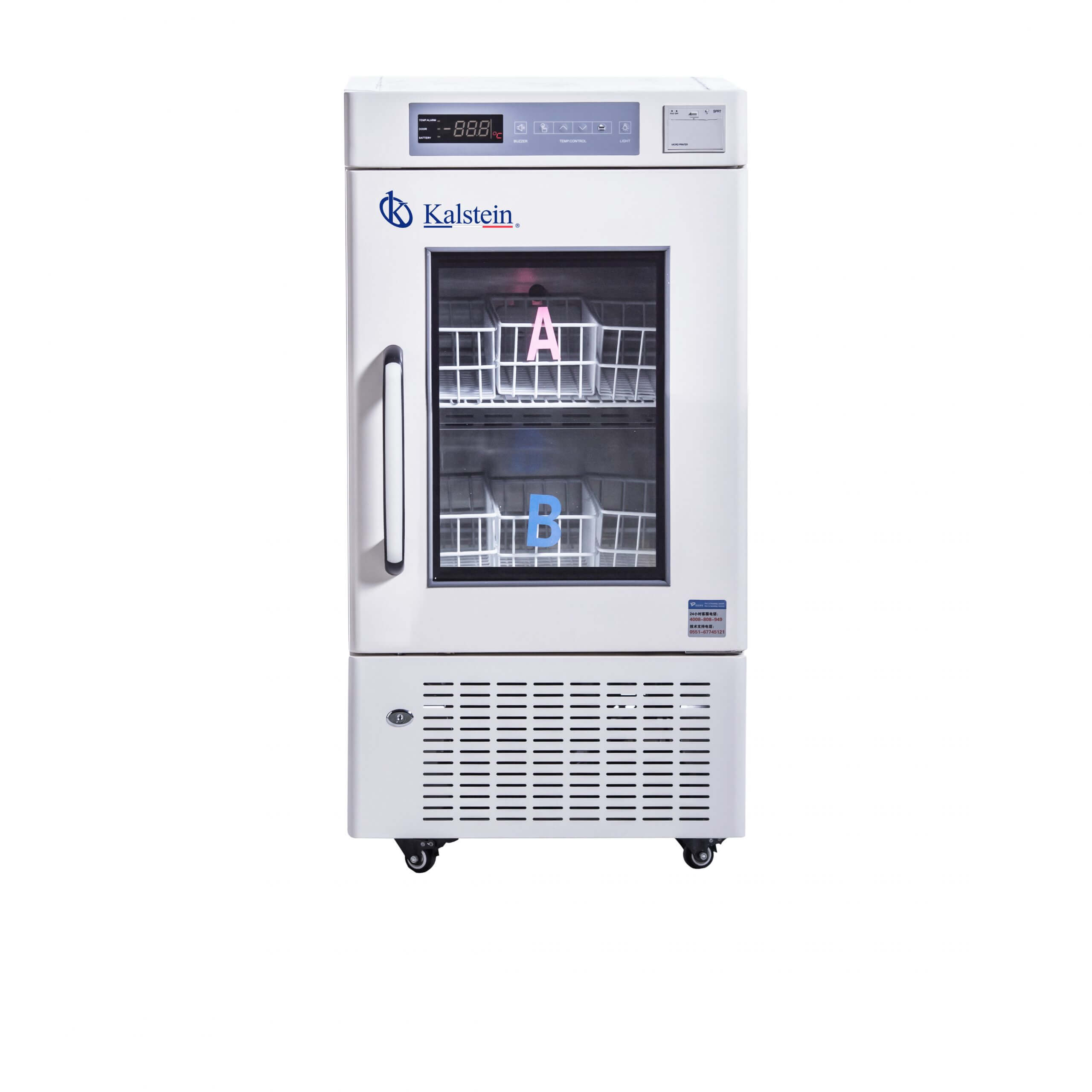
Maximizing ROI and Cost-Benefit Analysis for Blood Bank Refrigerators
In the realm of blood banking, the significance of maintaining optimal storage conditions cannot be overstated. Blood Bank Refrigerators play a vital role in preserving blood and bioproducts, but understanding their cost implications is equally essential. This article delves into the intricacies of ROI and cost-benefit analysis for blood bank refrigerators, specifically examining various models available in the market.
Understanding the Importance of ROI in Blood Bank Refrigerators
Return on Investment (ROI) is a critical metric for laboratories when selecting equipment. In blood banks, where every dollar spent impacts operational efficiency and patient care, calculating ROI helps facilities make informed purchasing decisions. By analyzing costs related to procurement, maintenance, and operational efficiency, blood banks can determine the most cost-effective refrigeration solutions.
Key Factors Affecting Cost-Benefit Analysis
Several factors contribute to the cost-benefit analysis of blood bank refrigerators. These include initial capital expenditure (CAPEX), ongoing operational expenses (OPEX), energy consumption, maintenance costs, and potential savings from efficient storage. Each model varies significantly in these metrics, making a thorough comparison essential.
Comparison of Available Models
| Model | CAPEX (USD) | Energy Consumption (kWh/24h) | Maintenance Costs (Annual) | Best for |
|---|---|---|---|---|
| YR05091 | 800.00 | 1.95 | 200 | Small blood banks |
| YR05092 | 1230.00 | 2.22 | 250 | Medium facilities |
| YR05094 | 2275.00 | 6.31 | 300 | High-capacity storage |
| YR05098 | 1550.00 | 3.4 | 250 | Versatile facilities |
| YR05292 | 3490.00 | 4.5 | 350 | Large blood banks |
| YR05292-1 | 1850.00 | 4.0 | 300 | Multi-user environments |
Evaluating Initial Investment and Ongoing Costs
When assessing blood bank refrigerators, understanding the balance between initial investment and ongoing costs is crucial. The models vary significantly, with YR05091 being the most budget-friendly at $800.00, while YR05292 represents a more substantial capital investment at $3,490.00. However, the latter may offer greater long-term cost savings through enhanced energy efficiency and reduced maintenance costs.
Energy Efficiency and Its Impact on ROI
Energy consumption is a significant factor in the total cost of ownership for blood bank refrigerators. Models with lower energy consumption, such as YR05091 and YR05092, can lead to substantial savings in operational costs over time. For instance, the YR05091 consumes only 1.95 kWh/24h, making it an attractive option for budget-conscious facilities.
Common Mistakes and How to Avoid Them
Many laboratories overlook the importance of comprehensive cost analysis when purchasing blood bank refrigerators. Common mistakes include focusing solely on initial purchase costs without considering long-term operational expenses. Conducting a thorough cost-benefit analysis, including energy consumption and maintenance costs, can help avoid these pitfalls.
Frequently Asked Questions
What factors should I consider when analyzing ROI for blood bank refrigerators?
When evaluating ROI for blood bank refrigerators, consider initial CAPEX, ongoing OPEX, energy consumption, and maintenance costs. For example, the YR05094 model, despite its higher upfront cost of $2,275.00, may provide better efficiency over time due to lower maintenance and energy requirements.
How does energy consumption impact the cost of blood bank refrigerators?
Energy consumption affects the operational costs of blood bank refrigerators significantly. For example, the YR05091 model consumes only 1.95 kWh/24h, translating to lower electricity bills compared to higher consumption models like YR05094, which uses 6.31 kWh/24h.
What is the average maintenance cost for blood bank refrigerators?
Maintenance costs can vary widely depending on the model and usage. For instance, the YR05098 model has an estimated annual maintenance cost of around $250, while larger models such as YR05292 may incur costs up to $350 annually due to their complexity and size.
Which blood bank refrigerator is best for a small facility?
The YR05091 model is ideal for small facilities due to its lower initial cost of $800.00 and efficient energy consumption at 1.95 kWh/24h, making it a financially smart choice for smaller operations.
How can I ensure compliance with blood storage regulations?
To ensure compliance, choose models like YR05092 or YR05094 that have advanced temperature control systems and monitoring capabilities. These features help maintain regulatory standards for blood storage, ensuring safety and integrity.
What features should I look for in a blood bank refrigerator?
Look for features such as precise temperature control, digital displays, and efficient cooling systems. For instance, the YR05094 provides excellent temperature stability with a range of 2-6°C, crucial for blood preservation.
How does investment in a blood bank refrigerator affect patient care?
Investing in a reliable blood bank refrigerator, such as the YR05292, ensures that blood products are stored under optimal conditions, directly impacting patient safety and care by preventing spoilage or contamination.
What are the benefits of upgrading to a more advanced blood bank refrigerator?
Upgrading to advanced models like YR05292 offers benefits like improved energy efficiency, lower maintenance costs, and enhanced compliance features. These advantages can lead to significant long-term savings and better patient outcomes.
If you are looking for a fusion of innovation and quality, you have come to the right place. At Kalstein, we offer you the luxury of exploring our exclusive catalog of laboratory equipment. We manufacture every device to the highest standards of excellence. Our intuitive and seamless online purchasing channels are designed for your convenience, securing the most competitive prices. Hesitate no longer — we bring science to life, it is time to become part of our community.