Maximizing ROI and Cost-Benefit Analysis for Universal Power Supplies in Laboratories
Universal power supplies play a critical role in laboratories, providing reliable power for various equipment. Achieving a high return on investment (ROI) and conducting thorough cost-benefit analyses are essential for labs looking to optimize their expenditures. This article delves into the intricacies of ROI and cost-benefit analysis for universal power supplies, providing valuable insights for laboratory professionals.
Understanding Universal Power Supplies and Their Importance
Universal power supplies are designed to provide consistent voltage and current to laboratory instruments. They are integral in applications ranging from electrophoresis to powering analytical devices. In laboratory settings, the choice of power supply can significantly impact operational efficiency and costs. Understanding how these power supplies can influence ROI is crucial for lab managers and procurement specialists.
ROI and Cost-Benefit Analysis: Key Definitions
Return on investment (ROI) is a financial metric used to evaluate the profitability of an investment. It is calculated by dividing the net profit from the investment by the total cost of the investment. Cost-benefit analysis, on the other hand, compares the costs of an investment against the benefits it generates over time. Both metrics are essential for making informed decisions regarding equipment purchases in laboratories.
Evaluating the Financial Aspects of Universal Power Supplies
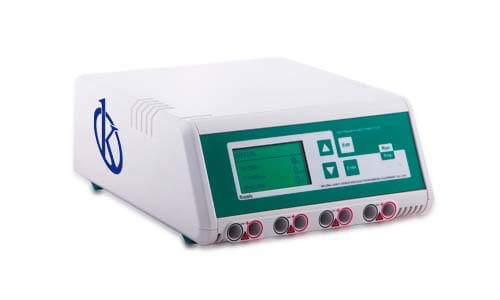
When considering universal power supplies, it is vital to evaluate their costs. This includes the initial purchase price, maintenance costs, and potential savings from increased efficiency. For example, the Universal High Current Power Supply YR03400-2, priced at $423.00, offers features that can reduce operational costs through energy efficiency and reduced downtime.
Comparison of Available Models
| Model | CAPEX (USD) | Cost per Test | Payback (months) | Recommended Scenario |
|---|---|---|---|---|
| YR03400-2 | $423.00 | $1.50 | 12 | High-throughput labs |
| YR03396-2 | $405.00 | $1.45 | 11 | Standard electrophoresis applications |
| YR03395-2 | $496.80 | $1.80 | 14 | Heavy-load operations |
| YR03397-2 | $505.80 | $1.75 | 13 | Flexible testing environments |
| YR03398-2 | $505.80 | $1.75 | 13 | High-energy labs |
| YR03399-2 | $579.60 | $2.00 | 15 | Advanced research settings |
Factors Impacting Cost-Benefit Analysis
Several factors can influence the cost-benefit analysis of universal power supplies. These include energy consumption, maintenance requirements, and the lifespan of the equipment. For instance, models with advanced features, like the YR03396-2, which can store up to 100 electrophoresis methods, might have higher initial costs but offer greater long-term savings through reduced operational friction and efficiency gains.
Calculating the Total Cost of Ownership (TCO)
The total cost of ownership is a vital metric that accounts for the overall costs of a piece of equipment over its entire lifespan. This includes the initial purchase price, maintenance costs, and potential energy costs. For example, calculating the TCO for the YR03400-2 can reveal savings over time when considering its energy-efficient design and durable build.
Energy Efficiency and Its Role in ROI
Energy efficiency plays a crucial role in increasing ROI for laboratories. Universal power supplies such as the YR03395-2 have features that optimize energy usage, thus reducing costs significantly. Understanding the energy consumption of different models can guide laboratories in selecting the most efficient option, which is pivotal for maximizing ROI.
Common Mistakes and How to Avoid Them
Laboratories often make mistakes when selecting universal power supplies. Common errors include underestimating the total cost of ownership, overlooking energy efficiency, and failing to consider future scalability. To avoid these pitfalls, it is essential to conduct thorough research, compare models, and consider long-term operational needs.
Frequently Asked Questions
How does energy efficiency impact the ROI of universal power supplies in laboratories?
Energy efficiency directly influences ROI by lowering operational costs. For instance, models like the YR03396-2 are designed with energy-saving features that can significantly reduce electricity expenses, thus leading to a quicker payback period.
Which universal power supply offers the best cost-benefit ratio for high-throughput labs?
The Universal High Current Power Supply YR03400-2 provides an excellent cost-benefit ratio for high-throughput labs, with a payback period of only 12 months and a competitive price of $423.00, making it ideal for demanding environments.
What are the key factors to consider for TCO in universal power supply selection?
Key factors for TCO include purchase price, maintenance costs, energy consumption, and lifespan. The YR03397-2, for example, offers advanced features that may lead to lower long-term costs despite a higher upfront price.
How can I calculate the payback period for a universal power supply investment?
To calculate the payback period, divide the total cost of the investment by the annual net savings generated. For example, if a universal power supply costs $500 and saves $50 annually, the payback period is 10 months.
Which universal power supply is best for flexible testing environments?
The YR03397-2 is recommended for flexible testing environments due to its adjustable features and robust performance, making it adaptable for various laboratory applications.
What is the importance of energy consumption analysis before purchasing a universal power supply?
Energy consumption analysis helps identify potential savings and operational costs. Selecting energy-efficient models like the YR03396-2 can lead to significant cost reductions over time, enhancing the overall ROI.
How do maintenance costs affect the ROI of laboratory equipment like universal power supplies?
Maintenance costs directly impact ROI since higher maintenance can reduce net savings from equipment. Choosing models with lower maintenance, such as the YR03400-2, can improve ROI by maintaining operational uptime and decreasing repair expenses.
What features should I look for in a universal power supply to enhance operational efficiency?
Look for features such as energy efficiency, programmable settings, and robust safety mechanisms. Models like the YR03395-2 come with advanced functionalities that optimize operations and ensure safety during lab processes.
If you are looking for a fusion of innovation and quality, you have come to the right place. At Kalstein, we offer you the luxury of exploring our exclusive catalog of laboratory equipment. We manufacture every device to the highest standards of excellence. Our intuitive and seamless online purchasing channels are designed for your convenience, securing the most competitive prices. Hesitate no longer — we bring science to life, it is time to become part of our community.