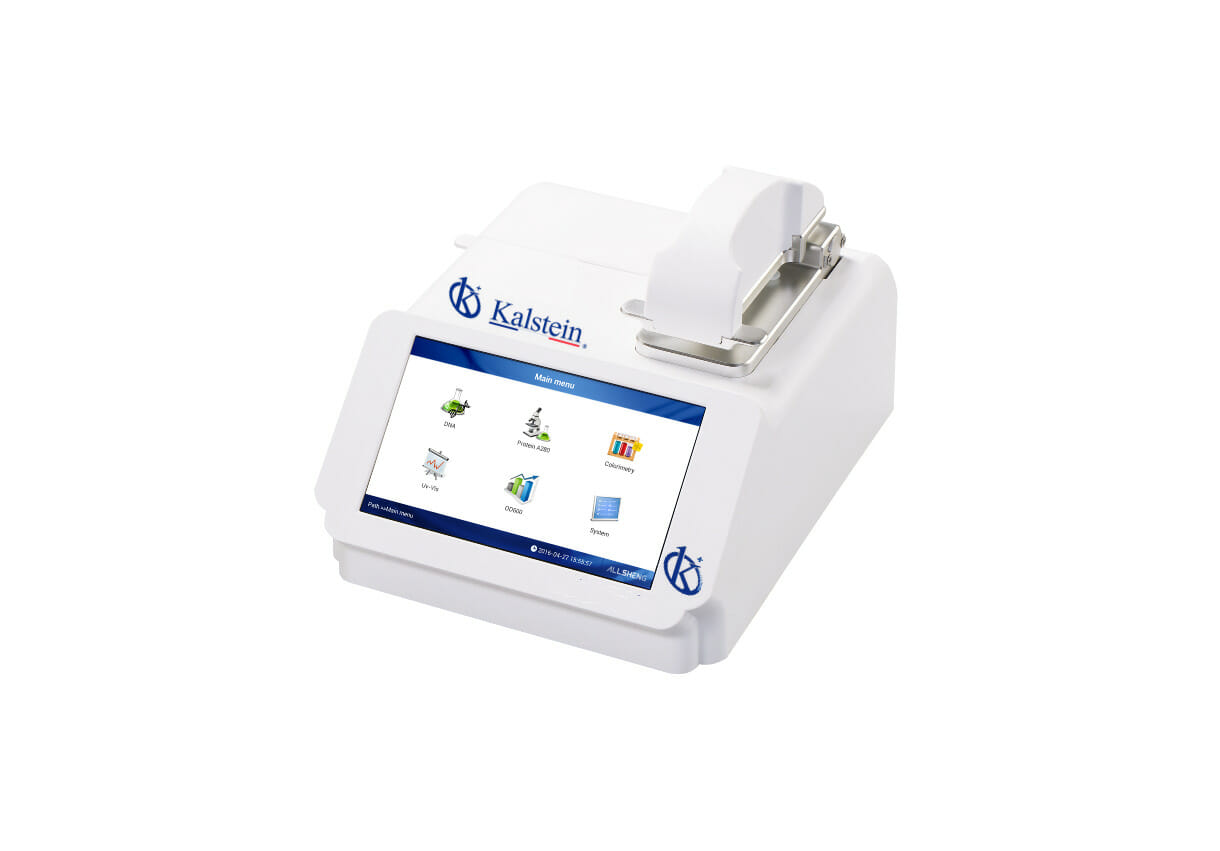
Maximizing ROI and Cost-Benefit Analysis for Micro-Spectrophotometers in Laboratories
In the competitive landscape of laboratory equipment, understanding the return on investment (ROI) and performing effective cost-benefit analyses are crucial for decision-makers. Micro-spectrophotometers represent a significant investment, and their capabilities in quantifying nucleic acids and proteins can lead to substantial efficiencies and cost savings. This article delves into how these devices can be leveraged to optimize laboratory performance while ensuring maximum ROI.
Understanding Micro-Spectrophotometers and Their Value Proposition
Micro-spectrophotometers are essential tools for laboratories that require precise measurement of nucleic acids and proteins. They offer solutions for low-volume samples, which is crucial in applications such as genetics and molecular biology. The ability to measure small quantities (as little as 0.5 μl) can lead to substantial savings on reagents and consumables. In this section, we will discuss the specific advantages of micro-spectrophotometers and how they contribute to laboratory efficiency and cost-effectiveness.
Key Considerations for ROI in Micro-Spectrophotometer Investments
When evaluating micro-spectrophotometers for laboratory use, several factors influence ROI. These include the initial capital expenditure (CAPEX), operational costs (OPEX), and the anticipated payback period. Key specifications such as wavelength range, measurement speed, and detection limits play a vital role in determining the cost per test and overall efficiency. By analyzing these metrics, laboratories can make informed decisions that align with their financial goals.
Comparative Analysis of Micro-Spectrophotometer Models
In this section, we will compare key models of micro-spectrophotometers based on their specifications and potential ROI impact. Understanding the differences in capabilities can assist laboratories in selecting the right model for their needs.
| Model | CAPE (USD) | Cost per Test (USD) | Payback Period (Months) | Recommended Scenario |
|---|---|---|---|---|
| YR06033-1 | 5040.00 | 0.15 | 12 | Genomics labs focusing on nucleic acid quantification. |
| YR06034 | 2520.00 | 0.12 | 10 | Small labs needing basic nucleic acid analysis. |
| YR06035 | 6090.00 | 0.20 | 14 | Advanced research requiring high throughput. |
Common Mistakes and How to Avoid Them
Laboratories often make critical mistakes when selecting micro-spectrophotometers, leading to wasted resources. Common pitfalls include not fully understanding the required specifications, underestimating the importance of user-friendly interfaces, and failing to consider long-term operational costs. To avoid these mistakes, it is essential to conduct thorough evaluations and consult with experts in laboratory equipment.
In-Depth Cost-Benefit Analysis for Micro-Spectrophotometers
To achieve a clearer understanding of the financial implications of micro-spectrophotometer usage, conducting a detailed cost-benefit analysis is necessary. This analysis should include factors such as the cost of reagents, the volume of samples analyzed, and the time saved in operational workflows. Implementing a formula to quantify these elements will provide an empirical basis for investment decisions.
| Parameter | Cost (USD) | Benefit Description |
|---|---|---|
| Reagent Costs | 1000.00 | Cost associated with reagents for a year. |
| Time Savings | 2000.00 | Labor cost savings due to faster measurement times. |
| Sample Volume Utilization | 1500.00 | Reduced costs from minimized waste and sample usage. |
Frequently Asked Questions
What are the key features of micro-spectrophotometers for cost-benefit analysis?
Micro-spectrophotometers like the YR06033-1 offer essential features such as full wavelength range (200-800 nm) and low sample volume (0.5-2.0 μl). These specifications directly translate into cost savings by reducing reagent waste and enhancing efficiency, making them perfect for cost-benefit analysis in laboratories.
How can I determine the ROI of a micro-spectrophotometer in my lab?
To calculate ROI for a micro-spectrophotometer, evaluate the CAPEX, OPEX, and benefits such as reduced reagent costs and time savings. For example, the YR06034 has an initial cost of $2520.00 with anticipated savings in operational workflows, leading to a payback period of around ten months.
What are the operational costs associated with micro-spectrophotometers?
Operational costs for micro-spectrophotometers include reagent expenses, maintenance, and personnel training. For instance, the YR06035, with a price tag of $6090.00, requires consideration of these ongoing costs to establish a complete financial outlook on your laboratory's equipment.
How do micro-spectrophotometers improve laboratory efficiency?
Micro-spectrophotometers enhance laboratory efficiency by enabling rapid sample analysis with minimal volume. Devices like the YR06033-1 can process samples within five seconds, which significantly increases throughput and reduces waiting times for researchers.
Which micro-spectrophotometer is best for high-throughput laboratories?
The YR06035 model is tailored for high-throughput environments, featuring a quick measurement time and the ability to handle a larger sample range. This makes it ideal for laboratories conducting extensive research requiring rapid analyses.
What factors influence the choice of a micro-spectrophotometer for my lab?
Key factors include desired wavelength range, measurement speed, sample volume requirements, and budget constraints. Evaluating models like the YR06034 with its affordability and efficiency can help align your choice with laboratory goals.
How does the micro-spectrophotometer's sample size affect operational efficiency?
The small sample size capability of models such as the YR06034 (1-2 μl) allows labs to conserve resources and reduce costs associated with reagents. This directly translates into improved operational efficiency and less waste over time.
What are the latest innovations in micro-spectrophotometer technology for labs?
Recent advancements include enhanced detection capabilities and user-friendly interfaces, as seen in the YR06035, which integrates Android operating systems for streamlined operations. These innovations support labs in achieving greater efficiency and accuracy in their analyses.
If you are looking for a fusion of innovation and quality, you have come to the right place. At Kalstein, we offer you the luxury of exploring our exclusive catalog of laboratory equipment. We manufacture every device to the highest standards of excellence. Our intuitive and seamless online purchasing channels are designed for your convenience, securing the most competitive prices. Hesitate no longer — we bring science to life, it is time to become part of our community.