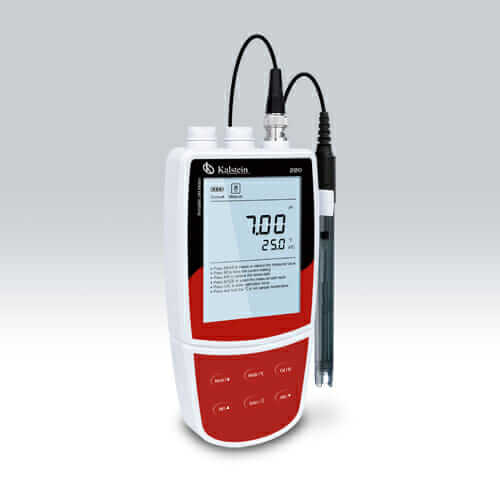
How to Achieve Seamless LIMS Integration with Table pH Meters?
In modern laboratories, the integration of equipment with Laboratory Information Management Systems (LIMS) has become essential for streamlining workflows and enhancing data accuracy. This article focuses on table pH meters, discussing their compatibility with LIMS and the benefits of digital data flow, while reviewing different models available in the market.
Understanding LIMS Integration with Table pH Meters
LIMS integration facilitates the seamless transfer of data from table pH meters to laboratory information systems, reducing manual input errors and improving data traceability. This process ensures that accurate pH measurements are readily available for analysis and reporting, enhancing the overall efficiency of laboratory operations.
Key Benefits of Integrating Table pH Meters with LIMS
Integration provides numerous advantages, including:
- Enhanced Data Accuracy: Automated data entry minimizes human error.
- Real-time Data Availability: Results from table pH meters can be accessed instantly by lab personnel.
- Improved Traceability: All measurements are logged in the LIMS, ensuring compliance with ISO standards.
- Streamlined Workflows: Integration simplifies reporting and analysis processes.
Connectivity Protocols for LIMS Integration
To achieve successful integration, various connectivity protocols can be utilized, including:
- HL7: Commonly used in healthcare environments for interoperability.
- ASTM: A protocol that provides standardized methods for data interchange.
- REST APIs: Facilitate communication between the pH meter and LIMS through web services.
Model Comparison of Table pH Meters for LIMS Integration
| Model | Connectivity | Protocols Supported | Integration Effort | Best For |
|---|---|---|---|---|
| YR0220A | USB | ASTM | Moderate | Standard lab environments |
| YR01822 | Wireless | Bluetooth, USB | Easy | Mobile laboratories |
| YR01825 | USB | ASTM, REST API | High | Advanced research labs |
| YR01823-2 | USB | ASTM | Moderate | Quality control labs |
| YR01823 | Wireless | Bluetooth | Easy | Field testing |
| YR01826 | USB | ASTM | Moderate | General laboratory use |
Common Mistakes and How to Avoid Them
When integrating table pH meters with LIMS, laboratories often encounter several pitfalls. Here are common mistakes and strategies to avoid them:
- Neglecting Compatibility: Always ensure that the pH meter supports the required protocols for seamless integration.
- Inadequate Training: Provide comprehensive training for lab personnel on how to utilize the integration efficiently.
- Failure to Validate Data: Regularly validate data to ensure accuracy and compliance with necessary standards.
Frequently Asked Questions
How can I integrate a table pH meter with LIMS for better data flow?
Integrating a table pH meter like the YR0220A with LIMS can be achieved through USB connectivity using ASTM protocols, which ensures accurate data transfer and enhances workflow efficiency.
What are the advantages of using wireless table pH meters with LIMS?
Wireless models such as the YR01822 facilitate real-time data transfer to LIMS, reducing manual entry errors and providing immediate access to measurements for analysis.
How does the YR01825 support LIMS integration?
The YR01825 offers USB connectivity and supports REST API protocols, making it suitable for advanced research laboratories aiming for an efficient workflow through LIMS integration.
Which table pH meter is best for mobile laboratories integrating with LIMS?
The YR01823 is an excellent choice for mobile laboratories as it supports Bluetooth connectivity, enabling easy integration with LIMS for field testing applications.
What data validation steps should I take for my integrated pH meter and LIMS?
Regular calibration, using traceable standards, and performing systematic audits of data from models like the YR01823-2 can ensure compliance and data integrity within the LIMS.
How frequently should I calibrate table pH meters integrated with LIMS?
Calibration frequency for models like the YR01826 varies by usage but typically should occur every 30 days to maintain accuracy in measurements for LIMS integration.
What costs should I consider for integrating table pH meters with LIMS?
Costs may include initial investment in pH meters like the YR01822, LIMS software licensing fees, and potential training expenses, which should be factored into your overall budget planning.
Conclusion
If you are looking to enhance your laboratory's efficiency through seamless integration of table pH meters with LIMS, consider the different models available and their compatibility with your specific needs. This integration not only improves data accuracy but also streamlines workflows in laboratory settings.
Request a quote on Kalstein Plus today for tailored solutions and innovative laboratory equipment.
If you are looking for a fusion of innovation and quality, you have come to the right place. At Kalstein, we offer you the luxury of exploring our exclusive catalog of laboratory equipment. We manufacture every device to the highest standards of excellence. Our intuitive and seamless online purchasing channels are designed for your convenience, securing the most competitive prices. Hesitate no longer — we bring science to life, it is time to become part of our community.