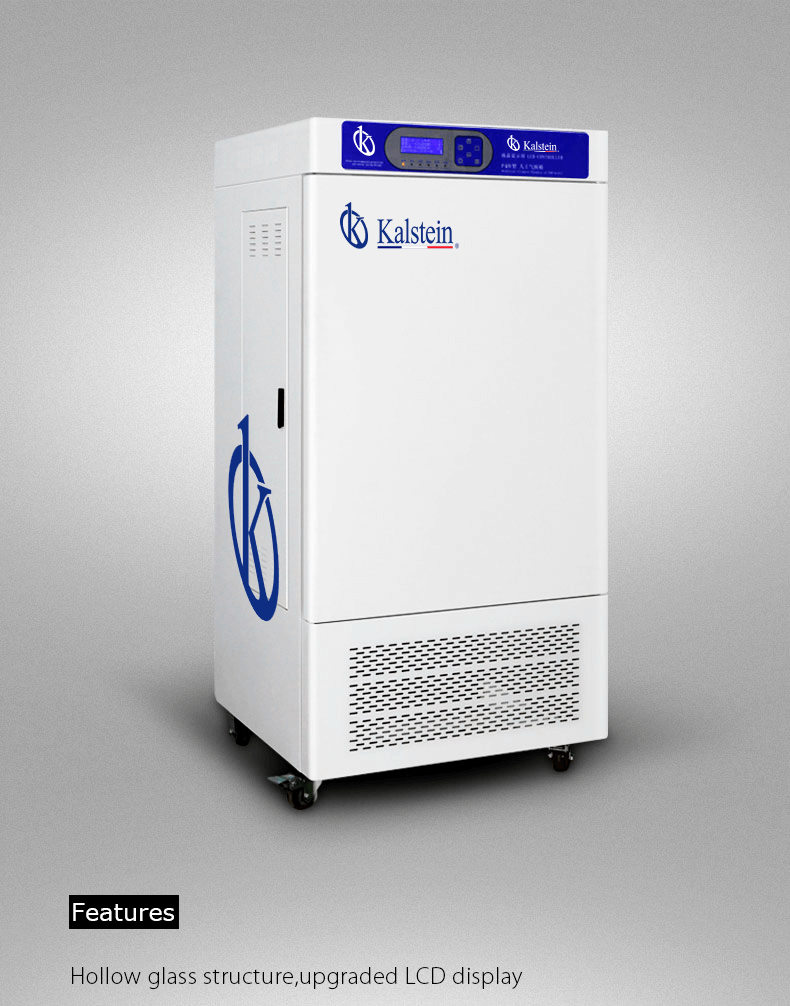
How to Optimize LIMS Integration for Plant Growth Chambers
In modern laboratories focusing on plant growth analysis, the integration of Laboratory Information Management Systems (LIMS) with plant growth chambers has become increasingly vital. This integration streamlines data management, enhances workflow efficiency, and supports various applications ranging from biological research to agricultural testing. This article delves into the benefits, technical specifications, and a comparative analysis of three notable models under the plant growth chamber category, specifically examining their capabilities in relation to LIMS integration.
Understanding LIMS Integration and Its Importance
LIMS integration facilitates the management and interpretation of data produced by plant growth chambers. This process ensures that data generated during experiments is accurately recorded, analyzed, and stored, minimizing human error and enhancing reproducibility. Furthermore, effective LIMS integration allows for real-time data monitoring, which is crucial for maintaining optimal growth conditions in plant research.
Comparison of Available Models
| Model | Temperature Range (°C) | Lighting LX | Power Consumption (W) | Best for |
|---|---|---|---|---|
| YR05331 | 10~50 with lighting, 5~60 without lighting | 0~10000 | 900 | Seed germination, quality testing |
| YR05332 | 10~50 with lighting, 5~60 without lighting | 0~15000 | 1000 | Microbial testing, insect feeding |
| YR05333 | 10~50 with lighting, 5~60 without lighting | 0~15000 | 1200 | Advanced biological experiments |
Benefits of LIMS Integration with Plant Growth Chambers
Integrating LIMS with plant growth chambers presents numerous advantages. Firstly, it provides a centralized database for all experimental data, making it easier to track growth patterns, environmental conditions, and experiment outcomes. Additionally, LIMS can automate data reporting, which reduces the workload on laboratory personnel and ensures that results are communicated promptly and accurately.
Key Connectivity Protocols for LIMS Integration
When integrating LIMS with plant growth chambers, the choice of connectivity protocols is crucial. Common protocols include RESTful APIs, ASTM standards for laboratory data exchange, and HL7 for health-related data interoperability. These protocols ensure seamless communication between the LIMS and the plant growth chambers, enabling real-time data access and management.
Technical Specifications of Plant Growth Chambers
Each model of plant growth chamber comes with distinct technical specifications that can influence the choice of integration. For instance, the YR05331 features a temperature range of 10~50°C with lighting and a maximum power consumption of 900W, making it suitable for moderate scale experiments. In contrast, the YR05333 has a higher lighting capacity and power output, ideal for extensive biological research.
Common Mistakes and How to Avoid Them
One common mistake during LIMS integration is underestimating the complexity of data formats and standards required for seamless operation. To avoid this, laboratories should conduct a thorough analysis of their data needs and compatibility with LIMS systems. Furthermore, it's crucial to ensure that staff are adequately trained on the new systems to maximize their efficiency and minimize errors.
Case Study: Successful LIMS Integration
A case study from a leading agricultural research lab illustrates the successful integration of LIMS with plant growth chambers, enhancing data accuracy and operational efficiency. By using the YR05332 model, the lab was able to effectively monitor environmental conditions and streamline its data collection process, resulting in a 30% increase in productivity within a year.
Frequently Asked Questions
How can LIMS integration improve the data management of plant growth chambers?
LIMS integration enhances data management by automating data collection and analysis from plant growth chambers like the YR05331, ensuring accuracy and real-time monitoring of environmental conditions.
What are the best practices for implementing LIMS with plant growth chambers?
Best practices include conducting a needs assessment, choosing compatible protocols, and providing comprehensive training to staff on using systems like the YR05332 for optimal results.
Which connectivity protocols are most effective for LIMS integration with plant growth chambers?
Effective connectivity protocols include RESTful APIs and ASTM standards, which facilitate data exchange between LIMS and plant growth chambers like the YR05333.
What challenges might arise during LIMS integration with plant growth chambers?
Potential challenges include data format incompatibility and user training needs, which can be mitigated by thorough planning and selecting models like YR05332 with robust integration capabilities.
Can LIMS integration help in compliance with laboratory standards?
Yes, LIMS integration helps maintain compliance by ensuring accurate data logging and reporting, essential for laboratories utilizing models like YR05331 in regulated environments.
How does the power consumption of plant growth chambers influence LIMS integration?
Power consumption, such as 1200W in YR05333, influences the operational costs of running integrated systems. LIMS can help monitor energy usage trends to optimize performance.
What is the impact of real-time data monitoring on plant growth experiments?
Real-time data monitoring, facilitated by LIMS integration, allows for immediate adjustments to environmental conditions in plant growth chambers, optimizing growth outcomes significantly.
How does the cost of plant growth chambers affect LIMS investment decisions?
Investment in plant growth chambers like the YR05332 should consider long-term ROI related to LIMS integration benefits, such as increased throughput and reduced labor costs.
If you are looking for a fusion of innovation and quality, you have come to the right place. At Kalstein, we offer you the luxury of exploring our exclusive catalog of laboratory equipment. We manufacture every device to the highest standards of excellence. Our intuitive and seamless online purchasing channels are designed for your convenience, securing the most competitive prices. Hesitate no longer — we bring science to life, it is time to become part of our community.