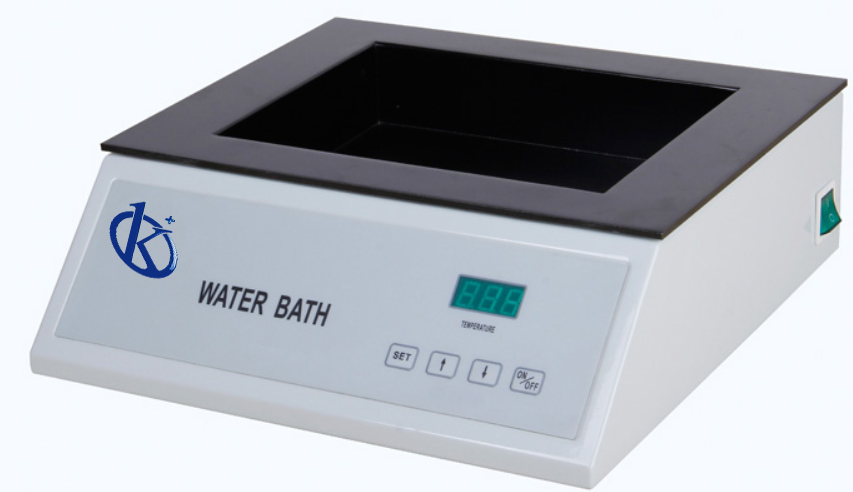
How to Ensure ISO/IEC Compliance with Tissue Water Baths in Laboratories?
Tissue water baths are essential equipment in laboratories, particularly in histopathology and tissue processing. Their effectiveness hinges not only on performance but also on strict adherence to ISO/IEC standards. Compliance with these standards ensures that laboratories maintain high-quality results, effective workflow, and reliable data management. This article delves into the specific ISO/IEC standards relevant to tissue water baths, explores various models, and provides insights on ensuring regulatory compliance.
Understanding ISO/IEC Standards for Laboratory Equipment
To maintain effective laboratory operations, understanding relevant ISO/IEC standards is crucial. Among these, ISO 17025 is the primary standard for testing and calibration laboratories, ensuring consistency in results. It includes requirements for quality management systems, technical competence, and impartiality. Compliance with this standard is essential for laboratories using tissue water baths to ensure precise temperature control and reproducibility in results.
Another relevant standard is IEC 61010, which outlines safety requirements for electrical equipment used in measurement, control, and laboratory applications. Compliance with IEC 61010 ensures that tissue water baths meet safety protocols, minimizing risks to operators while maintaining device integrity.
Key ISO/IEC Compliance Aspects for Tissue Water Baths
To meet ISO/IEC requirements, laboratories must focus on several key aspects when using tissue water baths:
- Temperature Control: Accurate temperature regulation is vital for tissue processing. Models like the Water Bath YR449 provide a temperature range from room temperature to 90°C with a precision of ±1°C.
- Traceability: Documenting temperature readings and calibrations is critical for compliance. Laboratories must maintain records that demonstrate traceability to recognized standards.
- Routine Audits: Conducting regular audits ensures adherence to ISO/IEC standards. This involves checking the functionality of water baths to confirm they operate within specified limits.
Comparison of Available Models
| Model | Temperature Range | Precision | Power (W) | Best for |
|---|---|---|---|---|
| YR449 | RT to 90°C | ±1°C | 200 | General tissue processing |
| YR451 | 0 to 85°C | ±1°C | 400 | High-temperature applications |
| YR452 | RT to 75°C | ±1°C | 500 | Specialized tissue sections |
Ensuring Compliance Through Proper Documentation
Proper documentation forms the backbone of compliance with ISO/IEC standards. Laboratories must maintain accurate records of equipment calibrations, temperature monitoring, and maintenance activities. For models like the YR451 with advanced features such as real-time temperature display, it is imperative to document all operational parameters to ensure traceability and compliance during audits.
Common Mistakes and How to Avoid Them
One of the frequent errors laboratories make is neglecting regular calibration of tissue water baths. Failing to calibrate can lead to inaccurate temperature settings, affecting research outcomes. Another mistake is insufficient record-keeping, which can jeopardize compliance during audits. To avoid these pitfalls, laboratories should establish routine maintenance schedules and utilize digital solutions that streamline documentation processes.
Integrating Tissue Water Baths into Quality Management Systems
Integration of tissue water baths into a laboratory's quality management system is vital for ISO/IEC compliance. This involves standard operating procedures (SOPs) for using the equipment, ensuring staff training, and periodic reviews of the equipment's performance. The Water Bath YR452, for instance, features LED lighting and real-time monitoring, which enhances usability and ensures compliance with procedural protocols.
Energy Consumption and Sustainability Considerations
In today's laboratories, sustainability is a growing concern. Energy-efficient models such as YR449 and YR451 are designed to minimize energy consumption while maintaining optimal performance. Laboratories should assess the energy footprint of their equipment and strive to implement systems that reduce overall consumption and waste.
Frequently Asked Questions
How can I verify ISO 17025 compliance with tissue water baths in my lab?
To verify ISO 17025 compliance, you should regularly calibrate your tissue water baths, such as the YR449, and maintain detailed records of temperature settings and calibration logs. This ensures traceability and demonstrates adherence to quality management standards.
What are the key IEC 61010 safety standards for laboratory equipment?
IEC 61010 outlines safety requirements for electrical equipment, including testing for electrical shock hazards and ensuring protective measures against mechanical hazards. Ensuring your tissue water baths comply with this standard, like the YR451, enhances safety in laboratory operations.
What temperature range is ideal for tissue processing in a laboratory?
The ideal temperature range for tissue processing typically falls between room temperature and 90°C. Models like the YR449 provide this flexibility, ensuring that laboratories can optimize their processes according to specific tissue requirements.
How often should I calibrate my tissue water baths for compliance?
Calibration of tissue water baths should typically be performed at least once a month, or more frequently if used heavily. For example, the YR452 should be calibrated to maintain its precision of ±1°C and ensure compliance with ISO standards.
Which features make the YR451 suitable for high-throughput labs?
The YR451 is equipped with a powerful 400W heating element and a user-friendly digital interface that allows for quick adjustments and monitoring of temperatures. These features make it ideal for labs needing consistent and reliable temperature control in high-throughput settings.
What is the significance of traceability in using tissue water baths?
Traceability in using tissue water baths is essential for verifying compliance with ISO standards. Maintaining detailed records of temperature settings and calibration history, especially with models like the YR449, supports data integrity and reproducibility in experimental results.
Can energy-efficient water baths help reduce laboratory operational costs?
Yes, energy-efficient water baths, such as the YR451, can significantly reduce operational costs by consuming less electricity. This not only lowers utility bills but also aligns laboratory practices with sustainability objectives.
How do I integrate tissue water baths into my laboratory's quality assurance protocols?
Integrating tissue water baths into quality assurance protocols involves creating SOPs for their use, regular training for staff, and maintaining up-to-date documentation for calibration and maintenance. This ensures that equipment like the YR452 operates within compliance guidelines.
If you are looking for a fusion of innovation and quality, you have come to the right place. At Kalstein, we offer you the luxury of exploring our exclusive catalog of laboratory equipment. We manufacture every device to the highest standards of excellence. Our intuitive and seamless online purchasing channels are designed for your convenience, securing the most competitive prices. Hesitate no longer — we bring science to life, it is time to become part of our community.