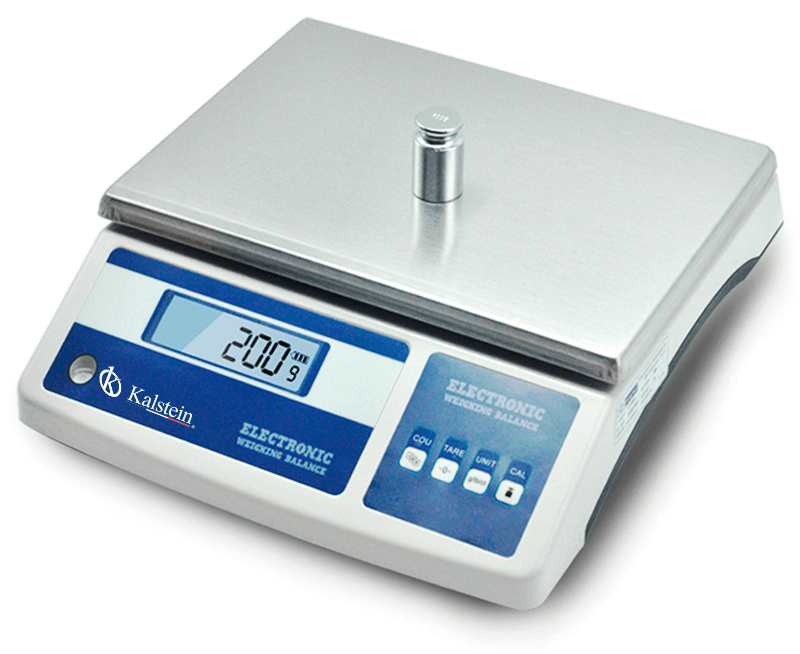
How to Ensure ISO/IEC Compliance with Industrial Balances in Laboratories?
In laboratory settings, compliance with ISO/IEC standards is critical for ensuring accuracy, reliability, and credibility in measurements. Industrial balances play an essential role in this compliance by offering precision in weight measurement, which is necessary for meeting stringent regulatory requirements. This article will explore the relationship between industrial balances and ISO/IEC compliance, detailing how specific models can assist laboratories in adhering to these standards.
Understanding ISO/IEC Standards and Their Importance in Laboratories
ISO (International Organization for Standardization) and IEC (International Electrotechnical Commission) establish international standards that ensure quality, safety, and efficiency across various industries, including laboratories. Compliance with these standards helps laboratories maintain high operational standards and improve reliability in testing and measurement. Specific standards like ISO 17025 and IEC 61010 focus on laboratory competency and safety requirements, respectively.
ISO 17025: Key Requirements for Calibration and Testing Laboratories
ISO 17025 outlines the requirements for the competence of testing and calibration laboratories. It emphasizes the need for accurate measurements and detailed documentation. Industrial balances must meet specific criteria laid out in this standard, including calibration, traceability, and measurement uncertainty. Effective use of industrial balances ensures compliance with these requirements, enhancing the laboratory's credibility in results.
IEC 61010: Safety Standards for Laboratory Equipment
IEC 61010 sets forth safety requirements for electrical equipment used in measurement, control, and laboratory environments. Industrial balances must adhere to these standards to ensure operator safety and reduce risks associated with equipment malfunction. Compliance with IEC 61010 involves regular maintenance and testing of balances to meet operational safety standards.
Comparison of Available Models
| Model | ISO/IEC Clauses Covered | Traceability Features | Best For |
|---|---|---|---|
| YR05606 | ISO 17025, IEC 61010 | Calibration certificate available | General laboratory use |
| YR05607 | ISO 17025, IEC 61010 | Traceable to national standards | Quality control |
| YR05608 | ISO 17025 | Internal calibration | Research applications |
| YR05609 | IEC 61010 | Regular calibration reminders | Industrial environments |
| YR05610 | ISO 17025 | Automatic self-calibration | High precision needs |
| YR05611 | ISO 17025, IEC 61010 | Traceability features available | Laboratory settings |
| YR05612 | ISO 17025 | Manual calibration | Educational use |
| YR05613 | IEC 61010 | Calibration check option | Heavy duty applications |
| YR05614 | ISO 17025, IEC 61010 | Annual certification | Advanced research |
Common Mistakes and How to Avoid Them
Laboratories often make mistakes regarding compliance and usage of industrial balances. Common errors include inadequate calibration, neglecting maintenance schedules, and failing to document processes. To avoid these pitfalls, laboratories should create a rigorous maintenance plan, ensure personnel are trained in ISO/IEC requirements, and maintain accurate records of all measurements and calibrations. Regular audits and updates help in continuously meeting compliance requirements.
Implementing a Calibration Plan for Compliance
Calibration is crucial for ensuring that balances provide accurate measurements. A well-structured calibration plan includes defining calibration intervals, using traceable standards, and documenting all procedures. For instance, some models, such as the YR05610, offer automatic self-calibration, which can ease compliance with ISO 17025. Setting calibration reminders and maintaining equipment logs will help in meeting regulatory expectations.
Importance of Traceability in Laboratory Measurements
Traceability refers to the ability to verify the accuracy of measurements by linking them to recognized standards. This is critical for compliance with ISO 17025. Industrial balances like the YR05607 provide traceability features that help laboratories maintain compliance. Ensuring that every measurement can be traced back to a standard facilitates trust in results and compliance during audits.
Frequently Asked Questions
How do I choose an industrial balance for ISO 17025 compliance?
Choosing an industrial balance like the YR05606 requires evaluating its calibration capabilities, traceability features, and operational safety according to ISO 17025 standards. Ensure it meets the necessary specifications for your laboratory's applications.
What are the key features of compliant industrial balances for IEC 61010?
Compliant industrial balances, such as the YR05609, should have safety features like overload protection, regular maintenance protocols, and robust designs that adhere to IEC 61010 standards, ensuring operator safety and equipment reliability.
How often should I calibrate my industrial balance for compliance?
Calibration frequency depends on usage and environmental factors, but it's recommended to calibrate models like the YR05611 at least annually to meet ISO 17025 requirements. Regular checks ensure continuous accuracy and reliability.
What documentation is required for ISO 17025 compliance regarding balances?
Documentation for ISO 17025 must include calibration records, maintenance logs, and operational procedures for industrial balances like the YR05608. This ensures compliance and provides an audit trail for regulatory requirements.
How can I ensure traceability with my industrial balance?
To guarantee traceability, select models such as YR05612 that offer internal calibration features and maintain records of all calibration against national or international standards, ensuring compliance with ISO 17025.
What are the benefits of using high-precision balances in laboratories?
High-precision balances, such as the YR05610, provide accurate measurements vital for compliance with ISO/IEC standards, enhancing reliability in experimental results and reducing the risk of errors in laboratory processes.
How can I integrate my industrial balance with LIMS for compliance?
Integrating industrial balances like YR05614 with LIMS can streamline recording and tracking measurements, ensuring compliance with standards by automating data management and traceability, enhancing laboratory efficiency.
What role does maintenance play in regulatory compliance for balances?
Regular maintenance is essential for keeping industrial balances like YR05606 operating within specification limits. It helps avoid breakdowns and ensures compliance with ISO/IEC standards, protecting laboratory integrity.
If you are looking for a fusion of innovation and quality, you have come to the right place. At Kalstein, we offer you the luxury of exploring our exclusive catalog of laboratory equipment. We manufacture every device to the highest standards of excellence. Our intuitive and seamless online purchasing channels are designed for your convenience, securing the most competitive prices. Hesitate no longer — we bring science to life, it is time to become part of our community.