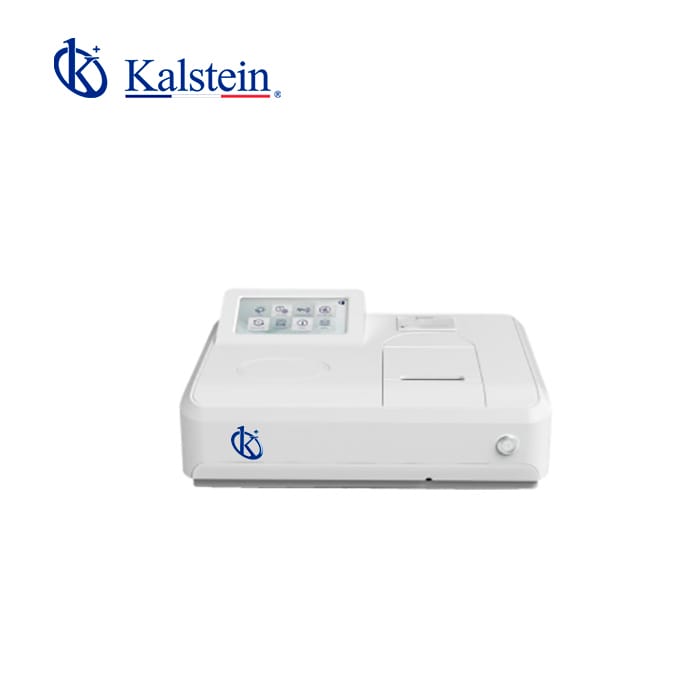
How to Ensure ISO/IEC Compliance with COD/BOD Analyzers in Laboratories
In today’s laboratory environment, adherence to ISO/IEC standards is not just a strategic advantage but a regulatory necessity. COD (Chemical Oxygen Demand) and BOD (Biochemical Oxygen Demand) analyzers play a crucial role in environmental monitoring and quality control. This article delves into the essential ISO/IEC compliance standards that laboratories must consider when selecting COD/BOD analyzers, providing an in-depth comparison of available models, insights on common pitfalls, and how to ensure efficient laboratory operations.
The Significance of ISO/IEC Compliance in Laboratory Settings
Compliance with ISO/IEC standards is essential for laboratories to ensure the accuracy, reliability, and validity of their results. ISO/IEC 17025, for example, sets the standard for testing and calibration laboratories, ensuring that they operate competently and produce valid results. This compliance not only enhances laboratory credibility but is often required for regulatory approvals and funding.
ISO/IEC Standards Relevant to COD/BOD Analyzers
Several ISO/IEC standards are particularly relevant to COD/BOD analyzers:
- ISO 17025: This standard outlines the general requirements for the competence of testing and calibration laboratories, focusing on quality management, technical competence, and consistent operations.
- ISO 6060: This standard specifically addresses the determination of the chemical oxygen demand (COD) in water and wastewater, providing the methodology that must be followed.
- IEC 61010: This standard relates to the safety requirements for electrical equipment used in measurement, control, and laboratory use.
Comparison of Available Models
| Model | ISO/IEC Clauses Covered | Traceability Features | Best For |
|---|---|---|---|
| YR06295 | ISO 17025, ISO 6060 | Automatic calibration, integrated standard curve | High-throughput labs |
| YR06296 | ISO 17025, IEC 61010 | Multiple calibration points, user-defined curves | Field testing, portable operations |
| YR06297 | ISO 17025 | Real-time data logging, historical data retrieval | Long-term monitoring |
| YR06298 | ISO 17025 | Pre-set digestion programs, precision temperature control | Versatile laboratory environments |
How Each Model Meets ISO/IEC Standards
YR06295: Advanced COD Analyzer
The COD Analyzer YR06295 meets ISO 17025 standards through its rigorous automatic calibration and integrated standard curve features, ensuring the accuracy required in laboratory settings. With its ability to provide direct concentration readings without the need for blank calibration, it significantly optimizes workflow and minimizes human error.
YR06296: Portable Solution
The COD Analyzer Portable YR06296 is designed for field applications and adheres to IEC 61010 safety standards, ensuring operator protection. Its user-friendly interface and multiple calibration points make it suitable for environments where flexibility and ease of use are paramount.
YR06297: BOD Analyzer Excellence
The BOD Analyzer YR06297 utilizes a mercury-free method in compliance with ISO 17025, featuring six independent analysis channels for precise real-time results. This model is ideal for facilities requiring consistent monitoring without constant supervision, thanks to its automation capabilities.
YR06298: Comprehensive Digestion Instrument
The Digestion Instrument YR06298 is equipped to meet ISO 17025 compliance through its precise temperature control and multiple pre-set digestion programs. This adaptability ensures that various laboratory protocols can be followed efficiently while maintaining rigorous standards.
Common Mistakes and How to Avoid Them
When aiming for ISO/IEC compliance in laboratories using COD/BOD analyzers, common mistakes can lead to significant issues. Here are some pitfalls and ways to address them:
- Ignoring Regular Calibration: Ensure all analyzers, like the YR06295, are regularly calibrated to avoid drift in measurements.
- Insufficient Staff Training: Proper training on compliance standards and analyzer operations can prevent many errors. Utilize the user-friendly interfaces of models like YR06296 to facilitate learning.
- Neglecting Documentation: Proper record-keeping is vital for compliance. Use features in the YR06297 that allow automatic data logging to maintain thorough documentation.
Frequently Asked Questions
What are the key ISO standards for COD/BOD analyzers in laboratories?
The key ISO standards include ISO 17025, which governs laboratory competence, and ISO 6060, which covers the determination of COD. Compliance with these standards is critical for obtaining reliable results with analyzers like the YR06295.
How does the YR06296 ensure compliance with IEC standards?
The YR06296 adheres to IEC 61010 safety requirements, ensuring that the equipment is safe for laboratory use. This is crucial for mobile operations where the analyzer may be exposed to varying conditions.
What traceability features are important in COD/BOD analyzers?
Key traceability features include automatic calibration, integrated standard curves, and real-time data logging, as provided by models like the YR06297, which enhance compliance with ISO 17025.
How can I maintain ISO compliance with my COD/BOD analyzers?
To maintain ISO compliance, regular calibration and thorough documentation are essential. Utilizing the automation features of the YR06298 can help streamline compliance processes effectively.
What advantages does the YR06295 offer for high-throughput labs?
The YR06295 offers advantages like automated measurements and simplified procedures, ensuring compliance with ISO standards while maximizing throughput in busy laboratory environments.
Which model is best for field testing of COD?
The YR06296 is the best choice for field testing due to its portability and IEC compliance, making it suitable for various environmental conditions while still delivering accurate results.
How can I ensure my laboratory meets ISO 17025 standards?
To ensure compliance with ISO 17025, laboratories must implement rigorous quality management systems and maintain equipment like the YR06295 within specified tolerances.
What are the common errors in using COD/BOD analyzers?
Common errors include neglecting calibration and insufficient training. Utilizing features in models like the YR06297 can mitigate these risks through automation and user-friendly interfaces.
If you are looking for a fusion of innovation and quality, you have come to the right place. At Kalstein, we offer you the luxury of exploring our exclusive catalog of laboratory equipment. We manufacture every device to the highest standards of excellence. Our intuitive and seamless online purchasing channels are designed for your convenience, securing the most competitive prices. Hesitate no longer — we bring science to life, it is time to become part of our community.