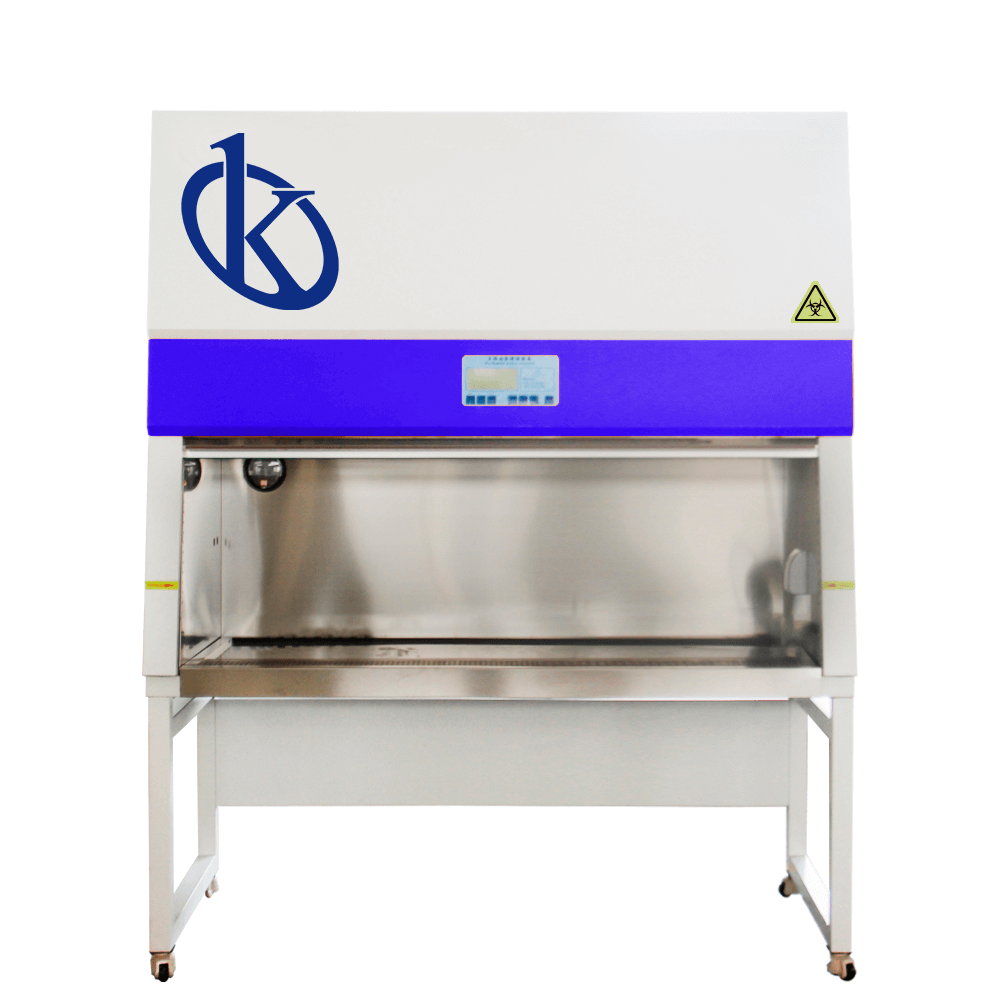
How to Ensure ISO/IEC Compliance with Class II Biosafety Cabinets
In today’s laboratory environment, ensuring compliance with ISO/IEC standards is paramount for operational success. Class II Biosafety Cabinets play a vital role in maintaining a sterile workspace while safeguarding both the operator and the samples. These cabinets are designed to provide a controlled airflow and contain hazardous agents, making them essential for various laboratory applications. This article will delve into how each model of Class II Biosafety Cabinets contributes to meeting specific ISO/IEC compliance requirements, enabling laboratories to operate within the highest safety standards.
Understanding ISO/IEC Standards and Their Importance in Laboratories
ISO/IEC standards are crucial benchmarks that ensure quality, safety, and efficiency in laboratory operations. Compliance with these standards helps laboratories minimize risks, improve operational procedures, and enhance the reliability of test results. Key standards relevant to laboratory environments include ISO 17025, which outlines the requirements for laboratory competence, and IEC 61010, which addresses the safety of electrical equipment used in measurement and control. Class II Biosafety Cabinets are instrumental in adhering to these standards by providing a controlled environment that reduces contamination risks.
Specific ISO/IEC Clauses and Relevant Class II Biosafety Cabinets
Various ISO/IEC clauses dictate laboratory operations, particularly concerning safety and environmental control. For instance, ISO 17025 mandates that laboratories maintain a clean and controlled environment to ensure accurate testing. Class II Biosafety Cabinets, such as the YR05704 and YR05270, are designed to meet these requirements by providing high-efficiency particulate air (HEPA) filtration, ensuring that the air quality remains within acceptable limits. These cabinets are crafted to facilitate the safe handling of biological materials while minimizing exposure to hazardous agents.
Comparison of Available Models
| Model | ISO/IEC Clauses Covered | Traceability Features | Best For |
|---|---|---|---|
| YR05704 | ISO 17025, IEC 61010 | Integrated monitoring systems | General lab work, microbiology |
| YR05705 | ISO 17025, IEC 61010 | Data logging capabilities | Pathogen handling |
| YR05706 | ISO 17025 | Traceable performance metrics | Tissue culture |
| YR0090-A | ISO 17025 | Alert systems for airflow | Cell biology |
| YR05270 | ISO 17025 | Continuous air quality monitoring | Biological research |
| YR05271 | ISO 17025 | Performance tracking features | Environmental testing |
Common Mistakes and How to Avoid Them
Laboratories often make critical mistakes when implementing ISO/IEC standards regarding biosafety and equipment use. One common oversight is neglecting to calibrate equipment, which can lead to non-compliance. For example, failing to regularly check the airflow rates in a Class II Biosafety Cabinet such as the YR05705 can result in inaccurate test results. It's essential to establish a routine maintenance schedule to ensure compliance and operational efficiency. Additionally, labs should ensure that staff are adequately trained on the use of biosafety cabinets to prevent contamination and maintain safe working conditions.
The Role of Class II Biosafety Cabinets in Risk Assessment
Risk assessment is a fundamental component of laboratory safety protocols. Class II Biosafety Cabinets are designed to mitigate various risks associated with handling biological materials. For instance, the YR05270 model features advanced HEPA filtration, which captures approximately 99.995% of airborne particles, thus minimizing the risk of exposure to personnel and the surrounding environment. Conducting a thorough risk assessment can help laboratories identify potential hazards and determine the appropriate biosafety level (BSL) necessary for specific operations.
Documentation Requirements for ISO/IEC Compliance
To maintain ISO/IEC compliance, laboratories must adhere to stringent documentation requirements. This includes maintaining records of equipment calibration, maintenance logs, and incident reports. Each model of Class II Biosafety Cabinets, such as the YR05706, comes with specific documentation to facilitate compliance. Laboratories should implement a robust document control system to ensure that all required records are easily accessible and up to date, as this is critical during audits.
Energy Efficiency and Sustainability in Class II Biosafety Cabinets
Sustainability has become an essential consideration in laboratory design and operation. Class II Biosafety Cabinets like the YR05271 are designed with energy-efficient components that help reduce overall energy consumption. These cabinets come with features such as low-power fans and LED lighting, which contribute to lower operating costs without compromising performance. Evaluating the energy consumption of biosafety cabinets can help laboratories develop sustainability initiatives and meet organizational goals.
Frequently Asked Questions
How does the YR05704 model ensure compliance with ISO 17025?
The YR05704 model is designed with features that align with ISO 17025 requirements, including HEPA filtration and airflow monitoring systems. This ensures that the cabinet maintains controlled airflow and minimizes contamination, which is crucial for compliance.
What are the traceability features of the YR05270 biosafety cabinet?
The YR05270 model includes continuous air quality monitoring and data logging capabilities that enhance traceability. This allows laboratories to ensure compliance with ISO standards and maintain a safe working environment.
Which Class II Biosafety Cabinet is best for pathogen handling?
The YR05705 model is particularly well-suited for pathogen handling due to its integrated data logging capabilities and advanced filtration system, ensuring a sterile environment and compliance with relevant safety standards.
What is the impact of airflow rates on laboratory safety standards?
Airflow rates are critical in maintaining the safety of laboratory environments. Class II Biosafety Cabinets like the YR05706 ensure that airflow rates meet ISO standards, reducing the risk of contamination and providing a safe workspace.
How can I ensure my biosafety cabinet adheres to IEC 61010 standards?
To meet IEC 61010 standards, it is essential to choose a Class II Biosafety Cabinet like the YR0090-A that incorporates safety features such as integrated alarm systems and complies with electrical safety regulations.
What maintenance practices improve the compliance of Class II Biosafety Cabinets?
Regular calibration, filter replacements, and airflow checks are vital maintenance practices that enhance compliance. For instance, maintaining the YR05271 model according to its service schedule ensures optimal performance and adherence to safety standards.
How does the YR05704 model compare to other biosafety cabinets in terms of compliance?
The YR05704 model offers advanced compliance features such as real-time monitoring and HEPA filtration, making it comparable to other high-end biosafety cabinets while ensuring alignment with ISO/IEC standards.
What are the benefits of integrating biosafety cabinets with laboratory information management systems?
Integrating biosafety cabinets, like the YR05270, with laboratory information management systems (LIMS) enhances data management and traceability, ensuring compliance with ISO standards and improving operational efficiency.
If you are looking for a fusion of innovation and quality, you have come to the right place. At Kalstein, we offer you the luxury of exploring our exclusive catalog of laboratory equipment. We manufacture every device to the highest standards of excellence. Our intuitive and seamless online purchasing channels are designed for your convenience, securing the most competitive prices. Hesitate no longer — we bring science to life, it is time to become part of our community.