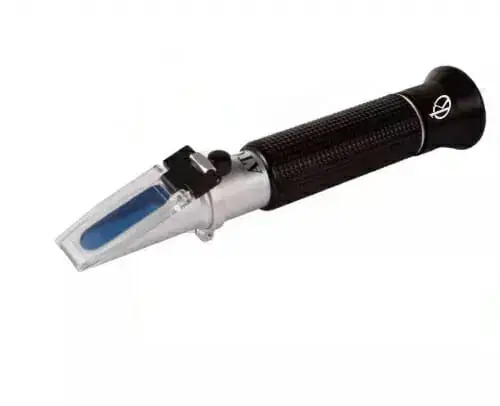
How to Ensure Compliance with ISO/IEC Standards Using Car Refractometers?
In laboratory environments, achieving compliance with ISO/IEC standards is crucial for ensuring accuracy, reliability, and safety in measurements. Car refractometers serve as essential tools in this quest, allowing for precise determination of the refractive index of automotive fluids, which is vital for maintaining optimal operating conditions. This article delves into how these instruments can aid laboratories in meeting various ISO/IEC standards, emphasizing best practices and model comparisons.
Understanding ISO/IEC Standards Relevant to Car Refractometers
ISO/IEC standards provide a framework for quality assurance and operational efficiency in laboratories. Among these, ISO 17025 outlines the general requirements for the competence of testing and calibration laboratories, while IEC 61010 specifies safety requirements for electrical equipment. Car refractometers, such as the YR05916 and YR05917 models, play a pivotal role in ensuring compliance by providing accurate measurements necessary for quality control in automotive fluids.
Compliance with these standards necessitates thorough documentation, calibration, and traceability of measurements, which can be efficiently managed using car refractometers equipped with Automatic Temperature Compensation (ATC).
Comparison of Available Models
| Model | ISO/IEC Clauses Covered | Traceability Features | Best For |
|---|---|---|---|
| YR05916 | ISO 17025 | Calibrated against certified standards | Ethylene glycol concentration testing |
| YR05917 | ISO 17025 | Integrated calibration records | Propylene glycol concentration testing |
| YR05918 | IEC 61010 | Safety certification documentation | Windshield washer fluid testing |
| YR05919 | ISO 17025 | Traceable calibration protocols | General automotive fluid analysis |
| YR05920 | IEC 61010 | Safety compliance indicators | Specific gravity measurement |
| YR05921 | ISO 17025 | Documented calibration history | Multi-fluid testing |
The Role of Calibration in Compliance
Calibration is a fundamental component of ensuring compliance with ISO/IEC standards. Regular calibration of car refractometers, such as the YR05916 and YR05919, ensures measurement accuracy and traceability to national or international standards. This process helps laboratories maintain confidence in their results while adhering to the requirements outlined in ISO 17025.
For instance, the YR05916 model, with its built-in ATC feature, provides automatic adjustments during temperature fluctuations, thus ensuring precise readings that are compliant with ISO 17025 requirements.
Documentation Requirements for ISO/IEC Compliance
ISO/IEC standards emphasize the importance of thorough documentation in maintaining compliance. This includes records of calibration, maintenance, and operational procedures. Car refractometers should have a clear documentation trail that includes calibration dates, results, and any corrective actions taken. Models like YR05917 and YR05920 come with integrated software that can assist in tracking this information efficiently.
Traceability in Measurements: Ensuring Accurate Results
Traceability is another critical aspect of meeting ISO/IEC standards. It ensures that measurement results can be consistently reproduced and validated. Car refractometers, particularly the YR05918 and YR05921, are designed to provide traceable results through standardized calibration procedures. This traceability helps laboratories satisfy the requirements of ISO 17025, fostering confidence in their testing processes.
Common Mistakes and How to Avoid Them
Laboratories often make common mistakes that hinder compliance with ISO/IEC standards. These include neglecting regular calibration, failing to maintain adequate documentation, and overlooking traceability in measurements. To avoid these pitfalls, laboratories should implement a strict maintenance schedule for their car refractometers, ensure proper recording of calibration results, and regularly audit their compliance procedures.
Frequently Asked Questions
How do car refractometers ensure ISO 17025 compliance in automotive fluid testing?
Car refractometers, such as the YR05916, ensure ISO 17025 compliance by providing accurate, traceable measurements. They are calibrated against certified standards and maintain a documented calibration history, which is essential for meeting the requirements of this standard.
What calibration protocols should be followed for car refractometers?
Calibration protocols for car refractometers like the YR05919 should involve regular checks against known standards. These protocols ensure accuracy and traceability, aligning with ISO/IEC standards for laboratory equipment.
Which features enhance the traceability of car refractometers?
Features that enhance traceability include integrated calibration records and compliance with ISO 17025 standards. Models like the YR05917 offer detailed documentation of calibration history, crucial for maintaining traceability.
How can laboratories track compliance with IEC 61010 using car refractometers?
Laboratories can track compliance with IEC 61010 by ensuring that their car refractometers, such as the YR05918, meet safety requirements outlined in the standard, which includes maintaining safety documentation and performing regular checks.
What are the common pitfalls in using car refractometers for regulatory compliance?
Common pitfalls include neglecting documentation and calibration schedules. Using models like YR05920, which have built-in tracking features, can significantly help in avoiding these issues.
What is the importance of ATC in car refractometers for compliance?
Automatic Temperature Compensation (ATC) is crucial for compliance as it ensures accurate readings despite temperature fluctuations. Models like the YR05921 utilize ATC to maintain precision, which is essential for meeting ISO 17025 standards.
How often should car refractometers be calibrated to meet ISO standards?
Car refractometers should be calibrated at least annually, or more frequently depending on the usage frequency and manufacturer's recommendations. This ensures ongoing compliance with ISO standards.
What documentation is needed for ISO compliance in laboratory measurements?
Essential documentation includes calibration records, maintenance logs, and test results. This information is vital for demonstrating compliance with ISO/IEC standards and can be efficiently managed using models like YR05916.
If you are looking for a fusion of innovation and quality, you have come to the right place. At Kalstein, we offer you the luxury of exploring our exclusive catalog of laboratory equipment. We manufacture every device to the highest standards of excellence. Our intuitive and seamless online purchasing channels are designed for your convenience, securing the most competitive prices. Hesitate no longer — we bring science to life, it is time to become part of our community.