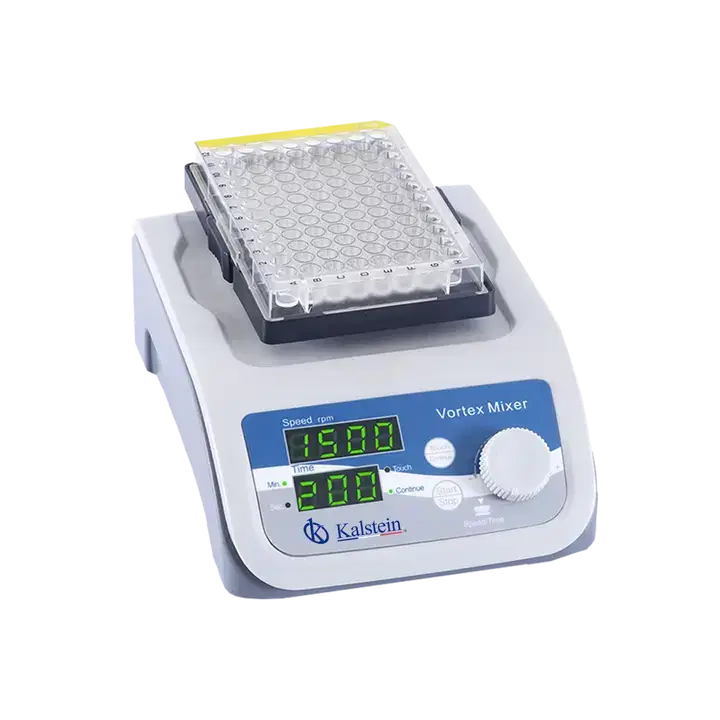
Interpreting Results and Reading Measurements with the YR06047-1 Vortex Mixer
The YR06047-1 Vortex Mixer is a versatile laboratory instrument designed to facilitate the rapid and thorough mixing of samples. Understanding how to interpret results and read measurements effectively is crucial for optimizing its use and ensuring accurate lab outcomes.
Understanding the Importance of Accurate Measurements
Accurate measurements are essential in laboratory settings as they form the basis for reliable data interpretation and decision-making. The YR06047-1 Vortex Mixer aids in achieving homogeneity in samples, which is vital for obtaining consistent results across experiments.
When using the YR06047-1, operators must be aware of how mixing speed and duration can affect sample integrity and measurement outcomes. Variables such as sample viscosity, temperature, and the type of container used can also influence results. Proper calibration and understanding of these factors are key to successful measurements.
Technical Specifications of the YR06047-1 Vortex Mixer
| Model | Brand | Category | Subcategory | Price (USD) | Weight (Gross) | Dimensions | Package Size |
|---|---|---|---|---|---|---|---|
| YR06047-1 | Kalstein | Vortex Mixer | Accessories | $8.50 | 0 kg | x x | 0 x 0 x 0 |
Reading Measurements on the YR06047-1 Display
The YR06047-1 Vortex Mixer features an intuitive display that provides vital information, including speed settings and operational status. Understanding how to interpret this display is essential for ensuring optimal usage.
For instance, the speed setting directly influences the mixing efficacy. A higher speed may be required for more viscous samples, while lower speeds are ideal for delicate solutions. Operators must consult the user manual to determine appropriate settings based on their specific application.
Common Misinterpretations in Measurement Results
Operators may face challenges in interpreting results, leading to misjudgments and inaccurate conclusions. One common issue is assuming that a uniform appearance in a mixed sample signifies uniform composition. However, this is not always the case, as some components may remain undissolved or unevenly distributed.
An example of such misinterpretation is when measuring biochemical assays that require precise dilutions. A user might overlook the importance of consistent mixing, which could compromise the results. It is crucial to reaffirm that visual inspection is not a substitute for analytical measurement.
Worked Examples of Measurement Interpretation
To solidify the understanding of result interpretation, it is beneficial to examine specific examples. For instance, if a sample mixed with the YR06047-1 shows variable readings across multiple tests, this may indicate inadequate mixing. Conversely, consistent readings suggest a successful mixing process.
Another example could involve interpreting dilution factors in a series of samples prepared using the YR06047-1. If a user calculates a dilution of 1:10 but fails to mix thoroughly, the actual concentration may be significantly higher or lower than calculated.
Best Practices for Using the YR06047-1 for Accurate Measurements
To ensure accurate measurements when using the YR06047-1, follow these best practices:
- Always calibrate the mixer according to the manufacturer's guidelines before use.
- Use appropriate containers to minimize the risk of spillage and ensure effective mixing.
- Monitor the mixing time and speed to achieve the desired sample consistency.
- Perform control tests to validate measurement accuracy regularly.
Frequently Asked Questions
How does sample viscosity affect the mixing efficiency of the YR06047-1?
Higher viscosity samples require more time and potentially higher speed settings to achieve thorough mixing. Adjusting these parameters accordingly is essential to ensure uniformity in sample preparation.
What are common mistakes when interpreting measurements from the YR06047-1?
Common mistakes include misjudging sample homogeneity based on visual appearance alone and neglecting to consider the impact of mixing speed on the final results.
Can I use the YR06047-1 for all types of samples?
The YR06047-1 is versatile but may not be suitable for highly delicate or volatile samples that could be damaged by vigorous mixing. Always refer to the manufacturer's guidelines for specific recommendations.
What should I do if the YR06047-1 does not mix evenly?
If uneven mixing occurs, check the speed settings, mixing duration, and sample properties. Adjust these factors and rerun the mixing process to obtain better results.
How can I ensure consistent results when using the YR06047-1?
To ensure consistency, follow standard operating procedures for sample preparation, including consistent mixing times, speeds, and using the same type of containers for each experiment.
Are there any specific guidelines for cleaning the YR06047-1 after use?
Cleaning guidelines typically involve using appropriate solvents that are compatible with the materials of the mixer. Ensure that all residues are removed to prevent cross-contamination between samples.
How often should I calibrate the YR06047-1 to ensure accurate measurements?
Calibration frequency depends on usage; however, it is recommended to calibrate before significant experiments or at regular intervals to maintain measurement accuracy.
If you are looking for a fusion of innovation and quality, you have come to the right place. At Kalstein, we offer you the luxury of exploring our exclusive catalog of laboratory equipment. We manufacture every device to the highest standards of excellence. Our intuitive and seamless online purchasing channels are designed for your convenience, securing the most competitive prices. Hesitate no longer — we bring science to life, it is time to become part of our community.