Integrating Wine Refractometers with LIMS for Enhanced Data Flow
The integration of laboratory equipment with Laboratory Information Management Systems (LIMS) is essential for optimizing workflow and improving data accuracy in the wine industry. Wine refractometers serve as a pivotal tool for measuring the sugar content in grape juice and must, offering insights into fermentation processes and wine quality. This article delves into how these instruments can be integrated with LIMS to streamline data flow and enhance operational efficiency in laboratories.
Understanding Wine Refractometers and Their Role in Laboratories
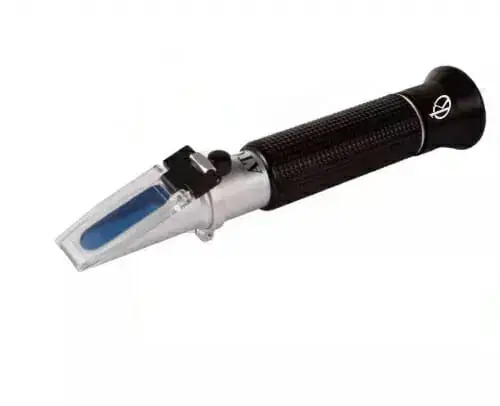
Wine refractometers are sophisticated devices designed to measure the refractive index of wine, which correlates to its sugar content and potential alcohol levels. These instruments are crucial in the wine production process, allowing producers to monitor fermentation and ensure quality control. Equipped with Automatic Temperature Compensation (ATC), wine refractometers can deliver accurate readings despite fluctuating temperatures, an important feature for laboratory settings.
Importance of LIMS Integration
LIMS integration is vital for modern laboratories that seek to enhance data management practices. By linking wine refractometers to a LIMS, laboratories can automate data entry, reduce human errors, and ensure compliance with industry standards. This integration supports real-time data access, allowing for timely decision-making and workflow optimization.
Models of Wine Refractometers and Their Specifications
Several models of wine refractometers cater to different laboratory needs. Below are the key specifications and features of these models:
| Model Code | Description | Measurement Range | Min. Division | Precision | ATC | Best For |
|---|---|---|---|---|---|---|
| YR05931 | Alcohol refractometer 0~80% v/v | 0-80% v/v | 1% v/v | ±1% v/v | No | Basic alcohol measurements |
| YR05932 | Wine refractometer 0-25% Vol 0-40% Brix | 0-25% Vol 0-40% Brix | 0.2% Vol 0.2% Brix | ±0.2% Vol ±0.2% Brix | Yes (10-30°C) | Standard wine production |
| YR05933 | Wine refractometer 0-25% Vol 0-170° Oe | 0-25% Vol 0-170° Oe | 0.2% Vol 1° Oe | ±0.2% Vol ±1° Oe | Yes (10-30°C) | High precision measurements |
| YR05934 | Wine refractometer 0-22° Baume 0-25% Vol 0-40% Brix | 0-20° Baume 0-25% Vol | 0.2° Baume 0.2% Vol | ±0.2° Baume ± | Yes (10-30°C) | Quality control |
| YR05935 | Advanced wine refractometer | 0-25% Vol 0-40% Brix | 0.2% Vol 0.2% Brix | ±0.2% Vol ±0.2% Brix | Yes (10-30°C) | Specialized applications |
| YR05936 | Professional wine refractometer | 0-25% Vol 0-40% Brix | 0.2% Vol 0.2% Brix | ±0.2% Vol ±0.2% Brix | Yes (10-30°C) | Industry-standard testing |
Benefits of Integrating Wine Refractometers with LIMS
Integrating wine refractometers with LIMS offers multiple benefits:
- Data Accuracy: Automation reduces manual errors.
- Real-Time Analysis: Access to immediate data for quick decision-making.
- Regulatory Compliance: Streamlined reporting for quality assurance.
Technical Considerations for LIMS Integration
When considering LIMS integration, laboratories must focus on several key technical aspects:
- Connectivity: Ensure the refractometer supports required connectivity protocols (e.g., USB, Ethernet).
- Data Protocols: Choose LIMS that can interpret and handle the data output from the refractometer.
- Validation: Implement a validation process to ensure data integrity during transfer.
Common Mistakes and How to Avoid Them
Laboratories often encounter pitfalls during the integration process. Common mistakes include:
- Neglecting Training: Staff should be trained on using both the refractometer and the LIMS.
- Ignoring Calibration: Regular calibration of refractometers is critical to maintain accuracy.
- Underestimating Data Migration: Plan for a comprehensive data migration strategy to ensure smooth integration.
Frequently Asked Questions
How can I effectively integrate a wine refractometer with a LIMS?
Integrating a wine refractometer, such as the YR05932, with a LIMS involves ensuring compatible connectivity and data protocols. This ensures accurate data transfer and supports compliance with industry standards.
What is the measurement accuracy of the YR05934 wine refractometer?
The YR05934 wine refractometer offers a precision of ±0.2° Baume, making it suitable for rigorous quality control processes in laboratories, especially when integrated with a LIMS for data management.
Can LIMS help in reducing human errors in wine production measurements?
Yes, by automating data entry and reporting, a LIMS can significantly reduce human errors. For instance, integrating the YR05931 model can streamline operational efficiency and enhance data accuracy.
What are the connectivity protocols required for LIMS integration of refractometers?
Common connectivity protocols include USB and Ethernet. Ensuring the wine refractometer supports these connections will facilitate smooth integration with LIMS like those used for YR05932 and YR05933 models.
How often should I calibrate my wine refractometer?
Calibration frequency depends on usage intensity. Typically, calibrating the YR05935 refractometer before each use or weekly is recommended to maintain accuracy in measurements.
What are the best practices for maintaining data integrity during integration?
Implementing a validation process and regular checks will help maintain data integrity. It's crucial for laboratories using models like YR05934 to ensure seamless data handling with their LIMS.
What role does Automatic Temperature Compensation play in wine refractometers?
Automatic Temperature Compensation (ATC) ensures reliable readings by adjusting the measurement based on ambient temperature variations, crucial for models such as YR05932 during fluctuating lab conditions.
How can I minimize operational costs with LIMS-integrated refractometers?
By automating data handling and reducing manual errors, LIMS-integrated refractometers can lower operational costs. Utilizing models like YR05933 can enhance cost efficiency through efficient data management.
If you are looking for a fusion of innovation and quality, you have come to the right place. At Kalstein, we offer you the luxury of exploring our exclusive catalog of laboratory equipment. We manufacture every device to the highest standards of excellence. Our intuitive and seamless online purchasing channels are designed for your convenience, securing the most competitive prices. Hesitate no longer — we bring science to life, it is time to become part of our community.