How to Integrate Histopathology Consumables with LIMS for Enhanced Data Flow?
Integrating histopathology consumables with Laboratory Information Management Systems (LIMS) is essential for modern laboratories aiming for efficiency, accuracy, and improved data management. This article delves into various models of histopathology accessories and consumables while focusing on their integration capabilities with LIMS. We will explore the advantages and challenges of this integration, providing laboratory professionals with a comprehensive guide to optimizing workflow.
The Importance of LIMS Integration in Histopathology
LIMS integration facilitates seamless data management and enhances the overall workflow in histopathology laboratories. By digitizing data flow, labs can eliminate manual errors, improve traceability, and streamline reporting processes. Furthermore, integrating consumables like microtome blades, embedding cassettes, and paraffin blocks allows for better inventory management and usage tracking.
Comparison of Available Models
| Model | Connectivity | Protocols Supported | Integration Effort | Best For |
|---|---|---|---|---|
| YRA18-1 | USB | ASTM | Low | Routine microtomy |
| YRA19-1 | Wi-Fi | HL7 | Medium | High-volume labs |
| YRA20-1 | Ethernet | LIS2-A2 | High | Bulk sample processing |
| YRA21-1 | USB | Custom API | Low | Small labs |
| YRA33-2 | Wi-Fi | HL7 | Medium | Quality control |
| YRA33-3 | Ethernet | ASTM | High | Research applications |
Key Benefits of LIMS Integration
LIMS integration can significantly enhance the efficiency of histopathology workflows. Some key benefits include:
- Error Reduction: Automated data entry minimizes human errors associated with manual processes.
- Improved Traceability: LIMS facilitates tracking and tracing of samples, leading to better accountability.
- Data Analysis: Integration allows for real-time data analysis, aiding in rapid decision-making.
- Inventory Management: Efficient tracking of consumables helps in maintaining optimal stock levels.
Challenges in LIMS Integration
While the benefits are substantial, there are also challenges to consider when integrating histopathology consumables with LIMS:
- Compatibility Issues: Not all consumables may be compatible with existing LIMS systems, necessitating customization.
- Initial Setup Costs: Integration can involve significant upfront investments, which may deter some laboratories.
- Training Requirements: Staff may require extensive training to adapt to new systems and protocols.
Common Mistakes and How to Avoid Them
When integrating consumables with LIMS, laboratories must be cautious to avoid common pitfalls:
- Underestimating Integration Complexity: Properly assess the technical requirements beforehand.
- Neglecting Data Security: Ensure that any data shared is securely encrypted and compliant with regulations.
- Ignoring Staff Feedback: Engage staff during the planning phase to ensure the system meets their needs.
Frequently Asked Questions
What are the best practices for integrating YRA microtome blades with LIMS?
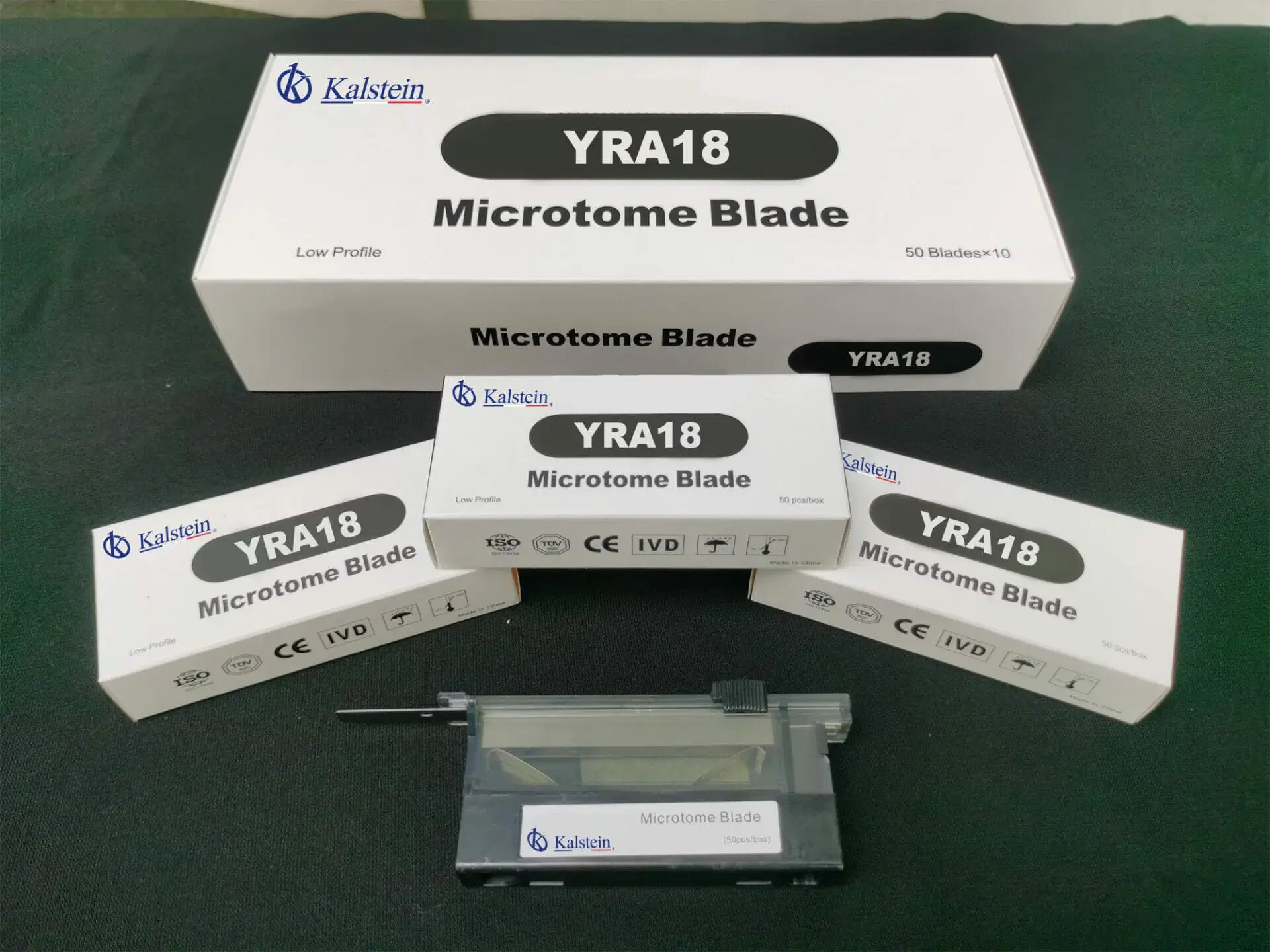
Integrating YRA microtome blades, such as the YRA18-1 and YRA19-1, with LIMS requires ensuring that the LIMS can track blade usage and maintenance schedules. Best practices include standardizing data input formats and training staff on how to log usage effectively to maintain quality control.
How does LIMS integration reduce reagent waste in histopathology labs?
LIMS integration allows for precise tracking of reagent usage, which helps in optimizing the use of consumables like YRA20-1 tissue embedding cassettes. By recording every use, laboratories can avoid over-purchasing and minimize waste, contributing to cost savings and sustainability.
Which models of histopathology consumables enhance data flow in laboratories?
Models like YRA33-2 paraffin blocks and YRA21-1 plastic cassettes are designed to enhance data flow by providing consistent quality and reliability, which are critical for successful integration with LIMS. Their features support better data management throughout the sample processing workflow.
What performance metrics should be monitored post-LIMS integration?
Post-integration, laboratories should monitor metrics such as sample throughput, error rates, and compliance with documentation standards. Utilizing models like YRA19-1 can help establish a baseline for performance, allowing for continuous improvement in lab operations.
How can histopathology laboratories ensure compliance with data security standards during LIMS integration?
To ensure compliance with data security standards, labs should implement encryption for data in transit and at rest, particularly when using consumables like YRA20-1. Regular audits and staff training on data handling best practices can further enhance security.
What factors influence the cost of integrating histopathology consumables with LIMS?
Factors influencing integration costs include the complexity of the existing LIMS, the number of consumables involved, and the required customization. Models like YRA18-1 and YRA21-1, known for their adaptability, can help manage costs effectively.
How much time can LIMS integration save in histopathology workflows?
LIMS integration can save significant time by automating data entry and sample tracking. For example, utilizing YRA33-3 granular paraffin allows for quicker processing times, which can reduce overall turnaround by up to 30% in high-volume labs.
What support is available for LIMS implementation in histopathology labs?
Many manufacturers, including those of YRA consumables, offer support for LIMS integration, including training, technical assistance, and best practices documentation. Engaging with these resources can ensure a smoother implementation process.
If you are looking for a fusion of innovation and quality, you have come to the right place. At Kalstein, we offer you the luxury of exploring our exclusive catalog of laboratory equipment. We manufacture every device to the highest standards of excellence. Our intuitive and seamless online purchasing channels are designed for your convenience, securing the most competitive prices. Hesitate no longer — we bring science to life, it is time to become part of our community.