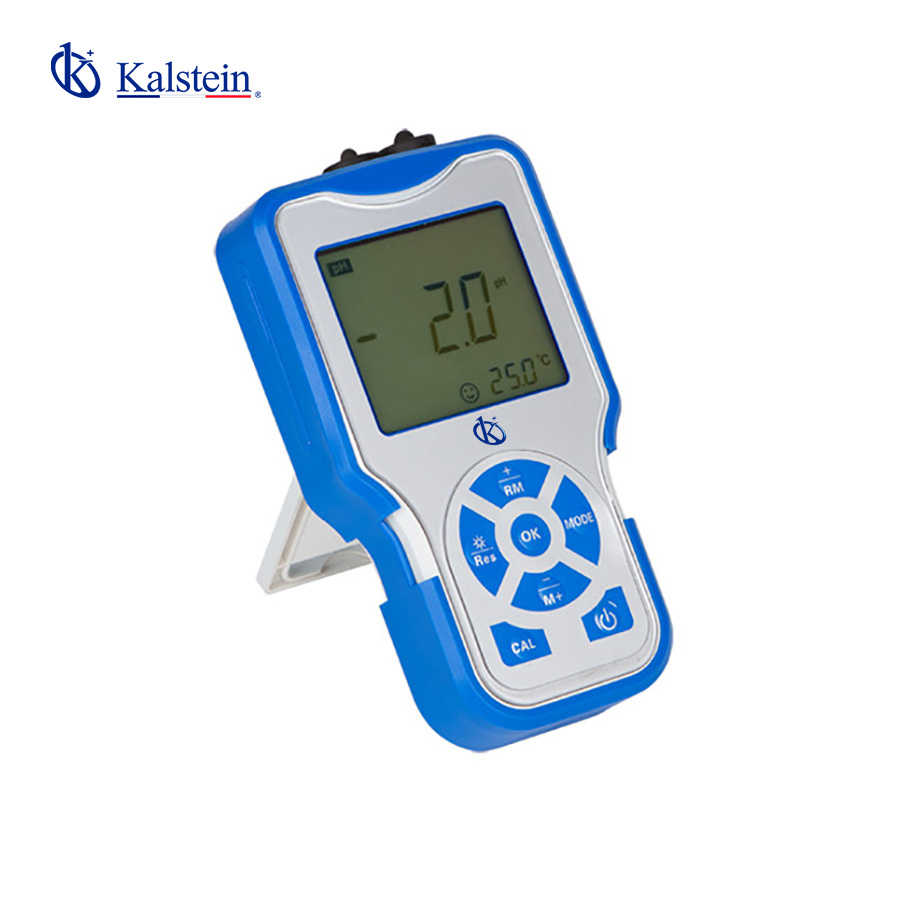
Understanding Environmental Conditions and Site Requirements for the YR01817-2 Portable Ammonium Ion Meter
The YR01817-2 Portable Ammonium Ion Meter is a sophisticated device designed for precise measurement of ammonium ion concentrations in various environments. To ensure optimal functionality, it is vital to consider specific environmental conditions and site requirements prior to installation. This article outlines the crucial factors that need to be addressed to maintain the accuracy and reliability of the YR01817-2.
Technical Specifications of the YR01817-2
| Model | YR01817-2 |
|---|---|
| Measurement Range | 5 × 10⁻⁷ to 1 M, 0.02 to 4000 ppm |
| Resolution | 0.001, 0.01, 0.1, 1 |
| Accuracy | ± 0.5% FS |
| Calibratable Points | 2 to 5 points |
| Calibration Solutions | 0.001, 0.01, 0.1, 1, 10, 100, 1000, 10000 |
| Measurement Units | ppm, mg/L, mol/L |
| Temperature Compensation | 0 to 100 °C / 32 to 212 °F, manual or automatic |
| Weight | 300g |
| Power Supply | 3 AA batteries or DC5V adapter |
Understanding Environmental Conditions
For the YR01817-2 Portable Ammonium Ion Meter to operate effectively, it is essential to understand the environmental conditions that influence its performance. Crucial factors include temperature ranges, humidity levels, and exposure to contaminants.
Temperature Requirements
The optimal operating temperature for the YR01817-2 is between 0°C and 105°C (32°F to 221°F). Deviations from this range can lead to inaccurate readings and potential damage to the device. Additionally, the meter features automatic temperature compensation, which helps ensure accurate measurements despite fluctuations in ambient temperature.
Humidity Levels
High humidity environments can affect the performance of the YR01817-2, potentially leading to condensation on internal components. It is recommended to operate the device in areas with humidity levels below 85% to prevent any adverse effects on measurement accuracy.
Electrical Interference
Electromagnetic interference (EMI) is another consideration when setting up the YR01817-2. It is vital to place the meter away from sources of electrical noise, such as heavy machinery and high-voltage equipment, to ensure stable operations.
Site Requirements for Installation
Before installation, it is essential to assess the site where the YR01817-2 will be used. Proper site preparation will enhance the performance and longevity of the ion meter.
Power Supply Configuration
The YR01817-2 can be powered by three AA batteries or a DC5V adapter. Ensure that the chosen power source is reliable and that backup options are available for prolonged use. A consistent power supply prevents unexpected shutdowns during measurement operations.
Ventilation and Clearance
Good ventilation is essential to maintain stable operating conditions. Ensure that the device is placed in an area with adequate airflow to prevent overheating. Additionally, provide sufficient clearance around the meter for easy access during maintenance and calibration.
Drainage and Safety Precautions
In environments where spills are a possibility, ensure that appropriate drainage measures are in place to protect the YR01817-2 from liquid damage. Consider using protective coverings or placing the device on a raised platform to minimize risks.
Common Installation Mistakes
Installing the YR01817-2 requires attention to detail to avoid common pitfalls that can affect performance.
Improper Calibration
One of the most critical steps in setting up the YR01817-2 is calibration. Failing to calibrate the device correctly can lead to inaccurate readings. It is advisable to follow the manufacturer’s guidelines for calibration, which includes using appropriate calibration solutions and verifying calibration points as needed.
Ignoring Environmental Conditions
Not considering the environmental conditions during installation can result in reduced accuracy and device failure. Always assess temperature, humidity, and potential sources of electrical interference before placing the meter into operation.
Site-Prep Checklist for the YR01817-2
| Checklist Item | Description |
|---|---|
| Temperature Range | Ensure the site temperature is between 0°C and 105°C. |
| Humidity Levels | Maintain humidity below 85% to avoid condensation. |
| Power Supply | Check for reliable AA battery supply or DC5V adapter availability. |
| Ventilation | Ensure adequate airflow in the area of operation. |
| Clearance | Provide enough space around the meter for access and maintenance. |
| Drainage | Implement drainage strategies to protect against spills. |
Frequently Asked Questions
What are the optimal environmental conditions for the YR01817-2 Portable Ammonium Ion Meter?
The optimal environmental conditions for the YR01817-2 include a temperature range of 0°C to 105°C and humidity levels below 85%. Ensuring these conditions helps maintain accuracy and extends the lifespan of the device.
How do I calibrate the YR01817-2 properly?
Calibrating the YR01817-2 involves using the appropriate calibration solutions and selecting between 2 to 5 calibration points. Always follow the manufacturer's guidelines for calibration procedures, which are critical for achieving accurate results.
What precautions should I take to protect the YR01817-2 from electrical interference?
To shield the YR01817-2 from electromagnetic interference, place the device away from heavy machinery and high-voltage equipment. This positioning helps prevent unstable readings due to electrical noise.
What kind of maintenance does the YR01817-2 require?
Regular maintenance for the YR01817-2 includes routine calibration checks, cleaning of the electrode, and ensuring the device is free from moisture and contamination. Periodic review of its performance is recommended to ensure reliable operation.
Can I use the YR01817-2 in outdoor environments?
Yes, the YR01817-2 is designed for outdoor use. However, it is important to monitor environmental conditions such as temperature and humidity to ensure accurate measurements and prevent damage.
How do I interpret the readings from the YR01817-2?
Readings from the YR01817-2 are displayed in ppm, mg/L, or mol/L. Understanding the concentration ranges and contextualizing them within your operational standards is key to correctly interpreting the results.
Where can I request a quote for the YR01817-2?
To request a quote for the YR01817-2 Portable Ammonium Ion Meter, please contact Kalstein directly or visit their quote request page for detailed assistance.
If you are looking for a fusion of innovation and quality, you have come to the right place. At Kalstein, we offer you the luxury of exploring our exclusive catalog of laboratory equipment. We manufacture every device to the highest standards of excellence. Our intuitive and seamless online purchasing channels are designed for your convenience, securing the most competitive prices. Hesitate no longer — we bring science to life, it is time to become part of our community.