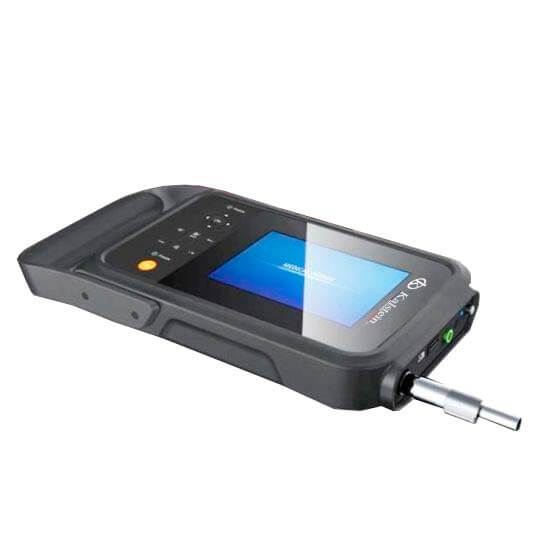
Ensuring Operator Safety in Ultrasonic Diagnostic Equipment: Protocols and Best Practices
As the use of ultrasonic diagnostic equipment expands across various medical and veterinary fields, ensuring the safety of operators becomes paramount. This article delves into the biosafety protocols and safe handling practices required when utilizing such equipment, emphasizing the importance of adherence to these protocols to mitigate risks associated with their use.
Understanding Biosafety Protocols in Ultrasonic Diagnostic Equipment
Biosafety protocols are essential to protect operators from potential hazards associated with ultrasonic diagnostic equipment. In veterinary settings and healthcare facilities, specific practices should be implemented to minimize exposure to biohazards and ensure a safe working environment.
There are various biosafety levels (BSLs) that dictate the precautions necessary based on the risk posed by the organisms being handled. For ultrasonic diagnostic applications, understanding the specific BSL that applies is crucial. Equipment such as the YR05146 Veterinary Ultrasound with Professional Rectal Probe is designed for various veterinary applications, where operator safety must be prioritized.
Key Safety Measures for Operators
Operator safety involves several key measures that should be integrated into standard operating procedures (SOPs). These include the use of personal protective equipment (PPE), proper training, and adhering to decontamination protocols.
- Personal Protective Equipment (PPE): Depending on the application, operators should wear gloves, masks, and protective eyewear to shield against potential biological hazards.
- Training: Operators must be trained in the correct use of ultrasonic diagnostic equipment to minimize risk during procedures. This includes understanding signal processing and equipment handling.
- Decontamination Protocols: After each use, equipment should be thoroughly cleaned and disinfected to prevent cross-contamination.
Comparison of Available Models
| Model | Weight (kg) | Battery Life (Hours) | Price (USD) | Best Use Case |
|---|---|---|---|---|
| YR05146 | 0.5 | 3 | 850.00 | Veterinary diagnostics with rectal probe |
| YR05147 | N/A | 3+ | 1150.00 | 3D/4D obstetric and gynecological ultrasound |
| YR05154 | N/A | N/A | 850.00 | General ultrasound diagnostics |
| YR05154-1 | N/A | N/A | 1150.00 | Advanced tablet-integrated ultrasound diagnostics |
| YR05155 | N/A | N/A | 950.00 | Linear ultrasound diagnostics |
| YR05155-1 | N/A | N/A | 1190.00 | Tablet-integrated linear diagnostics |
Common Mistakes and How to Avoid Them
In the use of ultrasonic diagnostic equipment, several mistakes can jeopardize operator safety. Here are some common pitfalls and strategies to avoid them:
- Inadequate Training: Ensure that all operators receive comprehensive training on equipment use and safety protocols.
- Poor Equipment Maintenance: Regularly maintain and calibrate equipment to ensure optimal operation and minimize hazards.
- Neglecting PPE: Always wear the appropriate PPE as required by the specific procedure to protect against exposure.
Best Practices for Handling Ultrasonic Diagnostic Equipment
Implementing best practices enhances safety and efficiency in using ultrasonic diagnostic equipment. Here are some recommendations:
- Regular Audits: Conduct regular safety audits to ensure compliance with biosafety protocols and identify areas for improvement.
- Standard Operating Procedures (SOPs): Establish clear SOPs for equipment use, including safety checks and emergency procedures.
- Operator Feedback: Encourage operators to provide feedback on safety practices and suggest improvements based on their experiences.
Frequently Asked Questions
What are the key biosafety measures for ultrasonic diagnostic equipment operators?
Key biosafety measures include wearing appropriate personal protective equipment (PPE), proper training on equipment use, and implementing thorough decontamination protocols. Models like the YR05146 require specific handling to ensure operator safety from biological hazards.
How does the weight of ultrasonic diagnostic equipment affect operator safety?
The weight of equipment like the YR05146, which weighs only 0.5 kg, can enhance operator safety by reducing fatigue during use. Lightweight models allow for easier handling and maneuverability, which is critical in dynamic environments.
What training should operators receive for using ultrasonic diagnostic equipment?
Operators should receive training on equipment functionality, safety protocols, and emergency procedures. This is especially important for complex models like the YR05147, which combines advanced imaging features with operator safety considerations.
What decontamination protocols should be followed after using ultrasonic diagnostic equipment?
After using models like the YR05155, operators should follow specific decontamination protocols involving cleaning surfaces with appropriate disinfectants to prevent cross-contamination and ensure safety for subsequent uses.
How can I ensure compliance with safety regulations when using ultrasonic diagnostic equipment?
Compliance can be ensured by establishing and following detailed standard operating procedures (SOPs) that align with regulatory guidelines. Regular audits and training help maintain adherence to safety standards while using any ultrasonic diagnostic model.
What are the common risks faced by operators of ultrasonic diagnostic equipment?
Common risks include exposure to biological hazards, injury from improper equipment handling, and fatigue from using heavy devices. It is critical to address these risks when operating models like the YR05154, which may be used in various challenging environments.
How does the battery life of ultrasonic diagnostic equipment impact operator safety?
Battery life directly affects operator safety by ensuring that equipment remains functional during procedures. Models like the YR05147, which operate for over 3 hours on a single charge, allow operators to complete tasks without interruption, reducing risk.
What are the best practices for maintaining ultrasonic diagnostic equipment?
Best practices include regular maintenance checks, proper cleaning after each use, and adhering to manufacturer guidelines. For instance, models such as the YR05155-1 require specific handling to ensure longevity and optimal performance.
If you are looking for a fusion of innovation and quality, you have come to the right place. At Kalstein, we offer you the luxury of exploring our exclusive catalog of laboratory equipment. We manufacture every device to the highest standards of excellence. Our intuitive and seamless online purchasing channels are designed for your convenience, securing the most competitive prices. Hesitate no longer — we bring science to life, it is time to become part of our community.