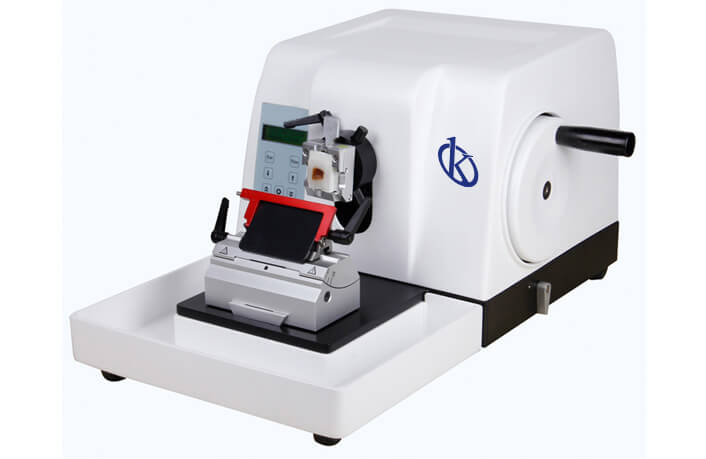
Ensuring ISO/IEC Compliance in Microtome Series: A Comprehensive Analysis
Microtomes are essential devices in laboratories, specifically in histology and pathology, where precision cutting of tissue samples is fundamental. With evolving industry standards and regulatory requirements, understanding how various microtome models comply with ISO/IEC norms is critical for laboratory professionals. This article delves into the specifications of different microtome models, emphasizing their compliance with ISO/IEC standards, and evaluates their effectiveness in meeting laboratory requirements.
Understanding ISO/IEC Standards Relevant to Microtome Operations
The ISO/IEC 17025 standard is crucial for testing and calibration laboratories, ensuring they operate competently and generate valid results. Compliance with such standards ensures that laboratories can demonstrate their capability to produce reliable results. Microtomes, being precision instruments, must align with these norms to guarantee quality and consistency in tissue sectioning.
Another relevant standard is ISO 15189, which specifically pertains to medical laboratories, ensuring quality and competence in medical testing. Compliance with this standard means the microtome must not only perform at high standards but also fulfill specific operational requirements, enhancing reliability in histological processes.
Regulatory Compliance in Laboratory Settings
Laboratories are governed by strict regulations that ensure safety and quality. ISO/IEC compliance plays a pivotal role in regulatory audits, where laboratories must provide documentation and evidence of their practices. This section will explore how each microtome model included in this analysis meets regulatory requirements, enhancing lab efficiency and maintaining safety standards.
Comparison of Available Models
| Model | ISO/IEC Clauses Covered | Traceability Features | Best For |
|---|---|---|---|
| YR417-1 | ISO 17025 | High precision cutting | Universal tissue sectioning |
| YR416 | ISO 15189, ISO 17025 | Precision motor control | High-demand histology |
| YR417 | ISO 15189 | Manual operation flexibility | Research labs |
| YR420 | ISO 15189 | High precision rails | Pathological uses |
| YR421 | ISO 17025 | Ergonomic design | Reliable continuous sectioning |
| YR422 | ISO 17025 | Safety alerts and LCD | General laboratory use |
Common Mistakes and How to Avoid Them
One common mistake in laboratory settings is neglecting regular calibration and maintenance of microtomes, which can lead to inaccurate results. Ensuring that each model, such as the YR416, has a proper maintenance schedule aligned with ISO/IEC guidelines is crucial. Additionally, failing to document compliance efforts can result in significant regulatory penalties. Maintaining detailed logs of all calibrations, maintenance actions, and any deviations is essential for compliance.
Optimizing Microtome Usage for Enhanced Compliance
To maximize efficiency and compliance, laboratories should implement standard operating procedures (SOPs) that align with ISO/IEC standards. Regular training for staff on these procedures can significantly enhance the quality of results. For instance, using the YR420 in conjunction with a documented SOP can ensure that all personnel are proficient in the operation and maintenance of the equipment, leading to consistent quality in sample processing.
Documentation Requirements for Compliance
ISO/IEC compliance requires thorough documentation that demonstrates adherence to quality standards. Laboratories should maintain records detailing the performance and calibration of microtomes, including specifications from models like YR421 and YR422. Having a comprehensive documentation system not only aids in compliance but also streamlines operations and enhances accountability.
Traceability in Microtome Operations
Traceability is a critical aspect of ISO/IEC compliance. It involves the ability to trace results back to their original source. Microtome models that incorporate advanced traceability features, such as the YR416, allow laboratories to easily track sample data, enhancing the reliability of results. Implementing a robust traceability system ensures that each sample processed can be verified for accuracy and compliance.
Frequently Asked Questions
How does the YR416 microtome comply with ISO 17025 standards?
The YR416 microtome meets ISO 17025 standards through its precision motor control and robust performance features, ensuring reliable and reproducible results in histological applications.
What are the key features of the YR420 microtome regarding regulatory compliance?
The YR420 microtome features high-precision rails and ergonomic design, which support compliance with ISO 15189, ensuring effective and safe operations in pathological laboratories.
Which microtome model is best for high-demand histology labs meeting ISO standards?
The YR416 model is particularly suited for high-demand histology labs, as it integrates ISO 15189 and ISO 17025 compliance, providing excellent reliability and precision for tissue sectioning.
What documentation is required for compliance in microtome operations?
Compliance documentation must include calibration records, maintenance logs, and operational SOPs, particularly for models like the YR421 and YR422, ensuring adherence to ISO/IEC standards.
How can laboratories enhance traceability in microtome usage?
By utilizing models such as the YR416, which incorporates advanced traceability features, laboratories can enhance traceability through comprehensive tracking and logging of sample data throughout the testing process.
What common mistakes lead to non-compliance with ISO/IEC standards in microtome use?
Neglecting regular maintenance and calibration, as well as insufficient documentation, are common mistakes that can lead to non-compliance with ISO/IEC standards in microtome operations.
Which microtome model is ideal for research laboratories focusing on ISO compliance?
The YR417 model is an ideal choice for research laboratories, as it is designed to meet specific ISO 15189 requirements, ensuring quality and reliable results in a flexible manual format.
How does the YR422 microtome enhance safety and compliance in laboratory settings?
The YR422 microtome enhances safety and compliance with its built-in safety alert system and user-friendly LCD display, ensuring operations align with ISO 17025 standards effectively.
If you are looking for a fusion of innovation and quality, you have come to the right place. At Kalstein, we offer you the luxury of exploring our exclusive catalog of laboratory equipment. We manufacture every device to the highest standards of excellence. Our intuitive and seamless online purchasing channels are designed for your convenience, securing the most competitive prices. Hesitate no longer — we bring science to life, it is time to become part of our community.