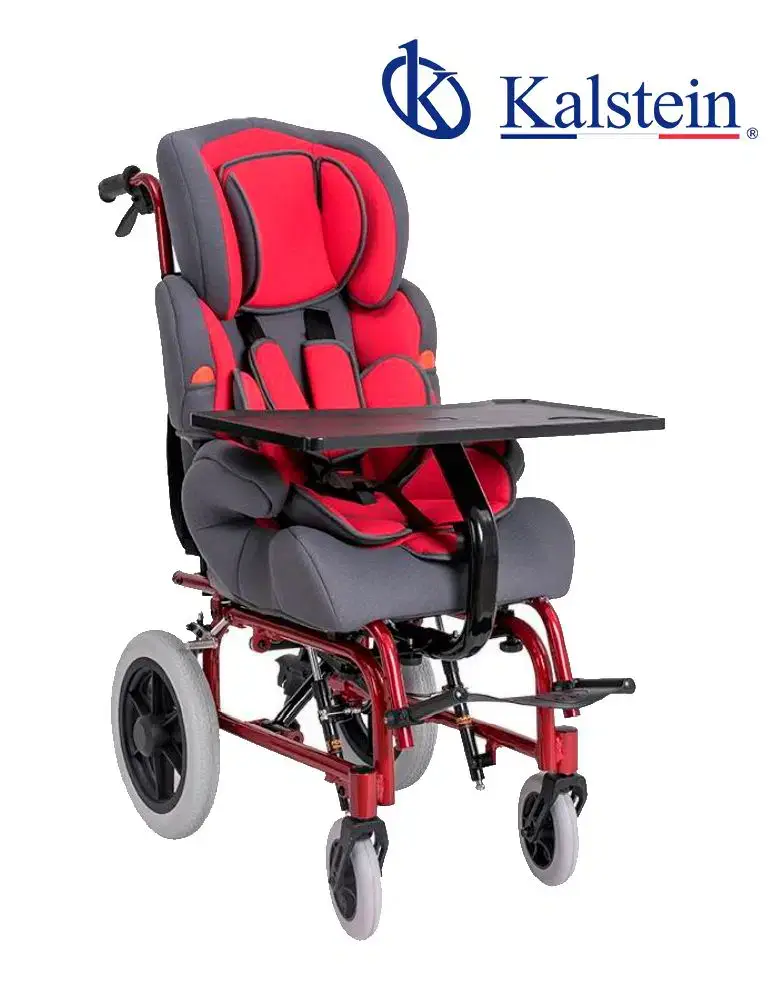
Enhancing Productivity and Reducing Analysis Times with Children's Wheelchairs
In clinical and therapeutic environments, the selection of appropriate equipment is pivotal for maximizing productivity and minimizing analysis times. Children’s wheelchairs are essential for providing mobility solutions to pediatric patients. By optimizing the design and functionality of these wheelchairs, caregivers can enhance workflow efficiency and improve the overall quality of care. This article delves into various models of children's wheelchairs, focusing on their productivity-enhancing features and the contexts in which they excel.
The Importance of Optimizing Mobility for Pediatric Patients
Mobility is crucial for children with disabilities, as it fosters independence and enhances their engagement in daily activities. The right wheelchair can significantly impact a child's ability to participate in therapy sessions, social interactions, and educational opportunities. Moreover, optimizing the selection and usage of these devices can lead to time savings in clinical environments, thereby reducing the analysis time associated with mobility needs.
Comparison of Available Models
| Model | Seat Width (cm) | Seat Depth (cm) | Seat Height (cm) | Total Length (cm) | Weight Capacity (kg) | Price (USD) |
|---|---|---|---|---|---|---|
| YR05459 | 30 | 39 | 46 | 92 | 75 | 424.00 |
| YR05460 | 42 | 35 | 55-70 | 75-95 | 75 | 456.00 |
| YR05457 | 38 | 39 | 46 | 112 | 100 | 302.00 |
| YR05458 | 38 | 39 | 46 | 112 | 100 | 422.95 |
| YR06611 | 34 | 33 | 50 | 108 | 75 | 316.00 |
Features Enhancing Productivity in Children's Wheelchairs
Each model of children’s wheelchairs is designed with unique features that contribute to enhanced productivity in clinical settings. Key features include adjustable seat heights, lightweight materials for ease of transport, and customizable supports that fit a variety of needs. For instance, the YR05460 model provides a height-adjustable backrest, offering tailored comfort and support for children during therapy sessions.
Ergonomic Design and Adjustability
The ergonomic design of children's wheelchairs is a critical factor in reducing analysis times. With adjustable features, caregivers can quickly adapt the wheelchair to meet individual patient needs, enhancing comfort and reducing the time spent on adjustments during clinical procedures.
Lightweight Construction
Models such as the YR05459 incorporate an aluminum frame, making them easier to maneuver in tight spaces and during transfers. This lightweight construction is essential for speeding up processes in busy clinical environments, allowing caregivers to focus on patient care rather than equipment handling.
Common Mistakes and How to Avoid Them
Choosing the right children's wheelchair can be daunting. Common mistakes include selecting a model that does not fit the child's specific needs, neglecting to consider the wheelchair's weight, or overlooking the importance of adjustability. To avoid these errors, caregivers should conduct thorough assessments of each child's mobility requirements and involve them in the selection process whenever possible.
Key Considerations for Reducing Analysis Times
When selecting a children's wheelchair, consider factors that can directly influence analysis times. The ease of adjustment and transportation, as seen in models like the YR06611 with its foldable design, can substantially decrease the time needed for setup in medical environments. Additionally, ensuring that the wheelchair is lightweight and easy to maneuver reduces the physical strain on caregivers, leading to a more efficient workflow.
The Role of Wheelchair Technology in Pediatric Mobility
Advancements in wheelchair technology have introduced features such as adjustable footrests and removable components, which enhance the usability and adaptability of these devices. For example, the YR05460 model offers a removable footrest, making it easier for caregivers to assist children in getting in and out of the wheelchair, thus saving valuable time during sessions.
Benefits of Using Specialized Children's Wheelchairs
Investing in specialized children’s wheelchairs offers numerous benefits, including improved access to therapy, enhanced patient comfort, and reduced fatigue for caregivers. Each model caters to different needs and environments, ensuring that children receive the support they require while allowing caregivers to operate more effectively.
Frequently Asked Questions
How can the YR05460 children's wheelchair improve therapy session efficiency?
The YR05460 children's wheelchair, with its adjustable features and sturdy design, enhances therapy session efficiency by providing tailored support, which reduces the amount of time caregivers spend on adjustments during sessions.
What are the key specifications of the YR06611 wheelchair for children with cerebral palsy?
The YR06611 wheelchair for children with cerebral palsy features a total length of 1080 mm, adjustable footrests, and a lightweight aluminum structure, providing optimal support while ensuring easy maneuverability.
Which children's wheelchair is best for minimizing analysis times in clinical settings?
The YR05457 model is ideal for minimizing analysis times due to its robust design and adjustable seating, which allows for quick adaptations to various patient needs, streamlining the workflow in clinical settings.
How does the weight of a wheelchair affect caregiver efficiency during use?
A lighter wheelchair, such as the YR05459 with its aluminum construction, significantly enhances caregiver efficiency by reducing the physical strain during transfers and maneuvers, allowing for quicker responses in clinical settings.
What features to consider for reducing analysis times when choosing a children's wheelchair?
Key features to consider include adjustability, weight, and transport ease. Models like the YR05460 and YR06611 excel in these areas, contributing to more efficient clinical workflows.
How do adjustable footrests in children's wheelchairs benefit mobility?
Adjustable footrests, such as those found in the YR06611 model, allow for customized support and comfort, which are essential for reducing fatigue and promoting independence, ultimately aiding mobility during therapy.
Why is ergonomic design crucial for children's wheelchairs?
An ergonomic design is crucial as it minimizes physical strain on both the child and caregiver. The YR05458 model, designed with such considerations, ensures comfort and adaptability, enhancing the overall user experience.
What is the average price range for children's wheelchairs that enhance productivity?
The average price range for productivity-enhancing children's wheelchairs, such as the YR05459 and YR05460, falls between $302.00 and $456.00, making them a viable investment for clinical settings focused on efficiency.
If you are looking for a fusion of innovation and quality, you have come to the right place. At Kalstein, we offer you the luxury of exploring our exclusive catalog of laboratory equipment. We manufacture every device to the highest standards of excellence. Our intuitive and seamless online purchasing channels are designed for your convenience, securing the most competitive prices. Hesitate no longer — we bring science to life, it is time to become part of our community.