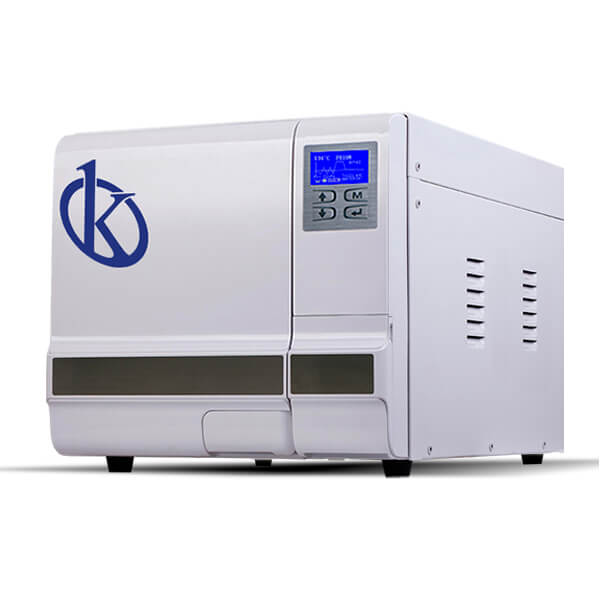
How Energy Sustainability and Environmental Impact Influence Horizontal Autoclave Selection
In today’s laboratory environment, energy sustainability and environmental impact are critical criteria influencing the selection of equipment. Horizontal autoclaves, commonly used for sterilization in various sectors, require special attention to their energy efficiency and overall ecological footprint. This article will explore how these factors shape the choice of horizontal autoclaves in laboratory settings, ensuring optimal performance while minimizing environmental impact.
Understanding Horizontal Autoclaves and Their Importance
Horizontal autoclaves are essential in various fields, including healthcare, veterinary, and laboratories, for sterilization purposes. Their design allows for efficient steam penetration and effective sterilization cycles. As energy demands increase and environmental regulations tighten, understanding the energy sustainability of these devices becomes imperative.
Energy Consumption Metrics for Horizontal Autoclaves
Energy consumption metrics, such as kilowatt-hours (kWh) per sterilization cycle, significantly impact operational costs. Models like the Class B Table Autoclave YR03387 and YR03388 are designed with energy efficiency in mind, offering advanced features that allow for reduced energy consumption without compromising sterilization effectiveness.
Evaluating the Environmental Impact of Autoclave Operation
The environmental impact of autoclave operation involves assessing factors like water use, energy consumption, and waste generation. The Class B Table Autoclave YR03390 is exemplary in minimizing its environmental footprint, providing efficient water and energy use, which is crucial for laboratories seeking to implement sustainable practices.
Comparison of Available Models
| Model | Energy Consumption (kWh/cycle) | Volume (Liters) | Best for | Price (USD) |
|---|---|---|---|---|
| YR03387 | 2.5 | 8 | Small labs, tattoo parlors | 750.00 |
| YR03388 | 2.7 | 12 | Beauty salons, veterinarians | 835.00 |
| YR03389 | 2.9 | 18 | Small laboratories | 900.00 |
| YR03390 | 3.1 | 23 | Medium labs, research facilities | 1000.00 |
| YR03385C | 3.4 | 29 | Veterinary clinics | 2350.00 |
| YR03385B | 3.6 | 45 | Research laboratories | 2800.00 |
Best Practices for Energy Efficiency in Autoclave Use
Implementing best practices for energy efficiency can significantly impact the overall environmental footprint of horizontal autoclaves. This includes scheduling sterilization cycles to avoid peak energy times and ensuring that units, such as the Class B Table Autoclave YR03387, are routinely maintained to operate at peak efficiency.
Regulatory Standards and Compliance in Autoclave Selection
Compliance with regulatory standards, such as EN13060, is vital for laboratories. Understanding how each model meets or exceeds these standards can guide laboratories in choosing the most environmentally friendly options. Models like the Class B Table Autoclave YR03388 ensure adherence to established guidelines while promoting sustainability.
Common Mistakes and How to Avoid Them
Laboratories often overlook the importance of energy consumption when selecting autoclaves, focusing solely on capacity or cost. To avoid costly errors, consider comprehensive evaluations of energy efficiency and environmental impact when making equipment decisions. Regularly reviewing energy consumption metrics and model performance can ensure alignment with sustainability goals.
Frequently Asked Questions
How can I choose a horizontal autoclave that meets energy sustainability standards?
Choosing an energy-efficient horizontal autoclave, such as the Class B Table Autoclave YR03390, involves examining its energy consumption metrics, service life, and compliance with energy standards like ENERGY STAR. Ensuring that the model fits your lab's sterilization needs while minimizing energy use is crucial.
What are the energy consumption rates of different horizontal autoclaves?
Energy consumption rates vary by model; for instance, the Class B Table Autoclave YR03387 consumes approximately 2.5 kWh per cycle, while the YR03390 uses about 3.1 kWh. Assess these figures against your laboratory's operational hours to gauge overall energy impact.
How does the environmental impact of horizontal autoclaves vary by model?
Different models exhibit varying environmental impacts based on energy and water consumption. The Class B Table Autoclave YR03388 is designed to minimize both water use and energy consumption, making it a suitable choice for environmentally conscious laboratories.
What is the importance of adhering to EN13060 in autoclave selection?
Adhering to the EN13060 standard is crucial for ensuring effective sterilization and compliance in laboratory settings. Models like the Class B Table Autoclave YR03389 are designed to meet or exceed these standards, ensuring both efficiency and safety in laboratory operations.
How can I reduce operational costs while using horizontal autoclaves?
Reducing operational costs can be achieved by selecting energy-efficient models, optimizing cycle times, and ensuring proper maintenance. For example, utilizing the Class B Table Autoclave YR03387 can significantly lower energy bills while maintaining high sterilization standards.
What are the key features to look for in an energy-efficient autoclave?
Key features include energy consumption metrics, advanced sterilization cycles, water-saving technologies, and compliance with sustainability standards. The Class B Table Autoclave YR03390 incorporates several of these features to enhance energy efficiency.
How does the size of an autoclave impact its energy consumption?
The size of an autoclave directly affects its energy consumption; larger models, like the Class B Table Autoclave YR03385B, may require more energy per cycle. Therefore, evaluating the laboratory's specific needs and choosing an appropriately sized model is essential for minimizing energy use.
How can I assess the long-term sustainability of a horizontal autoclave?
Assessing long-term sustainability involves evaluating energy and water consumption rates, maintenance requirements, and compliance with environmental standards. Models like the Class B Table Autoclave YR03388 provide insights into their operational efficiency and sustainability over time.
If you are looking for a fusion of innovation and quality, you have come to the right place. At Kalstein, we offer you the luxury of exploring our exclusive catalog of laboratory equipment. We manufacture every device to the highest standards of excellence. Our intuitive and seamless online purchasing channels are designed for your convenience, securing the most competitive prices. Hesitate no longer — we bring science to life, it is time to become part of our community.