Energy Sustainability and Environmental Impact Reduction in Tissue Water Baths
Tissue water baths are essential tools in laboratory settings, particularly in pathological anatomy. As laboratories increasingly aim to reduce their carbon footprints and enhance energy efficiency, understanding the role of these devices in achieving sustainability goals is crucial. This article provides an in-depth analysis of various models of tissue water baths, examining their features in relation to energy sustainability and environmental impact reduction.
Understanding the Role of Tissue Water Baths in Energy Sustainability
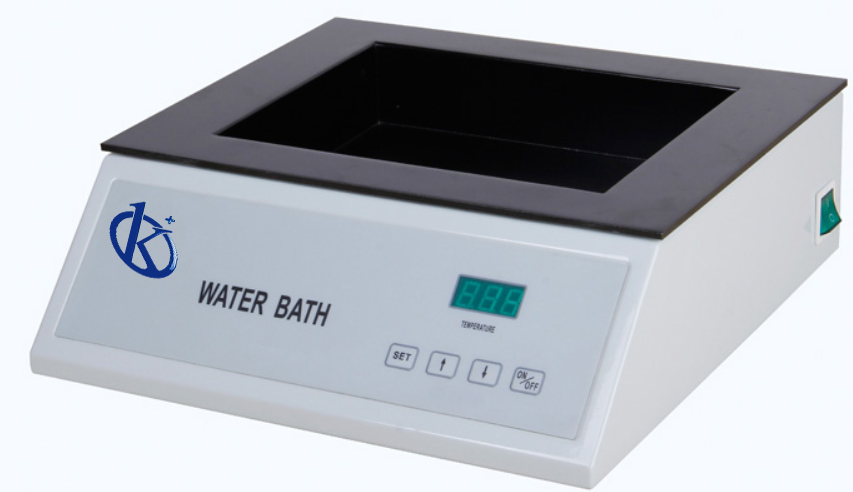
Tissue water baths serve significant roles in histology and pathology, primarily for preserving tissue samples in a controlled temperature environment. However, they can also contribute to the overall sustainability goals of a laboratory. Models like the Water Bath YR449, YR451, and YR452 integrate advanced technologies that minimize energy consumption without sacrificing performance.
Energy sustainability in tissue water baths can be defined by their energy consumption per operation, efficiency in maintaining desired temperatures, and longevity, which affects the lifecycle environmental footprint. Innovations such as LED displays and microcomputer controls in these models help to optimize energy usage, making them more environmentally friendly options.
Comparison of Available Models
| Model | Temperature Range | Power Consumption (W) | Dimensions (mm) | Weight (kg) | Best Use Case |
|---|---|---|---|---|---|
| YR449 | RT to 90℃ | 200 | 360 x 350 x 120 | 5 | Energy-efficient general tissue preservation |
| YR451 | 0 to 85℃ | 400 | 515 x 420 x 150 | 9 | High throughput labs requiring real-time monitoring |
| YR452 | RT to 75℃ | 500 | 515 x 420 x 160 | 9 | Advanced tissue flotation needs |
Energy Efficiency Features of Each Model
The YR449 model stands out due to its rapid heating capabilities and a power-efficient design that conserves energy while maintaining the required temperatures. It also features automatic memory functions, allowing for efficient operation with minimal manual intervention.
On the other hand, the YR451 model boasts a digital green display for real-time temperature monitoring, which significantly reduces energy wastage associated with over-heating. This model's microprocessor-controlled operations help to maintain precision within ±1℃, ensuring that energy is not wasted in maintaining unnecessary temperature extremes.
The YR452 model incorporates several advanced features that provide an even lower environmental footprint, including high-quality materials that ensure durability and resistance to corrosion, leading to extended lifespans and reduced waste over time.
Common Mistakes and How to Avoid Them
Many laboratory professionals overlook the energy efficiency potential when selecting models of tissue water baths. Choosing based solely on initial purchase cost rather than long-term operational costs can lead to higher expenses and environmental impact. It's essential to analyze energy consumption data provided by manufacturers for each model.
Another common mistake is not considering the specific needs of the laboratory environment. For example, using a model with a higher power consumption in a low-demand setting may not be ideal. Understanding the temperature requirements and expected usage frequency can guide better purchasing decisions.
Implementing Best Practices for Sustainability
To further energy sustainability, laboratories should implement best practices such as regularly scheduling maintenance to ensure all devices operate efficiently. Additionally, utilizing power strips with timers can help manage energy consumption during non-operational times.
Investing in energy-efficient models like the YR449 and YR451 not only contributes to sustainability goals but can also lead to significant cost savings in utilities. Developing a culture focused on sustainability within the lab can elevate awareness and drive positive change.
Frequently Asked Questions
How do I choose an energy-efficient tissue water bath for my lab?
When selecting an energy-efficient tissue water bath, consider models like the YR449, which operates at just 200W, making it ideal for laboratories focused on sustainability. Look for features such as temperature range capabilities and automatic controls that help minimize energy waste.
What is the energy consumption of the YR451 tissue water bath?
The YR451 model operates with a power consumption of 400W, making it suitable for labs needing real-time temperature monitoring. Its efficiency helps reduce overall energy costs in a laboratory setting, aligning with sustainability goals.
Which tissue water bath is best for minimizing environmental impact?
The YR449 is noted for its energy-saving features and minimal power consumption of 200W, significantly reducing its environmental footprint while still providing optimal performance for tissue preservation.
Can I expect cost savings from using an energy-efficient water bath?
Yes, by utilizing energy-efficient models like the YR449, which features rapid heating technology, laboratories can expect lower utility costs. Long-term savings can be significant when operational efficiency is prioritized.
What temperature control accuracy should I look for in a tissue water bath?
Look for models that offer temperature control accuracy of ±1℃, such as the YR451 and YR452. Accurate temperature control is essential for maintaining sample integrity while minimizing energy waste.
How does the YR452 model contribute to sustainability in labs?
The YR452 model features a power consumption of 500W and uses durable materials, extending its lifespan and reducing waste. Its advanced technology promotes energy efficiency, aligning with sustainability practices in laboratories.
Which features are essential for a sustainable laboratory environment?
Essential features for a sustainable laboratory include energy-efficient operations, real-time monitoring (as in the YR451), and durable construction that minimizes the need for frequent replacements, all of which contribute to reduced environmental impact.
What maintenance practices enhance the lifespan of a tissue water bath?
Regular maintenance, including cleaning and calibration, enhances the lifespan of tissue water baths. Implementing a maintenance schedule for models like the YR449 ensures they operate efficiently and sustainably over time.
If you are looking for a fusion of innovation and quality, you have come to the right place. At Kalstein, we offer you the luxury of exploring our exclusive catalog of laboratory equipment. We manufacture every device to the highest standards of excellence. Our intuitive and seamless online purchasing channels are designed for your convenience, securing the most competitive prices. Hesitate no longer — we bring science to life, it is time to become part of our community.