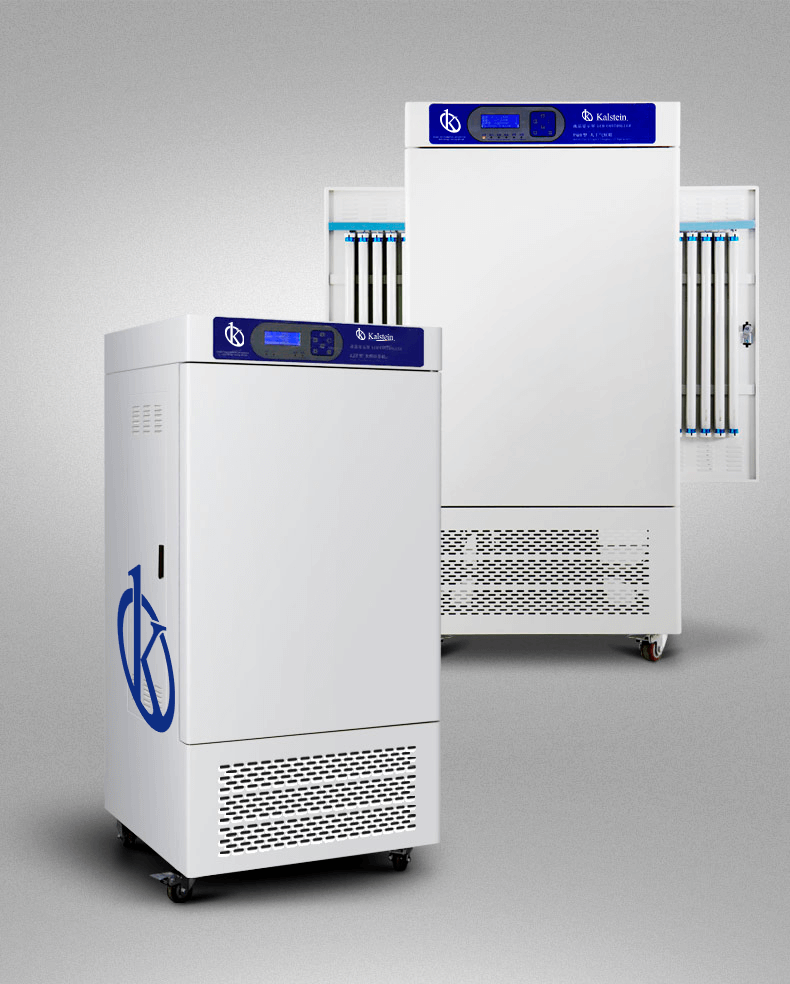
Energy Sustainability and Environmental Footprint Reduction in Environmental Chambers
Laboratories across various fields are increasingly focusing on sustainability and minimizing their environmental impact. Environmental chambers, specifically designed for simulating climatic conditions, play a crucial role in such initiatives. This article delves into how different models of environmental chambers contribute to energy sustainability and reducing environmental footprints, with an emphasis on practicality for laboratory professionals.
Understanding Environmental Chambers and Their Role
Environmental chambers are vital tools in laboratories for testing and observing how different factors like temperature and humidity affect biological and chemical processes. By simulating natural conditions, they allow researchers in fields such as biology, agriculture, and environmental science to conduct experiments that can yield valuable insights into sustainability practices. The focus on energy efficiency in these chambers not only helps in reducing operational costs but also plays a significant role in minimizing the overall carbon footprint of laboratories.
Comparison of Available Models
| Model | Temperature Range (°C) | Humidity Range (%) | Power Consumption (W) | Best for |
|---|---|---|---|---|
| YR05328 | With Lighting: 10~60, Without Lighting: 5~60 | 50% ~ 90% | 900 | Biological and Environmental Research |
| YR05329 | With Lighting: 10~60, Without Lighting: 5~60 | 50% ~ 90% | 1000 | Agricultural Research |
| YR05330 | With Lighting: 10~60, Without Lighting: 5~60 | 50% ~ 90% | 1200 | Complex Environmental Studies |
Energy Consumption and Efficiency of Different Models
The energy efficiency of environmental chambers is a key factor in reducing the environmental footprint of research facilities. Each model, YR05328, YR05329, and YR05330, offers unique specifications that cater to varying research needs while ensuring optimal energy consumption.
For instance, the YR05328 model has a power consumption of 900W, making it suitable for lower energy costs, while the YR05330 model, with a power consumption of 1200W, is more suited for extensive environmental studies where higher performance is required. Understanding these differences allows laboratories to select models that not only meet their research needs but also align with their energy sustainability goals.
Reducing Reagent and Water Consumption in Environmental Chambers
Environmental chambers also play a role in minimizing resource consumption. By utilizing smart humidification systems, models like the YR05329 and YR05330 can maintain precise humidity levels without excessive water use. This efficiency is crucial in laboratories aiming to reduce waste and promote sustainability.
Implementing best practices in monitoring and controlling reagent usage can further enhance sustainability efforts. For instance, integrating sensors that track water and reagent levels can help in optimizing their use, thereby contributing to lower operational costs and environmental impact.
Lifecycle Assessment of Environmental Chambers
Conducting a lifecycle assessment of environmental chambers can provide insights into their environmental impact from production through disposal. This includes evaluating materials used, energy consumption during operation, and the potential for recycling at the end of their lifespan. The YR series chambers, constructed with high-quality materials and designed for longevity, enable laboratories to achieve both performance and sustainability.
Moreover, manufacturers that prioritize sustainable practices in the production of these chambers contribute to reducing overall environmental footprints. Choosing models certified by standards like ENERGY STAR can further validate a laboratory's commitment to sustainability.
Common Mistakes and How to Avoid Them
Laboratories often overlook the importance of regular maintenance and calibration of environmental chambers, which can lead to excess energy consumption and inaccurate results. Another common mistake is failing to utilize energy-efficient settings and controls available in newer models.
To avoid these pitfalls, laboratories should establish a routine maintenance schedule, ensuring that their equipment operates at optimal efficiency. Additionally, training personnel on the energy-saving features of their environmental chambers can lead to better resource management and lower operational costs.
Frequently Asked Questions
What is the energy consumption of the YR05328 environmental chamber?
The YR05328 environmental chamber has a power consumption of 900W, making it an energy-efficient choice for laboratories focused on sustainability. Its design is aimed at reducing environmental footprints while maintaining performance, ideal for biological and environmental research.
How can I minimize water usage in environmental chambers like YR05330?
To minimize water usage in the YR05330 environmental chamber, utilize its smart humidification system, which maintains accurate humidity levels without excessive consumption. Implementing monitoring systems can further optimize water use, aligning with sustainability goals.
What advantages does the YR05329 model offer for agricultural research?
The YR05329 model is designed for agricultural research, offering precise temperature and humidity control while maintaining energy efficiency with a power consumption of 1000W. Its capabilities ensure optimal growing conditions for various experiments.
How do environmental chambers help in reducing a laboratory's carbon footprint?
Environmental chambers reduce a laboratory's carbon footprint by optimizing energy use and minimizing resource consumption. Models like the YR05328 utilize less power, while efficient humidity management systems lower water usage, promoting sustainability.
What are the key features of the YR05330 for environmental studies?
The YR05330 model features advanced temperature and humidity controls suitable for complex environmental studies. Its power consumption of 1200W supports extensive research while ensuring efficient resource use, contributing to energy sustainability.
How do I ensure my environmental chamber complies with energy sustainability standards?
To ensure compliance with energy sustainability standards, choose models like the YR series that meet ENERGY STAR certifications. Regular maintenance and monitoring energy consumption can further support adherence to sustainability goals.
What is the expected lifespan of an environmental chamber like the YR05328?
The expected lifespan of an environmental chamber like the YR05328 can vary, but with proper maintenance, it can last over a decade. Regular servicing and adherence to operational guidelines can maximize its longevity and efficiency.
How can laboratories integrate environmental chambers in their energy sustainability practices?
Laboratories can integrate environmental chambers into their energy sustainability practices by selecting energy-efficient models, establishing maintenance schedules, and training staff on resource management. Incorporating these chambers into a comprehensive sustainability plan can significantly reduce environmental footprints.
If you are looking for a fusion of innovation and quality, you have come to the right place. At Kalstein, we offer you the luxury of exploring our exclusive catalog of laboratory equipment. We manufacture every device to the highest standards of excellence. Our intuitive and seamless online purchasing channels are designed for your convenience, securing the most competitive prices. Hesitate no longer — we bring science to life, it is time to become part of our community.