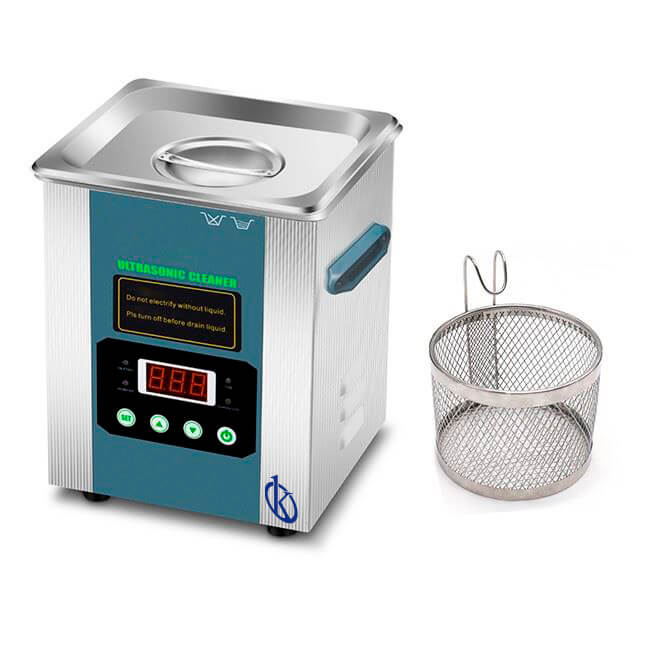
How to Enhance Energy Sustainability with Digital Display Ultrasonic Cleansers
In today's laboratory landscape, the emphasis on energy sustainability and reducing environmental footprints is paramount. Digital display ultrasonic cleansers serve not only as effective cleaning devices but also play a crucial role in achieving energy efficiency and minimizing waste. Understanding how these devices can be optimized for sustainability is essential for professionals in the laboratory sector.
Understanding the Role of Ultrasonic Cleansers in Energy Sustainability
Ultrasonic cleaners operate on the principle of high-frequency sound waves generating microscopic bubbles in a cleaning solution. This process, known as cavitation, effectively dislodges contaminants from surfaces. The efficiency of this cleaning process directly correlates with energy consumption. Selecting the right ultrasonic cleaner can lead to significant reductions in energy usage and resource waste.
Among the main advantages of digital display ultrasonic cleansers is their ability to optimize cleaning cycles through precise control. This results in reduced energy consumption and minimized resource use. Additionally, many models come equipped with features like programmable timers, which allow for better scheduling and operational efficiency.
Comparison of Available Models
| Model | Capacity (Liters) | Power Consumption (W) | Weight (kg) | Best For |
|---|---|---|---|---|
| YR05208 | 2 | 70 | 2.6 | Jewelry, Optical Industry |
| YR05209 | 2 | 70 | 2.7 | Home Use, Multi-purpose |
| YR05212 | 4.5 | 180 | 5.6 | General Laboratory Use |
| YR05213 | 6.8 | 180 | 6.2 | Medical Applications |
| YR05214 | 11 | 240 | 8.5 | Industrial Cleaning |
| YR05215 | 15 | 360 | 11.5 | High-throughput Labs |
Evaluating Energy Consumption and Environmental Impact
When assessing the sustainability of ultrasonic cleaners, energy consumption per cleaning cycle is a critical metric. For instance, the YR05208 model has a power consumption of 70W and operates effectively for cleaning jewelry and optical items. In contrast, larger models like the YR05214 consume up to 240W, making them suitable for industrial cleaning but at a higher energy cost.
To assess the energy consumption, consider running time and frequency settings. A model with adjustable cycle times and frequencies can drastically reduce energy use. Implementing a cleaning protocol that utilizes the minimum effective time can lead to significant savings.
Lifecycle Assessment and E-Waste Considerations
Understanding the lifecycle of ultrasonic cleaners is crucial in promoting energy sustainability. This includes evaluating the production, operational, and disposal phases of the devices. Clear evidence of environmental commitment can be demonstrated by choosing models designed with recyclable components, such as the stainless steel used in various ultrasonic cleaners.
Moreover, by adhering to responsible disposal methods, laboratories can mitigate e-waste. Selecting durable models can extend usability, thus minimizing the frequency of replacements and ultimately lessening the overall environmental impact.
Reducing Water and Reagent Consumption
Ultrasonic cleaners are known for their ability to enhance cleaning effectiveness while using minimal cleaning solutions. This feature is particularly notable in models like the YR05209, which are designed for home and multi-purpose use, helping to reduce waste and conserve water. By optimizing the cleaning solution usage, laboratories can contribute to environmental sustainability while maintaining high standards of cleanliness.
Additionally, laboratories can implement recycling protocols for cleaning solutions where applicable. This practice not only conserves resources but also reduces the environmental footprint associated with waste disposal.
Common Mistakes and How to Avoid Them
One of the prevalent mistakes laboratories make is failing to optimize settings for cleaning cycles. Many users set their ultrasonic cleaners to maximum settings without considering the specific requirements of the items being cleaned. This can result in excessive energy use and potential damage to sensitive equipment.
Another common error is not utilizing maintenance practices that prolong the lifespan of the devices. Regular maintenance, such as cleaning the tank and replacing worn components, ensures optimal performance and energy efficiency. Always refer to the user manual of each model for specific maintenance guidelines.
Frequently Asked Questions
How do digital display ultrasonic cleansers improve energy efficiency?
Digital display ultrasonic cleansers like the YR05208 utilize programmable settings which enhance energy efficiency. By allowing users to customize cleaning cycles, these models minimize unnecessary power consumption, leading to energy sustainability.
What are the environmental benefits of using ultrasonic cleaners in laboratories?
Using ultrasonic cleaners such as the YR05212 reduces water and chemical waste significantly compared to traditional cleaning methods. This not only conserves resources but also minimizes the environmental footprint associated with laboratory operations.
Why is ultrasonic cleaning preferred for sensitive equipment?
Ultrasonic cleaning, especially with models like the YR05209, provides a gentle yet effective cleaning solution for sensitive equipment. The cavitation process lifts contaminants without damaging delicate surfaces, ensuring longevity of the equipment.
How can I ensure optimal energy use in my ultrasonic cleaner?
To ensure optimal energy use, select models that allow for adjustable cleaning times and frequencies like the YR05214. Implementing these features can significantly reduce unnecessary energy consumption during cleaning cycles.
What is the ROI for integrating ultrasonic cleansers in laboratories?
Integrating ultrasonic cleansers such as the YR05215 enhances cleaning efficiency and reduces labor costs, leading to a return on investment that can be realized within months through time savings and decreased resource use.
Which ultrasonic cleaner model is best for high-throughput environments?
The YR05215 is ideal for high-throughput environments due to its larger capacity and higher power consumption, making it suitable for intensive cleaning operations while maintaining energy efficiency.
How can ultrasonic cleaners help meet sustainability goals in laboratories?
Ultrasonic cleaners, like the YR05213, contribute to sustainability goals by reducing water usage, minimizing chemical waste, and optimizing energy consumption, aligning with eco-friendly laboratory practices.
What maintenance tips enhance the lifespan of ultrasonic cleaners?
Regular maintenance practices such as routine cleaning of the tank and timely replacement of worn parts can significantly enhance the lifespan and efficiency of ultrasonic cleaners like the YR05212.
If you are looking for a fusion of innovation and quality, you have come to the right place. At Kalstein, we offer you the luxury of exploring our exclusive catalog of laboratory equipment. We manufacture every device to the highest standards of excellence. Our intuitive and seamless online purchasing channels are designed for your convenience, securing the most competitive prices. Hesitate no longer — we bring science to life, it is time to become part of our community.