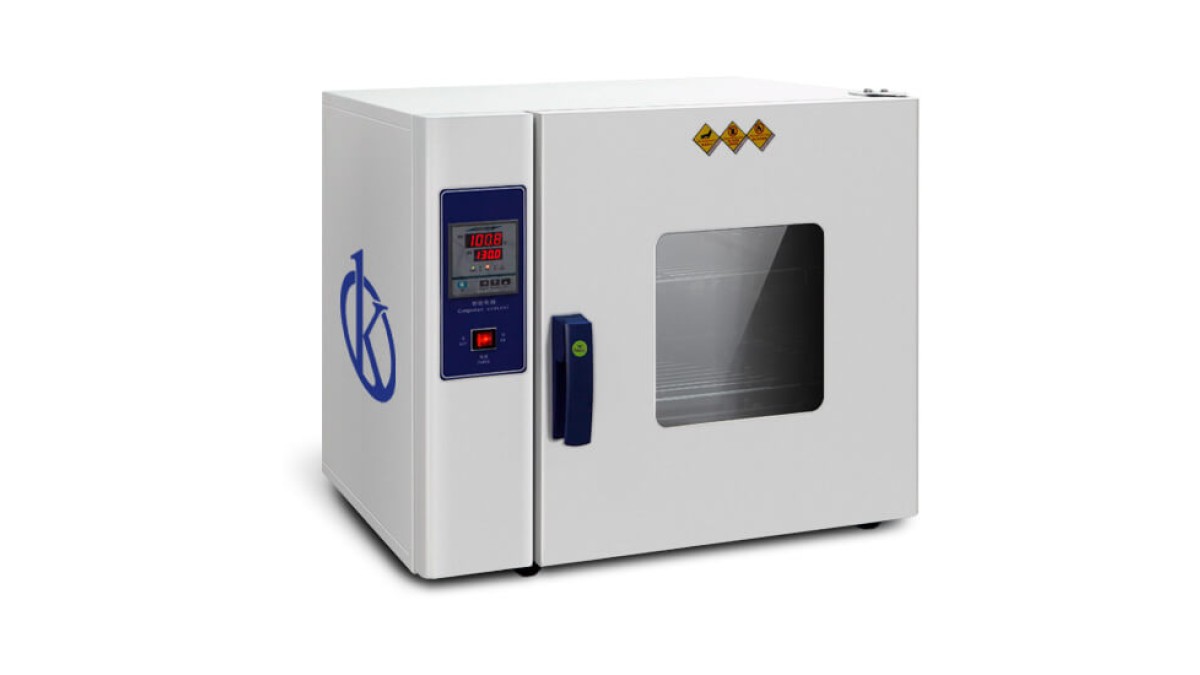
Drying Ovens: Best Techniques and Current Protocols 2026
What is it used for in 2026
In 2026, drying ovens serve multiple essential functions across various laboratory environments. These ovens are primarily utilized for drying samples, sterilization, heat treatment, and maintenance of constant temperature conditions during experimentation. Their precise temperature control makes them invaluable in fields such as biology, agriculture, pharmaceuticals, and environmental studies, where sample integrity and uniformity are crucial.
History and evolution of the technology
The evolution of drying ovens has seen significant advancements over the years. Initially, simple convection ovens were used, primarily relying on ambient air circulation and manual temperature adjustments. However, the introduction of microcomputer-controlled PID (Proportional-Integral-Derivative) systems revolutionized the industry, enabling precise temperature settings and automated workflows. As laboratory demands have increased, modern drying ovens now offer enhanced features, such as programmability, alarms for overheating, and integration with computer interfaces, allowing for more efficient and reliable performance in laboratory applications.
How to use it step by step
Using a drying oven effectively involves several key steps:
- Preparation: Ensure the oven is clean and free of any contaminants. Remove any previous samples and check for proper functioning.
- Set the Temperature: Use the LED display to set the desired temperature based on your specific protocol. Ensure the temperature is within the recommended range for your samples.
- Load the Samples: Place your samples on the shelves or trays inside the oven. Ensure proper spacing for adequate air circulation.
- Timing: Set the timer for the required duration of drying or heating, based on your laboratory guidelines.
- Monitoring: Regularly check the temperature and the status of the samples throughout the process, ensuring no overheating occurs.
- Cooling: After the process, allow the oven to cool down before opening. This helps prevent exposure to hot air and maintains safety.
- Documentation: Record the temperature, time, and any observations during the process for future reference and compliance with laboratory standards.
Best techniques and protocols
Implementing best practices when using drying ovens can significantly enhance results. Key protocols include:
- Calibration: Regularly calibrate the temperature control system to ensure accuracy.
- Load Management: Avoid overloading the oven, which can hinder airflow and lead to uneven drying.
- Sample Placement: Place similar samples together to standardize the drying process and optimize energy use.
- Utilizing Fan Settings: Use fan-assisted drying where applicable to enhance temperature uniformity and drying efficiency.
Practical applications by laboratory type
Different laboratories employ drying ovens for specific applications:
- Biological Laboratories: For sterilizing glassware and drying microbial cultures.
- Chemical Laboratories: In sample preparation, ensuring that solvents and moisture do not affect reactions.
- Food Testing Laboratories: For moisture analysis and food preservation studies.
Regulations, standards and certifications
Adhering to regulations and standards is crucial when operating drying ovens. Ensure compliance with:
- The FDA guidelines for laboratory equipment used in food and drug testing.
- ISO standards for quality assurance in laboratory operations.
- Local health and safety regulations regarding laboratory equipment usage.
Comparison with alternative technologies
When considering drying techniques, it’s important to compare drying ovens with other technologies:
- Microwave Drying: Faster than conventional drying but may not be suitable for all materials.
- Vacuum Drying: Effective for heat-sensitive materials but requires specialized equipment.
Comparison of available models
| Model | Best for | Key specs | Recommended use case |
|---|---|---|---|
| YR05244 | Standard laboratory drying | Temperature range: RT+5~250℃, Accuracy: ±0.1℃ | Best for routine laboratory drying and sterilization. |
| YR05245 | Heavy-duty applications | Temperature range: RT+5~250℃, Accuracy: ±0.1℃ | Suitable for laboratories with higher drying requirements. |
| YR05246 | High precision drying | Temperature range: RT+5~250℃, Accuracy: ±0.1℃ | Ideal for applications requiring uniformity in temperature. |
| YR05247 | Advanced laboratory settings | Temperature range: RT+5~250℃, Accuracy: ±0.1℃ | Recommended for high-end research facilities. |
| YR05248-A | Routine laboratory use | Temperature range: RT+5~250℃, Accuracy: ±1℃ | Cost-effective solution for everyday laboratory drying needs. |
| YR05249-A | High-volume drying | Temperature range: RT+5~250℃, Accuracy: ±1℃ | Best for labs processing large sample batches. |
Common mistakes and how to avoid them
Some common mistakes in using drying ovens include:
- Overloading the oven: This can lead to uneven drying and potential damage to the equipment.
- Ignoring calibration: Failing to calibrate can result in inaccurate temperature readings.
- Neglecting maintenance: Regular checks and cleaning are essential for optimal performance.
Maintenance, calibration and good practices 2026
Maintaining drying ovens involves:
- Regularly calibrating temperature controls to ensure accuracy.
- Cleaning the interior and exterior to prevent contamination.
- Checking seals and insulation to maintain energy efficiency.
Cost-benefit analysis 2026
Investing in drying ovens can yield significant cost benefits, including:
- Improved efficiency in sample preparation, leading to faster project turnaround times.
- Reduced energy costs through advanced technology and better insulation.
- Enhanced reliability and accuracy, reducing the need for repeat experiments.
Frequently asked questions
What are the best practices for using a drying oven in the lab?
Best practices include calibrating the oven regularly, avoiding overloading, placing similar samples together, and monitoring temperature carefully throughout the drying process.
How do I choose the right drying oven for my laboratory?
Consider the specific applications you need the oven for, required temperature ranges, and the volume of samples you typically process. Review the specifications of various models to find the best match.
Can I use a drying oven for sterilization?
Yes, drying ovens are commonly used for sterilization processes, as they can achieve the necessary temperatures to eliminate microbial contaminants.
What is the significance of temperature accuracy in drying ovens?
Temperature accuracy is crucial because it ensures that samples are dried consistently without overheating, which can alter chemical properties or damage sensitive samples.
How can I optimize energy efficiency when using a drying oven?
To optimize energy efficiency, avoid overloading the oven, utilize fan settings for better air circulation, and ensure the oven is properly maintained and sealed.
What are common issues faced when using drying ovens?
Common issues include uneven drying, incorrect temperature settings, and failure to maintain the oven, which can lead to performance degradation over time.
How often should I perform maintenance on my drying oven?
Regular maintenance should be performed at least once every few months, or more frequently depending on usage, to ensure optimal performance and longevity of the equipment.
If you are looking for a fusion of innovation and quality, you have come to the right place. At Kalstein, we offer you the luxury of exploring our exclusive catalog of laboratory equipment. We manufacture every device to the highest standards of excellence. Our intuitive and seamless online purchasing channels are designed for your convenience, securing the most competitive prices. Hesitate no longer — we bring science to life, it is time to become part of our community.