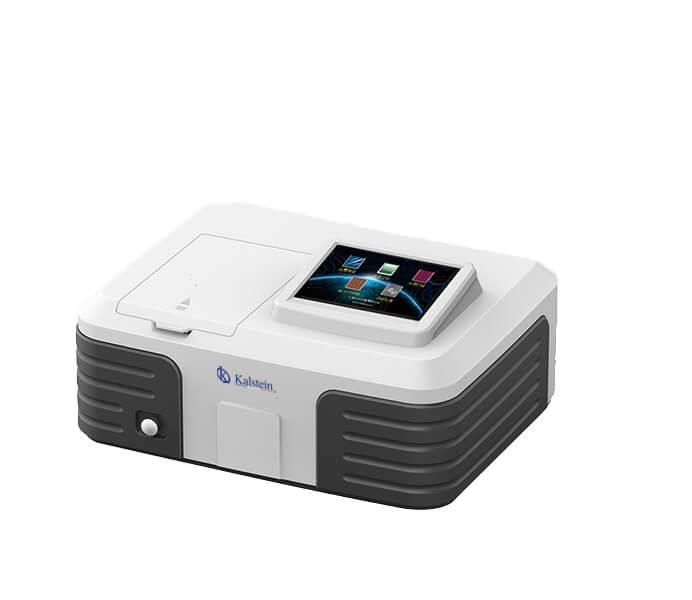
Double Beam Spectrophotometers: Practical Applications and Techniques 2026
Double beam spectrophotometers are sophisticated instruments used primarily in laboratories for quantitative analysis of light absorption across a range of wavelengths. They are essential in various fields including chemistry, biology, and environmental science. This guide will delve into the applications, techniques, and best practices for utilizing these instruments effectively in 2026.
What is it used for in 2026
In 2026, double beam spectrophotometers are used for a range of applications including:
- Quantitative Analysis: Measuring concentration of substances in solution.
- DNA and Protein Testing: Analyzing biological samples for research and diagnostics.
- Environmental Monitoring: Testing water quality and pollutants.
- Quality Control: Ensuring product consistency in manufacturing processes.
- Educational Purposes: Teaching students about light absorption and chemical analysis.
History and evolution of the technology
The double beam spectrophotometer has evolved significantly since its inception. Early spectrophotometers were primarily single beam, which would necessitate numerous recalibrations and adjustments. The introduction of the double beam design allowed for simultaneous comparison of sample and reference beams, enhancing accuracy and stability. Advances in optics and electronics further improved measurement precision, enabling more features in modern models.
How to use it step by step
Using a double beam spectrophotometer involves several steps:
- Preparation: Ensure the device is calibrated and clean. Prepare your samples and reference solutions.
- Setup: Turn on the spectrophotometer and select the appropriate wavelength based on your analysis needs.
- Baseline Adjustment: Use a blank sample to establish a baseline measurement.
- Sample Measurement: Place your sample cuvette into the holder and record the absorbance.
- Data Analysis: Analyze the results using built-in software or export data for further processing.
Best techniques and protocols
To maximize the effectiveness of double beam spectrophotometers, adhere to the following techniques and protocols:
- Regular Calibration: Perform regular calibration to ensure accuracy.
- Sample Handling: Handle samples with care to avoid contamination.
- Consistent Cuvette Use: Always use cuvettes of the same type to avoid discrepancies.
- Data Verification: Cross-verify critical data with another method when possible.
Practical applications by laboratory type
Different laboratories utilize double beam spectrophotometers for various specific applications:
- Chemical Laboratories: Used for quantitative analysis of chemical compounds.
- Biotechnology Labs: Critical for analyzing nucleic acids and proteins.
- Environmental Labs: Essential for testing and monitoring water quality.
- Pharmaceutical Labs: Employed in drug formulation and stability testing.
Regulations, standards and certifications
Compliance with regulations and standards is crucial in laboratory settings. Double beam spectrophotometers must meet specific guidelines set by organizations such as:
- ISO: International Organization for Standardization ensures quality management.
- GLP: Good Laboratory Practices ensures consistency in laboratory operations.
- FDA: For laboratories involved in pharmaceutical analysis and testing.
Comparison with alternative technologies
Compared to single beam spectrophotometers, double beam variants offer enhanced precision and stability. Alternative technologies such as fluorescence spectroscopy provide different analytical capabilities, focusing on detecting low concentrations of fluorescently labeled compounds, which may not be possible with spectrophotometers.
Comparison of available models
| Model | Best for | Key specs | Recommended use case |
|---|---|---|---|
| YR01858 | General laboratory analysis | 320-1100 nm, ± 0.3% T accuracy | Routine testing and calibration |
| YR01862 | Advanced research applications | 190-1100 nm, ± 0.1 nm accuracy | Detailed analysis and research projects |
| YR01862-1 | High precision tasks | 190-1100 nm, HD touch display | Sensitive biological assays |
| YR01862-2 | Versatile applications | 190-1100 nm, Bluetooth connectivity | Laboratory with wireless needs |
| YR01864 | Environmental testing | 190-1100 nm, long optical path design | Water quality analysis |
| YR01865 | Pharmaceutical analysis | 190-1100 nm, ± 0.2% T photometric precision | Drug formulation testing |
Common mistakes and how to avoid them
Here are common mistakes made while using double beam spectrophotometers and tips to avoid them:
- Improper Calibration: Always calibrate before use to ensure accurate results.
- Neglecting Maintenance: Regular maintenance is essential for longevity and performance.
- Sample Contamination: Handle samples carefully to prevent contamination.
- Ignoring Software Updates: Keep the spectrophotometer software updated for optimal performance.
Maintenance, calibration and good practices 2026
For effective operation, maintain your double beam spectrophotometer by:
- Regular Cleaning: Clean optical components and cuvettes post-use.
- Routine Calibration: Follow manufacturer guidelines for calibration schedules.
- Check Connections: Ensure all cables and ports are secure to avoid connectivity issues.
- Environmental Control: Maintain a controlled lab environment to minimize external influences.
Cost-benefit analysis 2026
Investing in a double beam spectrophotometer offers significant long-term benefits. The precision and reliability of data generated justify the initial cost. When selecting a model, consider factors such as:
- Application requirements
- Budget constraints
- Potential savings on consumables through enhanced accuracy
- Future scalability and upgrades
Frequently asked questions
What factors should I consider when choosing a double beam spectrophotometer?
Consider the wavelength range, photometric accuracy, sample capacity, and any additional features like software capabilities and connectivity options.
How often should I calibrate my spectrophotometer?
Calibration should be conducted before each use or after significant changes in operating conditions to ensure consistent accuracy.
Can I use any type of cuvette with a double beam spectrophotometer?
Not all cuvettes are suitable. Ensure that you use cuvettes made from compatible materials such as quartz or glass, depending on the wavelength range you're using.
What are the best practices for sample preparation?
Ensure solutions are homogenous, avoid bubbles in cuvettes, and use clean and dry cuvettes to prevent contamination and interference.
Is training necessary for using a double beam spectrophotometer?
While basic operation is straightforward, proper training is recommended to maximize the device's capabilities and ensure accurate results.
How do I troubleshoot common issues with my spectrophotometer?
For troubleshooting, check calibration settings, ensure that optical components are clean, and verify the integrity of your sample preparation.
How can I request a quote for purchasing a double beam spectrophotometer?
You can easily request a quote through our dedicated service channels for the latest models and competitive pricing.
If you are looking for a fusion of innovation and quality, you have come to the right place. At Kalstein, we offer you the luxury of exploring our exclusive catalog of laboratory equipment. We manufacture every device to the highest standards of excellence. Our intuitive and seamless online purchasing channels are designed for your convenience, securing the most competitive prices. Hesitate no longer — we bring science to life, it is time to become part of our community.