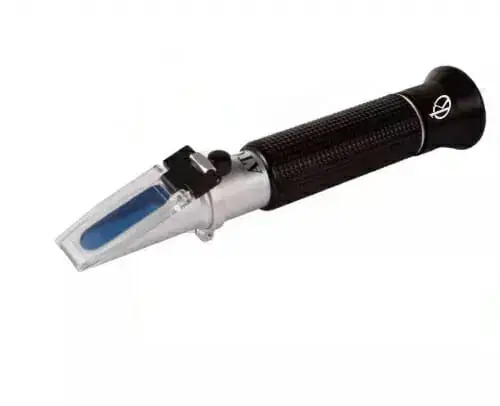
How to Ensure Compliance with ISO/IEC Standards Using Wine Refractometers
In the laboratory environment, especially in fields like winemaking, adherence to international standards such as ISO/IEC is crucial. These standards guide laboratories in providing reliable and accurate results while ensuring safety and efficiency. This article will delve into how wine refractometers can assist in achieving compliance with ISO/IEC standards, specifically focusing on models that are best suited for this purpose.
Understanding ISO/IEC Standards Relevant to Wine Refractometers
ISO/IEC standards cover various aspects of laboratory work, including quality management, technical requirements, and safety protocols. Key standards applicable to laboratories using wine refractometers include:
- ISO/IEC 17025: This standard outlines the general requirements for the competence of testing and calibration laboratories. It emphasizes the importance of accuracy, calibration, and traceability of measurements.
- ISO 15189: Specifically for medical laboratories, it addresses quality and competence, ensuring that laboratories meet the standards for medical testing.
- IEC 61010: This standard provides safety requirements for electrical equipment used in measurement, control, and laboratory use, which is essential for refractometer operations.
Wine Refractometers: Key Features for Compliance
Wine refractometers are designed to provide quick and accurate measurements of sugar content, alcohol level, and other parameters critical in winemaking. Here are key features to consider when choosing a refractometer to ensure compliance with ISO/IEC standards:
- Automatic Temperature Compensation (ATC): Models like the YR05932 feature ATC, which adjusts readings for temperature variations, ensuring measurement accuracy.
- Traceability: Quality refractometers ensure calibration against known standards, vital for compliance with ISO 17025 requirements.
- Material Quality: Refractometers made from pure aluminum, such as the YR05934, are more durable and provide reliable performance over time.
Comparison of Available Models
| Model | Measurement Range | Min Division | Accuracy | ATC | Best For |
|---|---|---|---|---|---|
| YR05931 | 0-80% v/v | 1% v/v | ±1% v/v | No | General alcohol measurements |
| YR05932 | 0-25% Vol, 0-40% Brix | 0.2% Vol, 0.2% Brix | ±0.2% Vol, ±0.2% Brix | Yes | Precise sugar content analysis |
| YR05933 | 0-25% Vol, 0-170° Oe | 0.2% Vol, 1° Oe | ±0.2% Vol, ±1° Oe | Yes | Complex wine compositions |
| YR05934 | 0-20° Baume, 0-25% Vol, 0-40% Brix | 0.2° Baume, 0.2% Vol | ±0.2° Baume, ± | Yes | Versatile refractometer for various uses |
| YR05935 | 0-25% Vol, 0-40% Brix | 0.2% Vol, 0.2% Brix | ±0.2% Vol, ±0.2% Brix | Yes | Standard wine testing |
| YR05936 | 0-80% v/v | 1% v/v | ±1% v/v | No | General alcohol measurements |
Common Mistakes and How to Avoid Them
Laboratories often make mistakes that can jeopardize compliance with ISO/IEC standards. Here are common pitfalls and strategies for avoiding them:
- Neglecting Calibration: Ensure regular calibration of refractometers, particularly models like YR05932, which provide essential accuracy for compliance.
- Ignoring ATC Functionality: Failure to utilize ATC can lead to inaccurate results. Choose models that incorporate this feature, such as YR05934.
- Inadequate Documentation: Maintain thorough records of all measurements and calibrations to support compliance audits and traceability requirements.
How Wine Refractometers Aid in Meeting ISO/IEC 17025 Requirements
ISO/IEC 17025 emphasizes the importance of accurate and reliable testing results. Wine refractometers, especially those with automatic temperature compensation, play a vital role in this. For instance, the YR05932 model provides precise Brix measurements, which are essential for quality control in winemaking. By ensuring compliance with the technical requirements of this standard, laboratories can enhance their credibility and optimize their operational efficiency.
Integrating Quality Control Measures with Wine Refractometers
Quality control is integral to winery operations, impacting everything from fermentation to final product quality. Implementing regular checks using wine refractometers can help in:
- Monitoring Sugar Levels: Keep track of sugar content with models like YR05935 to ensure optimal fermentation.
- Consistency in Production: Utilize refractometers for batch testing to maintain standards across production cycles.
- Compliance Documentation: Record measurements to support compliance with ISO/IEC standards, establishing a traceable history of quality control.
Frequently Asked Questions
How can wine refractometers help comply with ISO 17025 standards?
Wine refractometers like YR05932 assist in complying with ISO 17025 by providing accurate Brix and alcohol content measurements, crucial for laboratory competence. The automatic temperature compensation feature ensures that results are reliable under varying conditions, meeting calibration requirements outlined in the standard.
What are the key features of wine refractometers for regulatory compliance?
Key features include automatic temperature compensation (ATC), robust calibration capabilities, and high material quality, as seen in the YR05934. These features ensure that measurements are accurate and dependable, aligning with ISO/IEC standards.
Which models are best for ensuring accurate sugar content measurements in winemaking?
The YR05932 and YR05935 models are best for accurate sugar content measurements. Their ATC functionality and precise measurement capabilities make them ideal for maintaining compliance with ISO/IEC standards in winemaking.
What documentation is required for ISO/IEC compliance using wine refractometers?
Documentation should include calibration records, measurement logs, and maintenance schedules. Using refractometers such as the YR05933, labs can ensure that their processes are traceable and compliant with regulatory standards.
How often should wine refractometers be calibrated for compliance?
Calibration frequency depends on usage but is generally recommended before each use or daily if used extensively. Models like YR05936 are designed to maintain accuracy, but regular checks ensure compliance with ISO/IEC standards.
What is the importance of automatic temperature compensation in refractometers?
Automatic temperature compensation is crucial for ensuring accurate measurements regardless of ambient temperature changes. Models such as YR05934 utilize ATC to provide reliable results essential for compliance with ISO/IEC standards.
How do I select the right wine refractometer for my laboratory's needs?
Selecting the right refractometer involves considering measurement range, ATC capabilities, and compliance features. Models like YR05932 are ideal for laboratories focused on precise sugar content analysis, crucial for adherence to ISO standards.
What are the risks of not complying with ISO/IEC standards using wine refractometers?
Non-compliance can lead to inaccurate results, regulatory penalties, and a loss of credibility in the industry. Utilizing models like YR05932 helps ensure that laboratories maintain compliance, thereby mitigating these risks.
If you are looking for a fusion of innovation and quality, you have come to the right place. At Kalstein, we offer you the luxury of exploring our exclusive catalog of laboratory equipment. We manufacture every device to the highest standards of excellence. Our intuitive and seamless online purchasing channels are designed for your convenience, securing the most competitive prices. Hesitate no longer — we bring science to life, it is time to become part of our community.