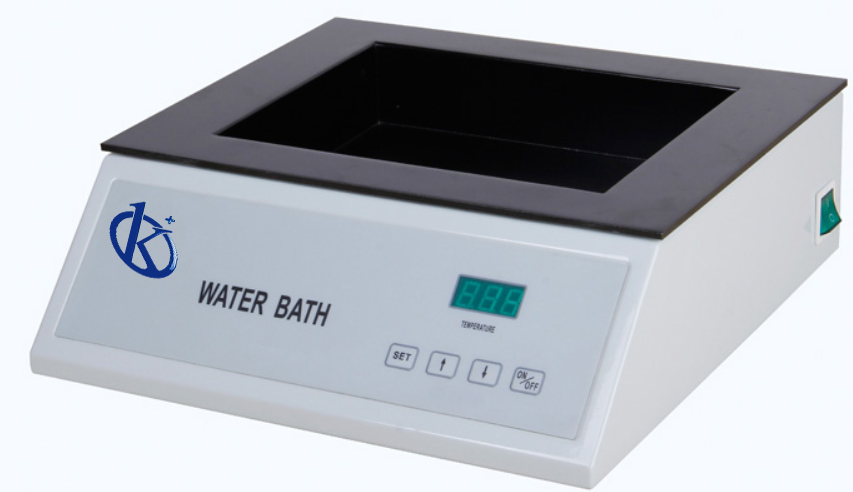
Comparative Analysis of Tissue Water Baths: Evaluating Market Technologies
Tissue water baths play a crucial role in pathological anatomy laboratories, providing controlled environments for tissue processing and histology procedures. This article aims to provide a detailed comparison of various tissue water bath models available in the market, specifically exploring their specifications, features, and the practical applications that make them suitable for different laboratory settings.
Understanding Tissue Water Baths in Pathological Anatomy
Tissue water baths are essential tools in laboratories that handle histological and pathological samples. These devices maintain precise temperatures to ensure the integrity and quality of biological specimens. By creating a stable thermal environment, tissue water baths enhance the reliability of histological staining processes and enable effective sample preparation for microscopic examination.
In this comparative analysis, we will focus on three prominent models — the Water Bath YR449, Water Bath YR451, and Water Bath YR452. Each model possesses unique specifications and capabilities that cater to diverse laboratory requirements.
Comparison of Available Models
| Model Code | Temperature Range | Precision Control | Power Consumption (W) | Best Applications |
|---|---|---|---|---|
| YR449 | RT to 90 ℃ | ±1℃ | 200 | General tissue processing |
| YR451 | 0 - 85 ℃ | ±1℃ | 400 | Advanced histology applications |
| YR452 | RT - 75 ℃ | ±1℃ | 500 | Specialized tissue flotation |
Evaluating Technical Specifications in Tissue Water Baths
When selecting a tissue water bath for laboratory use, several technical specifications must be taken into account, such as temperature range, precision control, and energy efficiency. These factors directly impact the effectiveness and reliability of tissue processing.
Temperature Range
The temperature range of a water bath determines its versatility in handling various types of tissue samples. For instance, the Water Bath YR449 offers a broad range from room temperature (RT) to 90 ℃, making it suitable for diverse applications, including general tissue processing. In contrast, the YR451 has a maximum temperature of 85 ℃, which is ideal for advanced histology applications where precision heating is crucial.
Precision Control
Precision in temperature control is vital for maintaining sample integrity. All three models maintain a precision of ±1℃, ensuring consistent results across different experiments. The YR449's automatic memory functions allow for easier temperature management during repetitive tasks.
Energy Efficiency and Cost Considerations
Energy consumption is a significant factor in the operational costs of laboratory equipment. The YR449, with a power consumption of 200W, is the most energy-efficient option, making it preferable for labs with budget constraints. The YR451 and YR452, while consuming 400W and 500W respectively, provide advanced features that may justify the higher energy use in certain scenarios.
Common Mistakes and How to Avoid Them
When selecting a tissue water bath, labs often overlook the importance of temperature precision and environmental stability. Another common mistake is not considering the specific applications intended for the bath. Always assess the laboratory's specific needs and choose a model that aligns with those requirements to enhance operational efficiency.
Frequently Asked Questions
What temperature range is ideal for a tissue water bath in histology?
The ideal temperature range for a tissue water bath in histology varies by application, but the Water Bath YR449, with its RT to 90 ℃ range, is often recommended for general processing, ensuring flexibility across different staining protocols.
How does energy consumption impact the choice of a tissue water bath?
Energy consumption affects operational costs significantly. The Water Bath YR449 is the most energy-efficient model at 200W, making it an excellent choice for laboratories focused on sustainability and cost management.
What operational features should I look for in a tissue water bath?
Key operational features include precision temperature control, stability, and user interface. The YR451 stands out with LED lighting for real-time monitoring, enhancing usability in dynamic lab environments.
How do I determine the best tissue water bath model for my lab?
Evaluating your lab's specific needs is crucial. Consider factors like sample types, required temperature ranges, and power consumption. For specialized tasks, the YR452 with a robust design is ideal.
What are the benefits of automatic memory in tissue water baths?
Automatic memory features, like those found in the YR449, are beneficial as they store predefined temperatures, minimizing manual input and reducing the risk of human error during repetitive tasks.
Which tissue water bath model offers the best reliability for diverse applications?
The Water Bath YR449 is highly regarded for its broad temperature range and reliability, making it suitable for various applications in histology and tissue processing.
How can I enhance the efficiency of my laboratory with a tissue water bath?
Choosing a model like the YR451 with real-time monitoring capabilities can significantly enhance efficiency by ensuring optimal conditions are maintained throughout the processing cycle, reducing downtime.
What is the typical lifespan of a tissue water bath in a high-throughput lab?
The lifespan of a tissue water bath like the YR451 can vary but is generally around 5-10 years with proper maintenance, depending on usage frequency and adherence to operational protocols.
If you are looking for a fusion of innovation and quality, you have come to the right place. At Kalstein, we offer you the luxury of exploring our exclusive catalog of laboratory equipment. We manufacture every device to the highest standards of excellence. Our intuitive and seamless online purchasing channels are designed for your convenience, securing the most competitive prices. Hesitate no longer — we bring science to life, it is time to become part of our community.