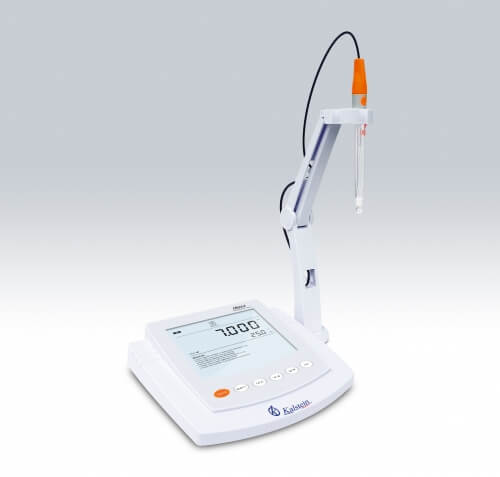
Comparative Analysis of Table Conductivity Controllers: Evaluating Top Models
In laboratory settings, conducting accurate conductivity measurements is crucial for various applications. Table conductivity controllers are essential tools that aid in the determination of water quality, chemical analysis, and more. This article provides an in-depth comparative analysis of various models available in the market, highlighting their features, capabilities, and overall performance. Understanding these aspects will help laboratory professionals make informed choices when selecting the right equipment for their specific needs.
Understanding Table Conductivity Controllers
Table conductivity controllers are devices designed to measure the electrical conductivity of a solution, which indicates its ionic content. This measurement is important in fields such as environmental science, chemistry, and biology. These controllers often come with multiple features, including automatic temperature compensation (ATC), data storage, and different calibration points, which enhance their usability and accuracy.
Comparison of Available Models
| Model | Price (USD) | Calibration Points | Best For | Technical Specifications Highlights |
|---|---|---|---|---|
| YR01836-1 | 355.00 | 1 to 5 | Comprehensive laboratory analysis | Wide pH range, automatic electrode diagnostics |
| YR01836 | 199.00 | Automatic calibration | Daily laboratory tests | USB connectivity, multi-user capability |
| YR01829-1 | 160.00 | 1 to 3 | Routine conductivity checks | Classic design, easy-to-read LCD |
| YR01829-2 | 235.00 | 1 to 3 | Daily testing and monitoring | Temperature compensation, auto-read functions |
| YR01829 | 285.00 | 1 to 3 | Advanced laboratory settings | Touchscreen interface, wireless printing |
| YR01828 | 232.00 | 1 to 3 | Multi-parameter testing | Supports TDS and salinity measurements |
Key Features to Consider
When selecting a table conductivity controller, several features should be prioritized:
- Calibration Points: Models that support multiple calibration points (like YR01836-1) allow for greater accuracy in diverse testing conditions.
- User Interface: A touchscreen interface, as seen in the YR01829, can enhance user experience, especially in busy laboratory environments.
- Temperature Compensation: Automatic compensation ensures measurements are accurate regardless of temperature fluctuations.
- Data Management: USB connections allow for easy data transfer and record-keeping, crucial for labs needing to comply with regulatory standards.
Common Mistakes and How to Avoid Them
Laboratory professionals often encounter pitfalls when selecting table conductivity controllers. Common mistakes include:
- Overlooking Calibration Needs: Not considering the calibration range needed for specific applications can lead to inaccurate results.
- Ignoring User Interface: Choosing models with complicated interfaces can slow down operations and lead to user errors. Opt for user-friendly models like the YR01829.
- Neglecting Maintenance: Failing to regularly calibrate and maintain equipment can affect its longevity and accuracy, making it essential to set up a routine maintenance schedule.
Understanding the Importance of Conductivity Measurements
Conductivity measurements are essential for evaluating water quality, especially in environmental studies and industrial applications. High conductivity indicates a high concentration of ions, which can signify contamination or the presence of certain chemicals. Thus, accurate readings are crucial for compliance with environmental regulations and quality control measures.
Comparative Advantages Over Alternative Technologies
Table conductivity controllers offer distinct advantages over other technologies, such as portable conductivity meters or inline sensors:
- Precision: Table models often provide more accurate measurements due to enhanced calibration methods and controlled environments.
- Ease of Use: With larger displays and more robust interfaces, they are easier to operate than handheld devices.
- Data Management: Many table models offer advanced data management features that portable devices lack, facilitating better record-keeping and compliance.
Performance Metrics and Calibration
Regular calibration is vital for maintaining the accuracy of table conductivity controllers. The recommended calibration schedule varies by model but generally includes:
| Model | Calibration Frequency | Standards Used |
|---|---|---|
| YR01836-1 | Monthly | 10 µS, 84 µS, 1413 µS |
| YR01836 | Every 3 months | NIST Standards |
| YR01829-1 | Every 6 months | 84 µS, 1413 µS |
| YR01829-2 | Every 6 months | Custom Standards |
| YR01829 | Quarterly | 10 µS, 1413 µS |
| YR01828 | Every 3 months | NIST Standards |
Frequently Asked Questions
What are the key parameters to look for in a table conductivity controller?
Key parameters include calibration points, user interface quality, and temperature compensation features. For instance, the YR01836-1 supports up to 5 calibration points, making it suitable for comprehensive laboratory analysis.
How can I ensure my table conductivity controller meets ISO 17025 standards?
To meet ISO 17025, calibrate your equipment regularly, maintain proper documentation, and ensure traceability of measurements. Models like the YR01836-1 come with multiple calibration points that help in maintaining compliance with this standard.
What is the average lifespan of a table conductivity controller?
The lifespan largely depends on usage and maintenance but can range from 5 to 10 years. Regular calibration and adherence to a maintenance schedule can extend the life of models like the YR01829.
Which table conductivity controller is best for environmental monitoring?
The YR01836-1 is highly recommended for environmental monitoring due to its wide pH range and advanced calibration options, making it ideal for diverse testing scenarios.
How often should I calibrate my conductivity meter?
Calibration frequency can vary; however, it is commonly recommended to calibrate monthly or quarterly depending on the model. The YR01836 model suggests calibration every month for optimal performance.
What are the implications of not calibrating my conductivity meter?
Failure to calibrate can lead to inaccurate readings, potentially resulting in poor decision-making based on faulty data. Regular calibration ensures accuracy, especially for models like the YR01829, which require consistent maintenance.
Which conductivity meter offers the best data management features?
The YR01829 provides advanced data management features such as USB connectivity and wireless printing, making it a top choice for laboratories needing to manage large data sets efficiently.
How do I choose the right conductivity meter for my laboratory?
Consider factors such as required precision, calibration needs, and usability. The YR01836 offers extensive features suitable for comprehensive laboratory analysis, while simpler models may suffice for routine testing.
If you are looking for a fusion of innovation and quality, you have come to the right place. At Kalstein, we offer you the luxury of exploring our exclusive catalog of laboratory equipment. We manufacture every device to the highest standards of excellence. Our intuitive and seamless online purchasing channels are designed for your convenience, securing the most competitive prices. Hesitate no longer — we bring science to life, it is time to become part of our community.