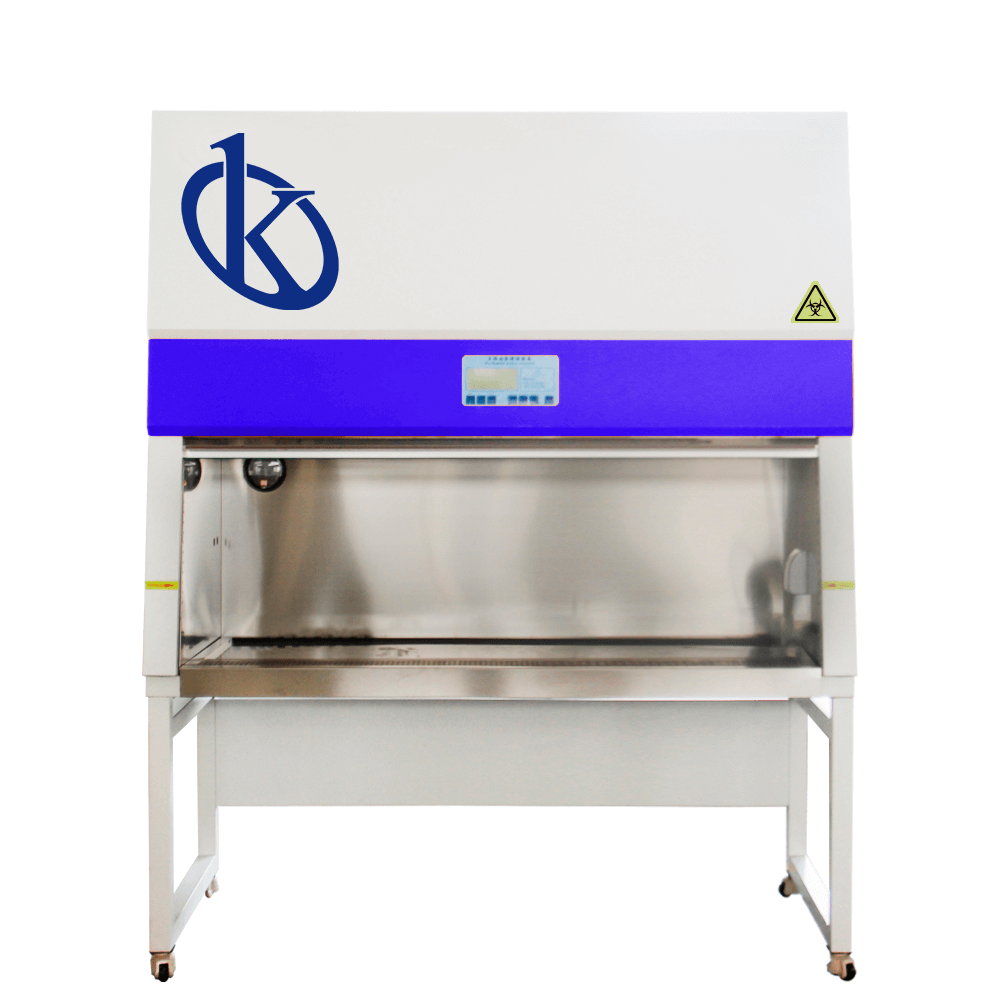
Comparative Analysis of Class II Biosafety Cabinets: Key Features and Alternatives
Biosafety cabinets play a crucial role in ensuring a safe laboratory environment by protecting users and the surrounding area from biological hazards. This article provides a comprehensive comparison of various Class II Biosafety Cabinets, examining their features, applications, and advantages over alternative technologies.
Understanding Class II Biosafety Cabinets
Class II Biosafety Cabinets are designed to provide both product protection and personnel safety. They achieve this through a combination of laminar airflow, HEPA filtration, and a negative pressure environment. These cabinets are essential in laboratories working with infectious agents or hazardous materials, ensuring compliance with biosafety regulations.
Comparison of Available Models
| Model Code | Description | Price (USD) | Best for |
|---|---|---|---|
| YR05704 | 100% Exhaust Class II A2 Biosafety Cabin. Features a vertical airflow design and full closure for sterilization. | 1600.00 | Low to medium throughput laboratories requiring effective cross-contamination protection. |
| YR05705 | 100% Exhaust Class II A2 Biosafety Cabin. Similar design with slight variations for improved usability. | 1650.00 | Medium throughput laboratories needing versatility in handling materials. |
| YR05706 | 100% Exhaust Class II A2 Biosafety Cabin. Enhanced features for advanced biosafety needs. | 2150.00 | High throughput laboratories focusing on maximum safety. |
| YR0090-A | Biosafety Cabinet Class II A2. Compact design suitable for tight laboratory spaces. | 1260.00 | Small laboratories or educational institutions requiring budget-friendly options. |
| YR05270 | Biosafety Cabinet Class II. Equipped with a HEPA filter for stringent safety standards. | 2750.00 | Complex experimental setups demanding high reliability and effectiveness. |
| YR05271 | Biosafety Cabinet Class II. Similar to YR05270 but with additional features for user comfort. | 2940.00 | High-end research facilities with increased operational demands. |
Key Features to Consider in Class II Biosafety Cabinets
When comparing Class II Biosafety Cabinets, several key features should be scrutinized:
- Airflow Design: Ensures effective contamination control and safety.
- HEPA Filtration: Critical for trapping airborne particles and pathogens.
- Noise Levels: Important for maintaining a conducive working environment.
- Energy Efficiency: Reduces operational costs while maintaining performance.
Advantages of Class II Biosafety Cabinets Over Alternatives
Class II Biosafety Cabinets offer several advantages over other safety options such as chemical fume hoods and biological safety cabinets of lower classes:
- Enhanced protection: Specifically designed to handle biohazardous materials effectively.
- Versatility: Suitable for a variety of applications from microbiology to virology.
- Regulatory Compliance: Helps meet stringent safety regulations established by organizations such as CDC and NIH.
Operational Considerations for Effective Use
To maximize the effectiveness of a Class II Biosafety Cabinet, proper operational procedures must be followed:
- Regular Maintenance: Key for ensuring optimal performance and compliance with safety standards.
- Training: Users should be well-versed in the best practices for using the cabinets.
- Performance Verification: Routine checks to confirm that airflow and filtration systems are functioning correctly.
Common Mistakes and How to Avoid Them
Many laboratories make critical errors when implementing biosafety cabinets. Here are some common mistakes and tips on how to avoid them:
- Inadequate Training: Ensure all users are properly trained on the cabinet's operation and safety protocols.
- Poor Maintenance: Schedule routine servicing and filter changes to maintain performance.
- Ignoring Performance Tests: Regularly test the cabinet's airflow and containment to ensure it meets safety standards.
Frequently Asked Questions
How do Class II biosafety cabinets compare in terms of energy efficiency?
The energy efficiency of Class II biosafety cabinets varies by model. For instance, the YR05704 model operates at a maximum power consumption of 400W, making it one of the more energy-efficient options for laboratories focused on reducing operational costs.
What regulations do Class II biosafety cabinets help laboratories comply with?
Class II biosafety cabinets assist laboratories in meeting safety regulations set forth by organizations like the CDC and NIH. Models such as the YR05270 provide features that ensure compliance with ISO 14644.1 standards, vital for laboratories handling hazardous materials.
What is the average lifespan of a Class II biosafety cabinet?
The average lifespan of a Class II biosafety cabinet is typically around 10-15 years, depending on maintenance practices. Regular servicing of models like YR05706 can extend its usability effectively while ensuring safety protocols remain intact.
How much does a Class II biosafety cabinet cost on average?
Class II biosafety cabinets range in price from approximately $1260 for basic models like YR0090-A to about $2940 for advanced models such as YR05271, depending on features and specifications. This price range allows labs of various sizes and budgets to find suitable options.
What features should I look for in a high-performance biosafety cabinet?
When selecting a high-performance biosafety cabinet, look for features such as HEPA filtration, effective airflow management, low noise levels, and user-friendly designs. Models like YR05705 offer a good balance of these features for enhanced laboratory safety.
Which Class II biosafety cabinet is best for educational institutions?
For educational institutions, the YR0090-A model is an excellent choice due to its cost-effectiveness and compact design, making it suitable for smaller lab settings while providing reliable biosafety features.
How do I ensure my biosafety cabinet meets all safety standards?
To ensure compliance with safety standards, it is essential to conduct regular maintenance and performance testing. Models like YR05270 are designed with features that facilitate these checks, ensuring ongoing compliance with standards like ISO 14644.1.
What maintenance is required for Class II biosafety cabinets?
Regular maintenance for Class II biosafety cabinets includes filter changes, performance testing, and calibration of airflow systems. Following the manufacturer's guidelines for models like YR05706 ensures optimal functioning and compliance with safety regulations.
If you are looking for a fusion of innovation and quality, you have come to the right place. At Kalstein, we offer you the luxury of exploring our exclusive catalog of laboratory equipment. We manufacture every device to the highest standards of excellence. Our intuitive and seamless online purchasing channels are designed for your convenience, securing the most competitive prices. Hesitate no longer — we bring science to life, it is time to become part of our community.