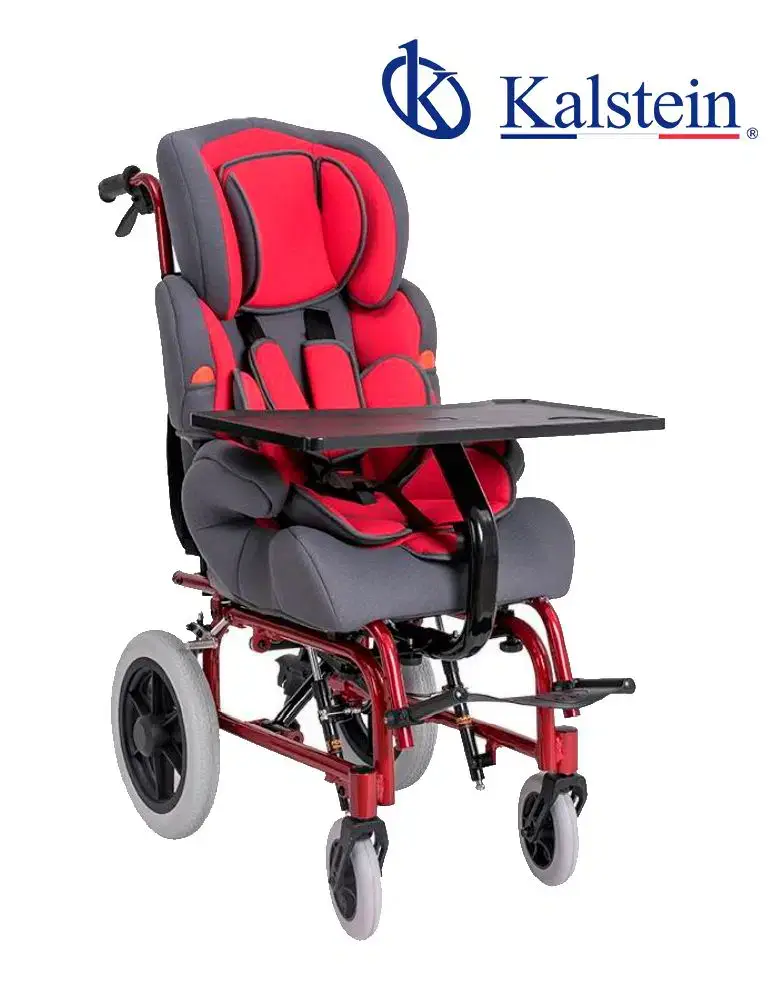
How Children Wheelchairs Enhance Academic Research and University Projects
In academic research and university projects, the inclusion of children with mobility challenges has become increasingly important. Children wheelchairs serve as essential tools for facilitating participation in various research activities, ensuring that young scholars can engage fully in academic environments. This article explores various models of children wheelchairs, delving into their specific features and benefits for academic research and projects.
Importance of Children Wheelchairs in Academic Settings
Children with mobility impairments often face barriers in academic settings, limiting their participation in research and practical activities. Children wheelchairs not only provide mobility but also enhance social interaction and learning experiences. They enable students to engage with peers, participate in group projects, and access educational resources effectively.
Specific Use Cases of Children Wheelchairs in Research
Children wheelchairs are pivotal in various research environments, allowing researchers to study mobility aids' impact on learning and socialization. They facilitate data collection on mobility, independence, and the psychological aspects of using wheelchairs among children. Additionally, these models can be used in experiments involving physical activities, thereby broadening the scope of research to include diverse populations.
Comparison of Available Models
| Model | Width of Seat (cm) | Depth of Seat (cm) | Weight Capacity (kg) | Price (USD) |
|---|---|---|---|---|
| YR05459 | 30 | 39 | 75 | 424.00 |
| YR05460 | 42 | 35 | 75 | 456.00 |
| YR05457 | 38 | 39 | 100 | 302.00 |
| YR05458 | 38 | 39 | 100 | 422.95 |
| YR06611 | 34 | 33 | 75 | 316.00 |
Common Mistakes and How to Avoid Them
In selecting children wheelchairs for academic purposes, common mistakes include overlooking the specific needs of the child and failing to consider the research environment. It's crucial to assess the wheelchair's dimensions, weight capacity, and adjustability to ensure it meets the requirements of both the child and the academic project. Engaging with professionals and conducting thorough evaluations can reduce these risks considerably.
How Children Wheelchairs Promote Inclusivity in Education
Inclusivity in education is imperative, and children wheelchairs play a significant role in achieving this goal. By providing mobility aids, educational institutions can create an environment where all students can participate equally. This not only fosters a sense of belonging but also encourages diverse perspectives in research projects, making academic findings more comprehensive and impactful.
Integration of Technology in Children Wheelchairs
Modern children wheelchairs often come equipped with technological advancements that enhance mobility and accessibility. Features such as adjustable seating, safety harnesses, and lightweight materials are crucial for academic settings. These technological improvements ensure that children can navigate various environments easily, significantly contributing to their research participation and collaboration.
Case Studies: Successful Integration of Children Wheelchairs in Research
Research projects have successfully integrated children wheelchairs, showcasing significant improvements in participation rates among children with mobility impairments. One particular project examined the effects of mobility aids on social interaction in classroom settings. Findings revealed that children using wheelchairs engaged more frequently with their peers, promoting collaborative learning and enhancing their overall educational experience.
Future Trends in Children Wheelchairs for Academic Use
As technology evolves, so do the designs and functionalities of children wheelchairs. Future models are expected to incorporate smart technology, which will provide valuable data on mobility and accessibility. However, it is essential for researchers and educators to remain vigilant about the changing needs of children and adapt their approaches accordingly to ensure that all students can benefit from these advancements.
Frequently Asked Questions
How do children wheelchairs improve participation in academic research?
Children wheelchairs enhance participation by providing mobility and independence to children with mobility impairments, enabling them to engage in research activities thoroughly. Models like YR05459 and YR05460 are designed for optimal comfort and adaptability in academic settings.
What features should I look for in a children wheelchair for research projects?
Key features to consider include adjustable seating, weight capacity, and safety features. Models such as YR06611 provide adjustable armrests and reclining features that enhance usability in academic research environments.
Which children wheelchair model is best for educational projects?
The YR05457 model is an excellent choice for educational projects due to its high weight capacity of 100 kg and its overall dimensions, making it versatile for various academic activities and environments.
How do children wheelchairs promote inclusivity in educational institutions?
Children wheelchairs promote inclusivity by allowing children with mobility challenges to participate fully in classroom activities and group projects, fostering a collaborative learning environment that benefits all students.
What role do adjustable features play in children wheelchairs for school use?
Adjustable features in children wheelchairs, like those found in YR05458, play a significant role in ensuring comfort and support for children, allowing them to focus on their studies without physical discomfort.
How can I assess the suitability of a children wheelchair for research activities?
Suitability can be assessed by evaluating the wheelchair's dimensions, weight capacity, and adjustability features. Engaging professionals for recommendations based on models like YR05460 can provide valuable insights for research requirements.
What are the future trends in children wheelchairs for academic use?
Future trends may include the integration of smart technology and enhanced designs that cater to the evolving needs of children, ensuring that they remain functional and effective in academic research environments.
Why is it essential to consider the specific needs of children when selecting a wheelchair?
Considering specific needs is crucial as it ensures that the wheelchair provides adequate support and comfort, enhancing the child's ability to participate in research activities. Models like YR06611 are designed to meet diverse needs effectively.
If you are looking for a fusion of innovation and quality, you have come to the right place. At Kalstein, we offer you the luxury of exploring our exclusive catalog of laboratory equipment. We manufacture every device to the highest standards of excellence. Our intuitive and seamless online purchasing channels are designed for your convenience, securing the most competitive prices. Hesitate no longer — we bring science to life, it is time to become part of our community.