
What are the steps to use a muffle?
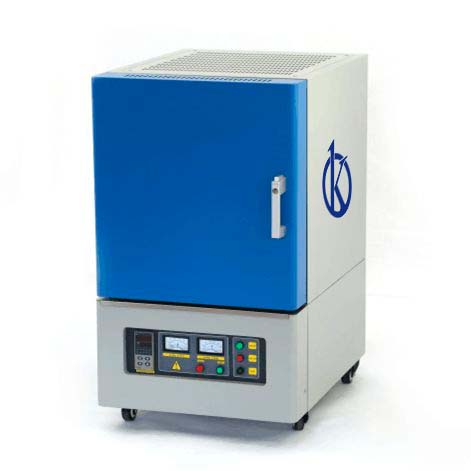
A muffle is an oven used in laboratories. It is a laboratory equipment specially designed for procedures requiring uniform exposure to very high temperatures. In other words, they are used for substance calcination, substance drying, casting and control processes, as well as for heat treatment of hardening and cleaning injection molds.
Advantages and Disadvantages of using a Rotary Evaporator?
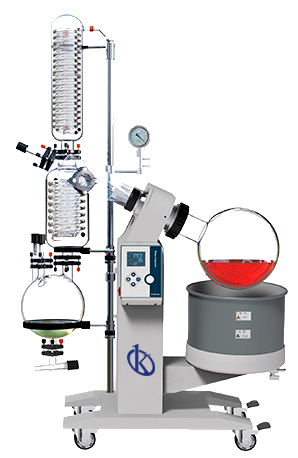
A Rotary evaporator is a laboratory equipment, applied in the chemical sector, capable of separating or rescuing substances at very low pressures, to extract from them the various elements that compose it, through distillation processes, and to be able to separate the components from each other.
PH meter or pH meter: How should it be used?
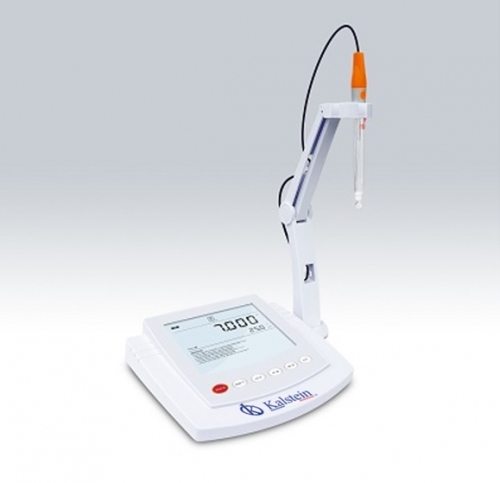
A pH meter is an instrument used to measure the acidity or alkalinity of a solution. The information provided by this equipment expresses the degree of acidity of an acid or base in terms of the activity of hydrogen ions.
What is the usefulness of a Rotavaporador in a laboratory?
A Rotavaporador is an equipment that in general has different uses in laboratories and other areas of application; it serves to separate the basic components of a solid, by distillation and subsequent condensation; it can also be used as a multifunctional system in combination with a vacuum pump, a vacuum controller and circulation coolers.
What is a Rotary Evaporator for?

The rotary evaporator or rotary evaporator, is a device that is designed to separate different solvents from a sample, by distillation processes. It is performed, causing heating to the substance and thus separates all its elements using the difference of boiling points.
What is a Rotary Evaporator?
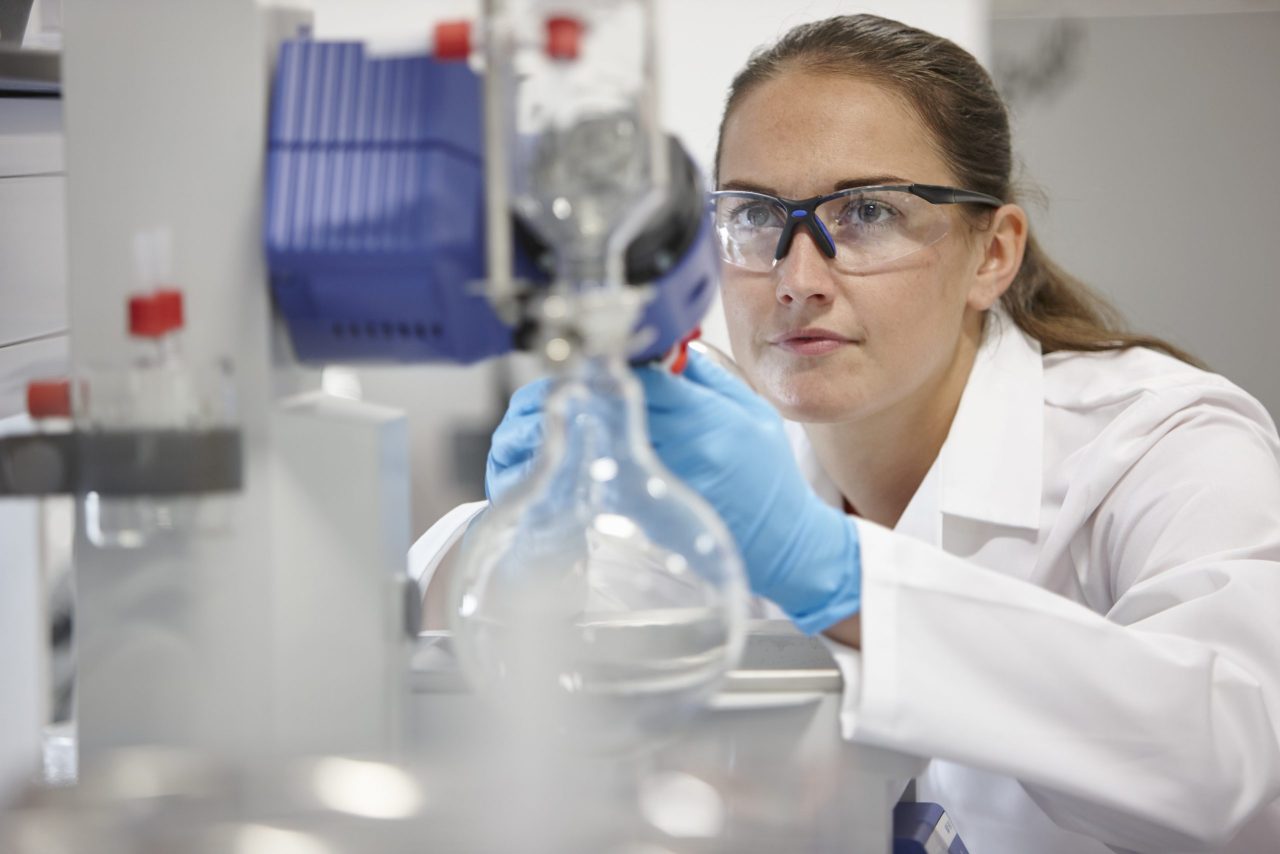
The rotary evaporator, commonly called rotary evaporator, is a equipment used in organic chemical laboratories, and indispensable for the efficient and smooth removal of solvents from evaporative samples. Usually, in laboratories the equipment is applied to perform examinations, experiments and chemical, medical and biological procedures. Likewise, they are used in different areas and institutions such as: chemical industry, pharmaceutical industry, laboratories and hospital sector.
Chemical laboratories and rotary evaporators
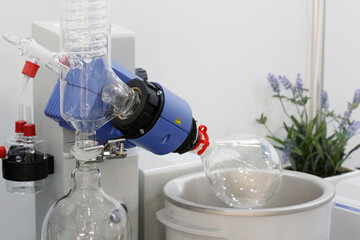
In chemistry laboratories, it is very common that reactions, experiments, chemical or even biological procedures are carried out continuously, so it is necessary to have at hand specialized equipment that facilitate the tasks to be performed daily, one of these instruments is known as rotary evaporator or rotary evaporator, widely used both in chemistry laboratories, as in the pharmaceutical industry or in the hospital sector.
Using the Bacticinerator for the Cosmetic Laboratory
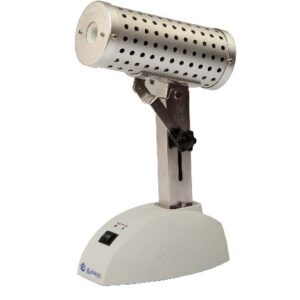
Cosmetics are products that we use to clean, protect and alter our appearance. They can be found in almost every home and are used every day by people of all ages. Although cosmetics have been around for thousands of years, their ingredients and formulations have changed dramatically over time.
Using Urinalysts to Detect Kidney Cancer
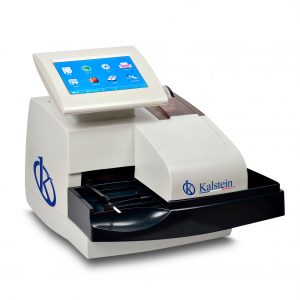
Kidney cancer is a serious disease, but fortunately, effective treatments are available if caught early. Urinalysts can detect kidney cancer at an early stage, allowing for more effective treatment and better results. Urinalysts use a technique called thin-layer chromatography (TLC) to detect cancer cells in urine samples. TLC is a method of separating components in a mixture, and can be used to detect cancer cells in urine samples.
Detection of Sexually Transmitted Diseases with the Use of Chemical Analyser
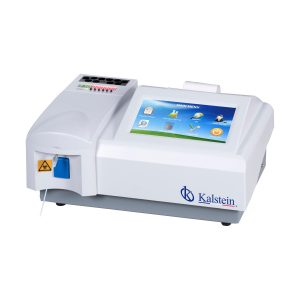
Chemistry or biochemistry analyzers are devices used in the detection of sexually transmitted diseases (STDs). The chemistry analyser allows the measurement of the concentration of different substances in a sample of blood, urine or tissues. This technology has been used for many years in the diagnosis of infectious diseases, including STDs.