
The benefits of using laboratory furniture for safety
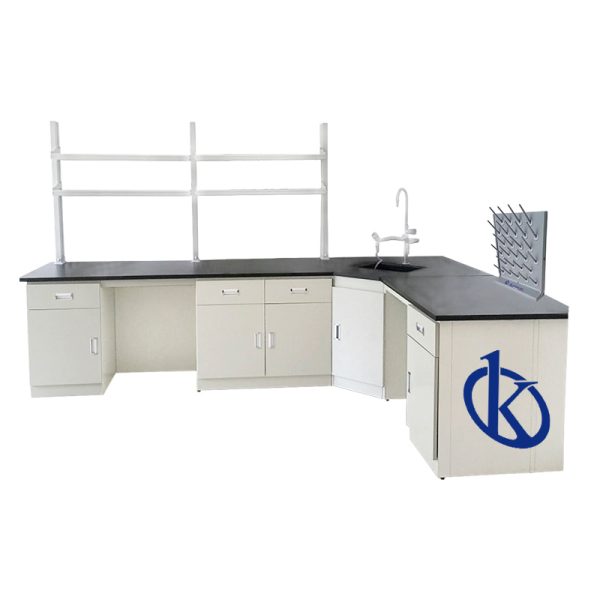
The use of laboratory furniture is essential for proper laboratory safety. Laboratory furniture includes work tables, shelves, chairs, cabinets, drawers, and other safety devices. Laboratory furniture is designed to provide a safe place to conduct scientific experiments and to provide safety for users. This is not only for design reasons, but also because of the materials they are made of, which are both mechanically and chemically resistant.
What are the advantages and disadvantages of using laboratory centrifuges?
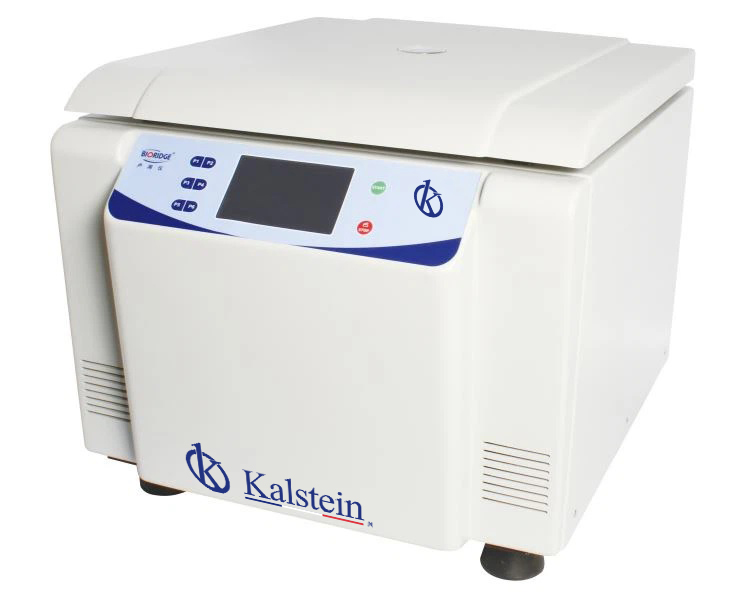
Centrifuge is a machine with mechanical and electronic components essential for most natural science laboratories, including those in biomedicine, chemical biology, bioinformatics and genetics. This extraordinary machine offers many advantages and disadvantages that you have to consider before buying it and using it in a laboratory. At first glance, it looks like a complicated machine, but in reality, all its operating parameters are easy to understand and the same operating principle applies to all models.
Unlocking Innovation with Climate Chambers for Laboratories

Modern experimental laboratories span a wide range of research areas, from engineering and health sciences to biotechnology; according to a report in the Journal of Chemical Engineering, the budget for experimental equipment is expected to increase annually over the next five years.
The latest frontier in analytical science: Spectrophotometry for laboratory

Spectrophotometry is one of the last frontiers, which is open to laboratory analysts. This indispensable chemical analysis technique is used to determine the amount and absolute concentration of a given substance in a given sample. It is a useful technique to study the absorption and emission of light in a sample, which produces readings of different wavelengths. Due to the increased exploitation of natural resources, controlling the amount and concentration of compounds is the primary objective of spectrophotometry.
What type of human resources are required for the operation of laboratory hematology analyzers?
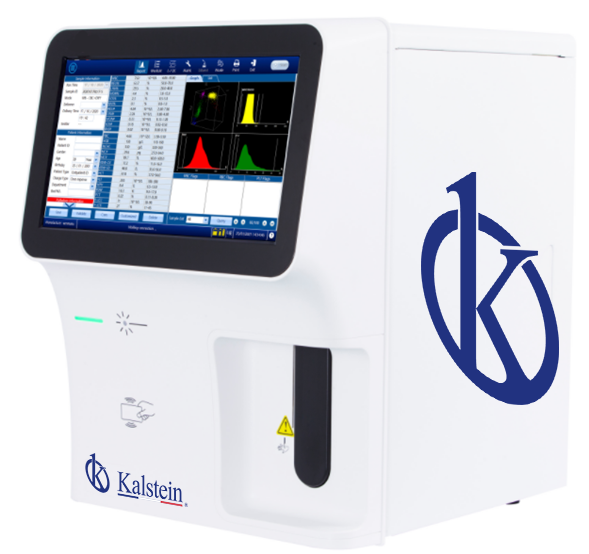
For the successful use of hematology equipment, the laboratory management shall select, recruit, train and maintain a quality staff capable of operating the hematology analyzers. This staff must have a thorough knowledge of the correct use of the equipment, in addition to being aware of the principles and values of the workplace, as well as the technical requirements. If done correctly, this will have a solid basis for the analyzers, which will ensure accurate and safe diagnosis for patients.
Spectrophotometry ensures accuracy in laboratory results
Spectrophotometry is an important tool for laboratories performing chemical tests. This technique is used to determine the concentration of a substance in a sample. To do this, it uses a measuring instrument known as a spectrophotometer, which can determine this with great precision. Spectrophotometry is considered as a form of qualitative analysis which means determining the concentration by limiting the information to qualitative results.
How is the filter change performed in the water purification system in the laboratory?
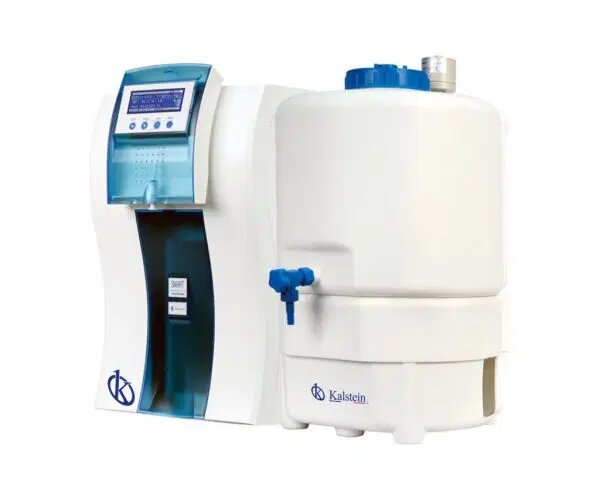
Water production and maintenance of a water purification system should be simple processes. However, if proper maintenance practice has not been followed, they may become a problem. In particular, the aspect related to water production is important, because the water quality standards for the laboratory are strict. Water purification systems need to be able to meet the requirements of these standards, consistently and at the appropriate volume.
How are newborn incubators specifically designed?
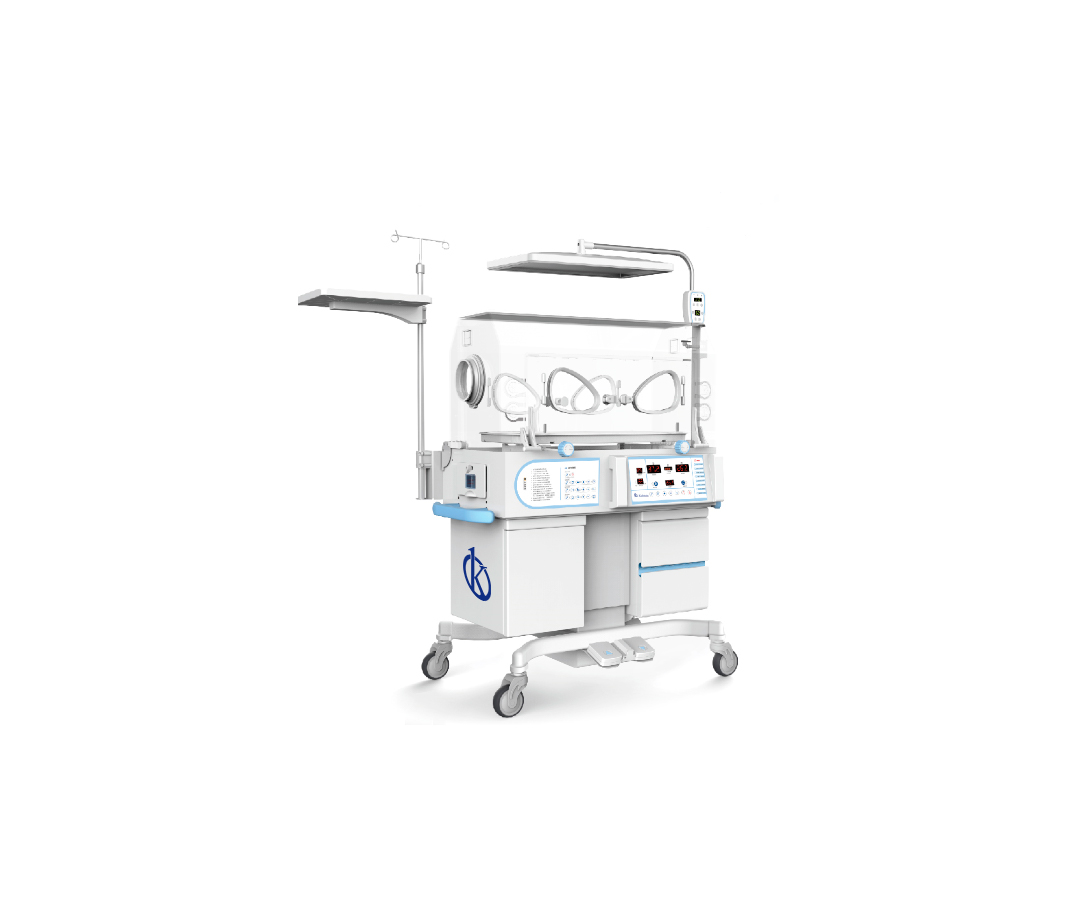
Newborn incubators are unique because they are designed to provide a safe and controlled environment for your baby’s development, as well as to help track his or her health; these medical tools offer life support for premature newborns who do not yet have the ability to regulate their body temperature.
Analysis of the results obtained with laboratory reagents

The analysis of the results obtained with laboratory reagents is an important procedure in the study of different samples of materials and their associated quality. Laboratory reagents are used to detect, identify, or quantify any chemical characteristic in a given sample. These reagents are essentially highly purified chemicals that change color in the presence of specific products or by the presence of certain characteristics. This response is visible with the use of a combination of reagents and systematic procedures.
Management of muffle residues in the laboratory
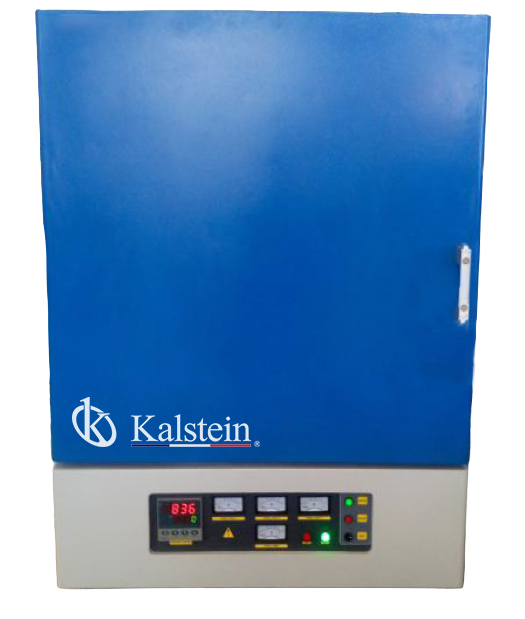
The muffle, is an instrument that works with high temperatures and is made up of a closed chamber that has a cover of refractory material that allows there can be a uniform heat delivery in it, the temperature that manages to reach is approximately 1,700 °C. The muffle, compared to other types of furnaces, allows a better control of the sample that is entered, making it possible to control the procedure.