
Unraveling Total Organic Carbon Analyzer Performance in Laboratories

To monitor water quality and safety, industrial and research laboratories rely on an important instrument: the Total Organic Carbon Analyzer (TCOA). This equipment is a vital component of quality control procedures and sanitary supervision, as it helps to determine the amount of organic carbon present in a water sample.
Smart Pipettes The New Allies in Medical Research
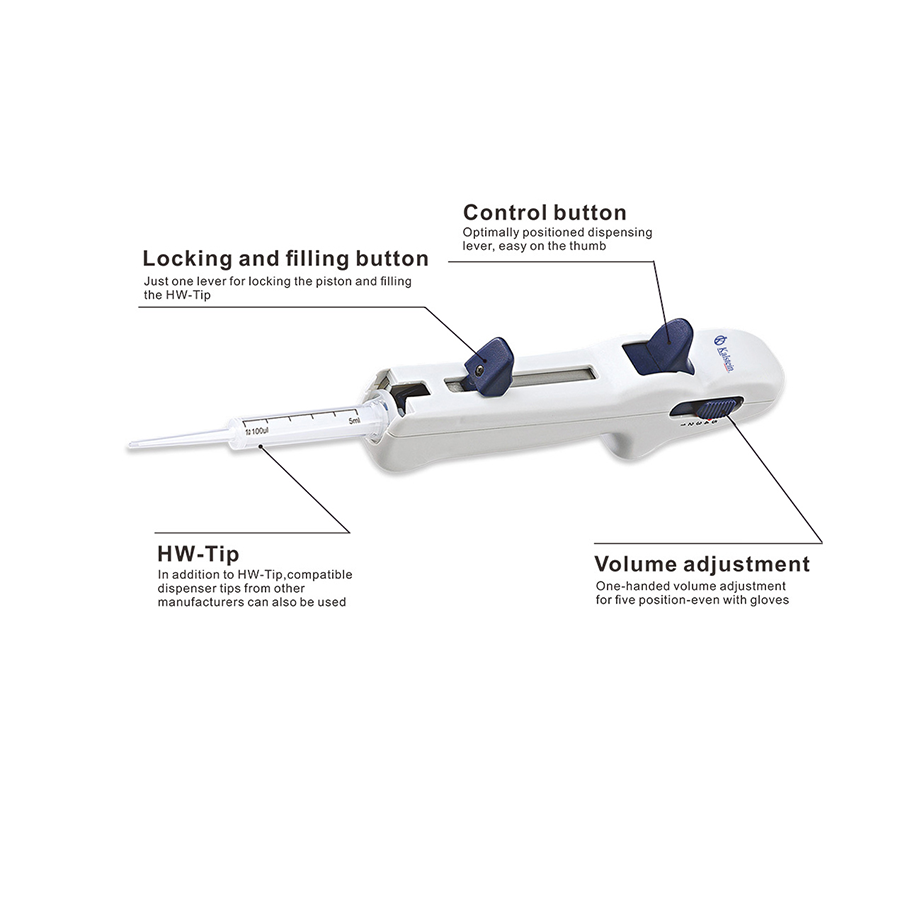
In the race for precision and efficiency in medical research, smart pipettes are emerging as indispensable tools. Produced by expert manufacturers of laboratory equipment, these smart pipettes are not only optimizing research efforts, but also changing the way scientists work and collaborate.
Caring for Your Total Organic Carbon Analyzer: Effective Practices for Optimal Performance
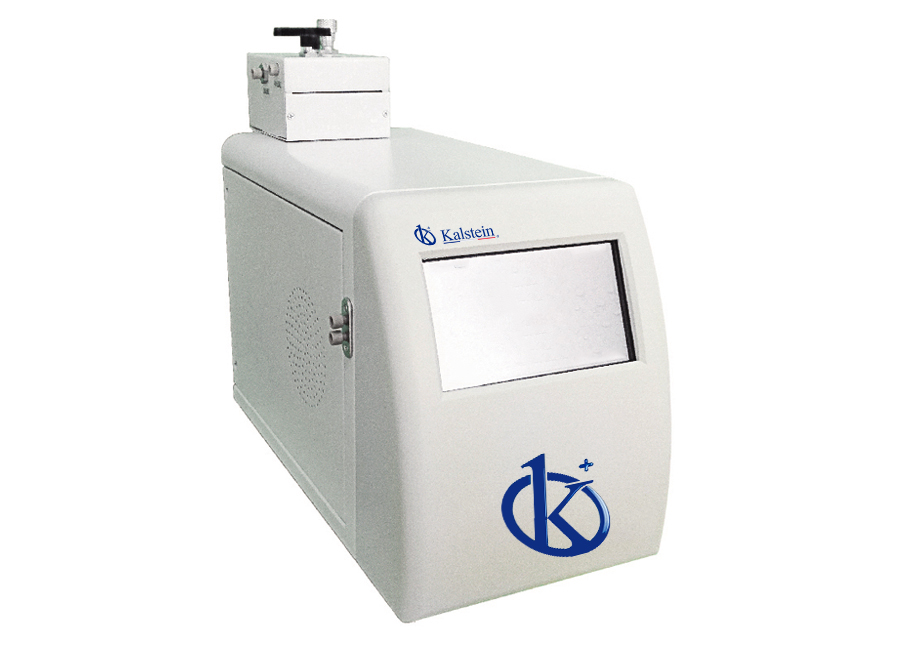
When analyzing water quality, one of the most crucial components to consider is total organic carbon (TOC). A Total Organic Carbon Analyzer is an exceptionally useful device for performing this task. Like any other sophisticated equipment, proper care and maintenance of these analyzers is essential to ensure the accuracy and efficiency of their operation.
Improving Your Laboratory Efficiency with a Total Organic Carbon Analyzer
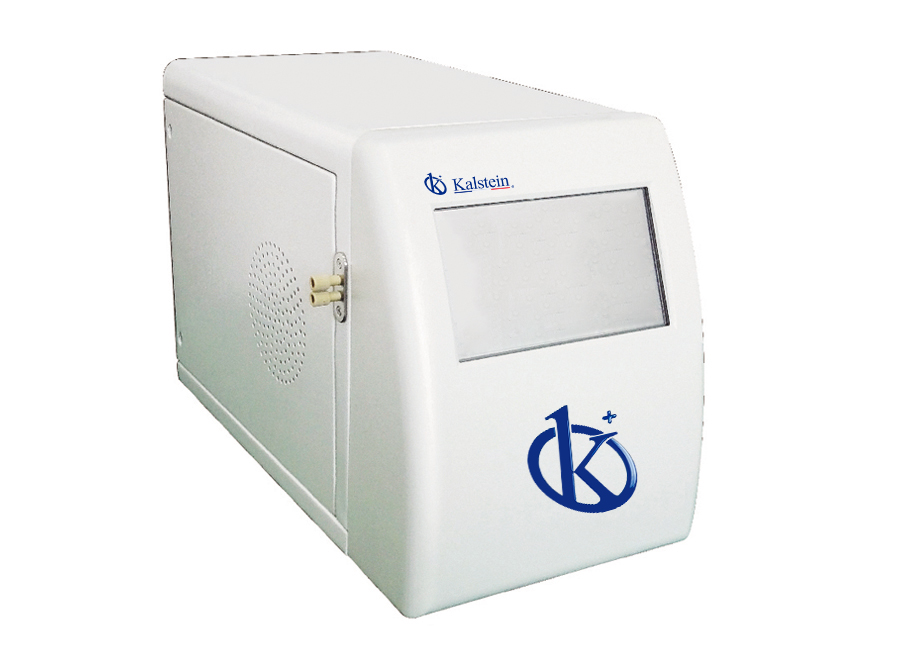
In modern science, a laboratory must be efficient, accurate and effective. To this end, the incorporation of cutting-edge technology such as the Total Organic Carbon (TOC) Analyzer contributes greatly. This device not only improves the quality of work, but also contributes significantly to laboratory efficiency.
How does a Transilluminator for Gels work?
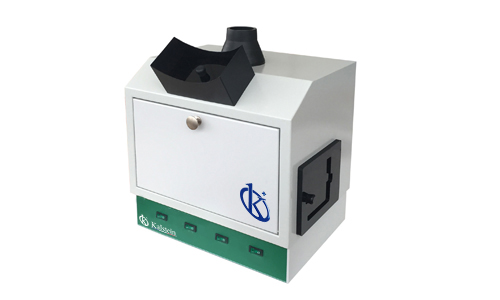
The transilluminator is one of the most valuable devices in a molecular biology laboratory. This often underestimated device plays a crucial role in the visualization and documentation of agarose and polyacrylamide gels. But what exactly is a transilluminator and how does it work?
Everything you need to know about transilluminator for gels
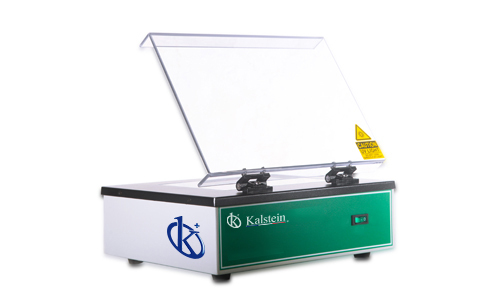
The transilluminator, also known as a backlighting device, is a machine implemented in various genetic and biochemical analyses to visualize compounds such as nucleic acids (DNA and RNA) and proteins previously separated by gel electrophoresis. This equipment works by emitting ultraviolet (UV) light or light of other wavelengths, depending on the type of stain used in the gel. This light passes through the gel, causing the labeled compounds to glow and become visible to the researcher.
Improving your lab efficiency with the use of a gel transilluminator
Transilluminators, also known as darkfield illuminators, are laboratory equipment that have the potential to significantly change the efficiency of your lab. They are often used in molecular biology experiments to visualize DNA and RNA fragments after performing techniques such as gel electrophoresis. But how exactly does a transilluminator work and how can it improve the operation in your lab?
Laboratory Equipment Technologies: Kalstein vs. Preekem CoolPex Vs. Sineo Tank
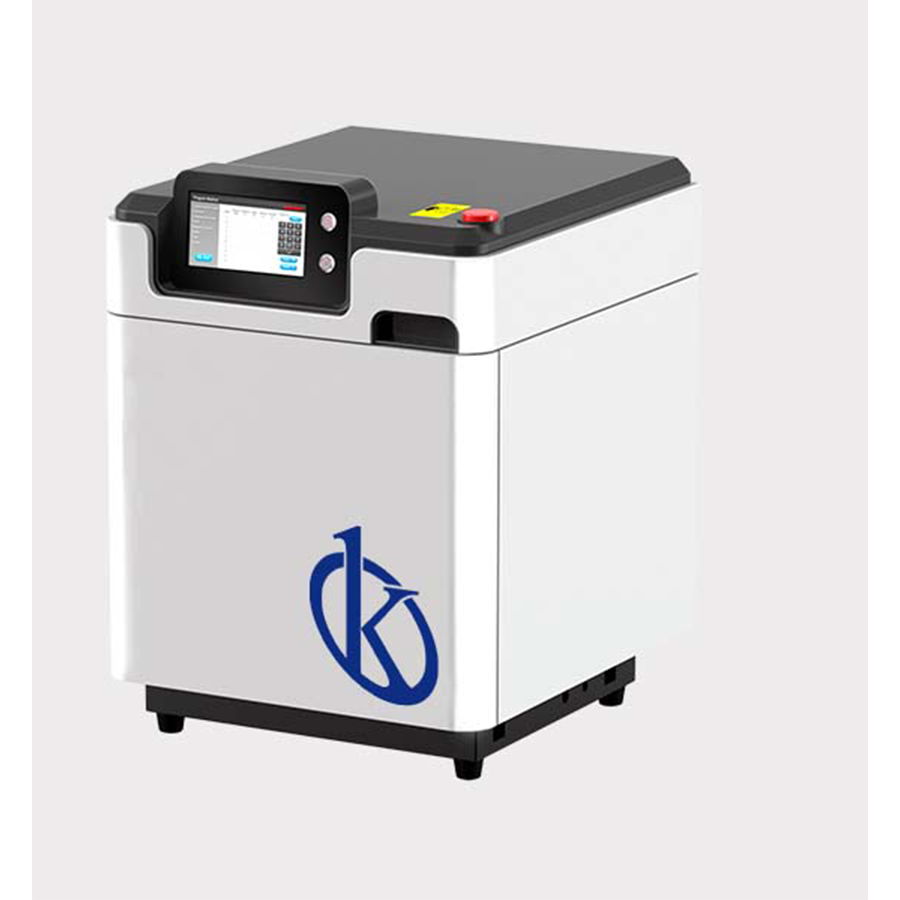
In a laboratory environment, having quality equipment is crucial for obtaining accurate and reliable results in research. In this article, we specifically examine three notable manufacturers: Kalstein, Preekem CoolPex, and Sineo Tank, comparing their technical features to determine which is the most suitable for a modern laboratory.
What is an ultrasonic cleaner used for?
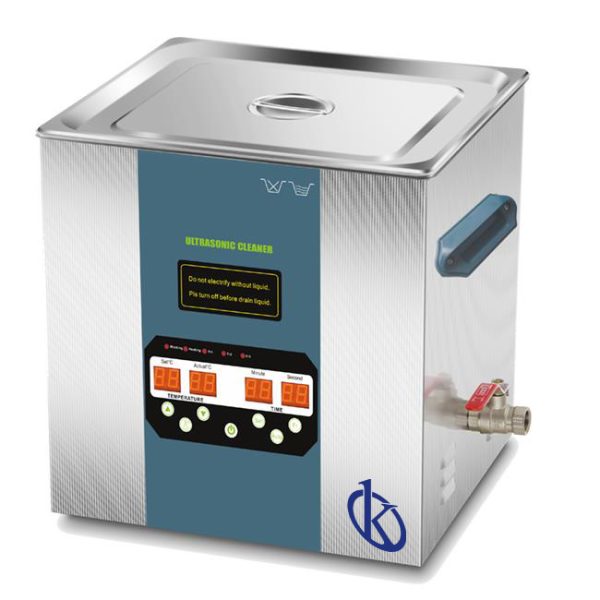
An ultrasonic cleaner is a device that allows effective cleaning of delicate items or hard-to-reach areas, removing dirt and bacteria that other cleaning devices are unable to remove. They are usually formed by a container, in which the object or objects to be treated are introduced, immersed in a special liquid through which high frequency waves propagate, generating an effect called acoustic cavitation through which an optimal cleaning is achieved.
How does the ultrasonic cleaner for jewelry sterilization work?
Jewelry cleanliness is critical to prolonging its life span. Sometimes, keeping jewelry in storage for some time can promote the accumulation of mites or dirt on the pieces. Also, when they are used frequently, in addition to accumulating various microorganisms or harmful substances, the color of the jewelry can be altered. The latter can be caused by the pH of the skin of the person wearing the piece, the effect of sweat, creams or perfumes.