
What does a multiparameter equipment measure?
A multiparameter equipment is a device that allows measuring various variables in water, from a single sample, among these variables we can mention: pH, ORP, ion concentration, conductivity, total dissolved solids (TDS), salinity, resistivity and dissolved oxygen. . That is, these equipments are designed to measure several parameters simultaneously, involved in water quality.
What is a laboratory homogenizer?
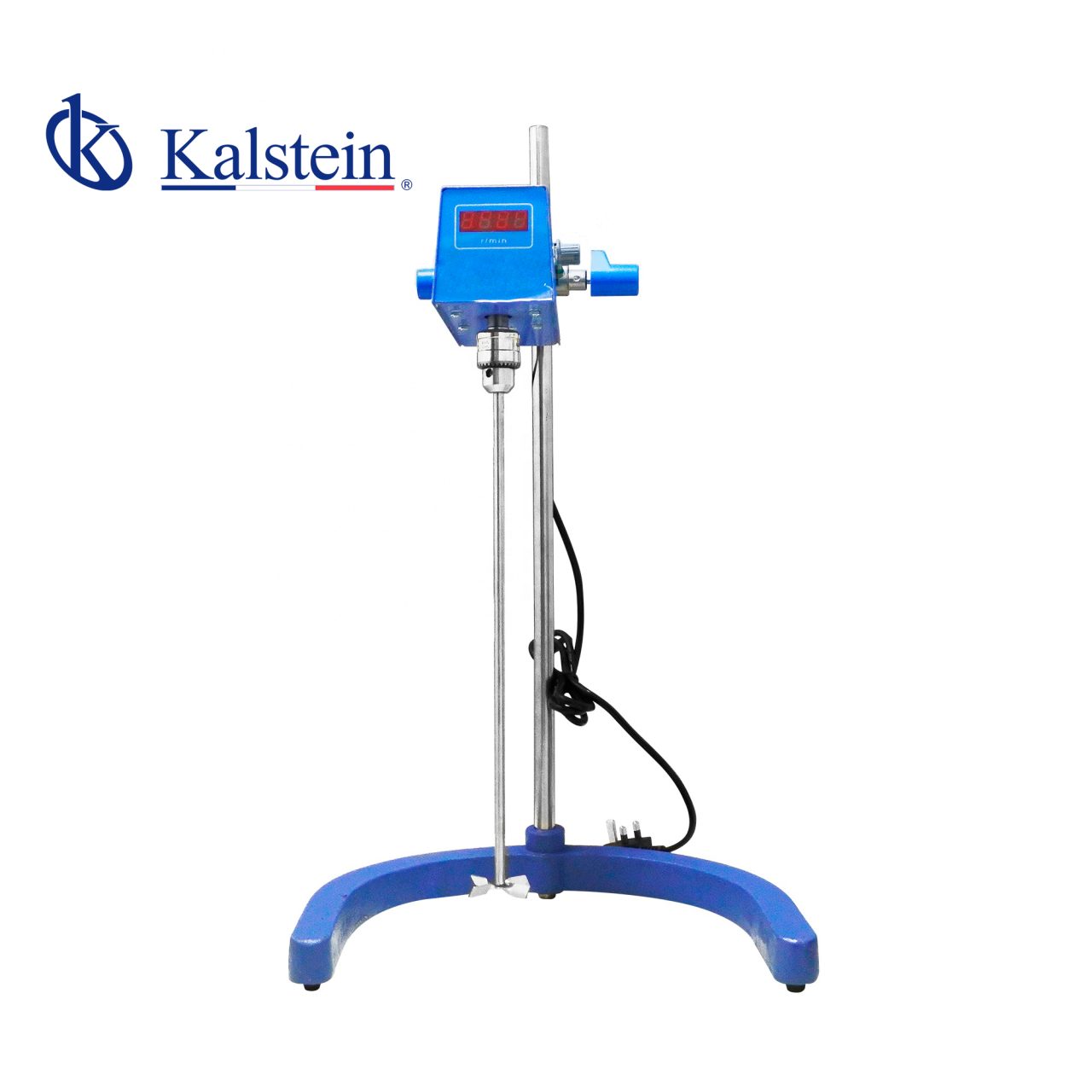
Homogenization is a chemical process where several insoluble substances are constantly and intensively mixed in order to create soluble suspensions or double emulsions. The homogenization process will depend on the materials the user intends to mix and how they will use them.
What is a microwave digester used for?
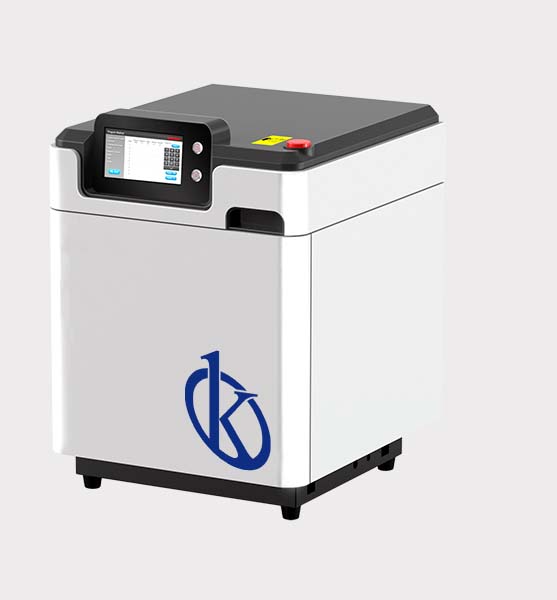
The applications of this equipment are wide in different areas, generally used to mineralize solid samples from which information is obtained at elemental level through spectroscopic technique, so it is necessary that the sample is in liquid state, this apparatus is present in laboratories dedicated to the Environment, agriculture, food, plastics, petrochemical industry, geochemical industry, metals, ceramics.
Microwave digester: in which scientific sectors is it used?
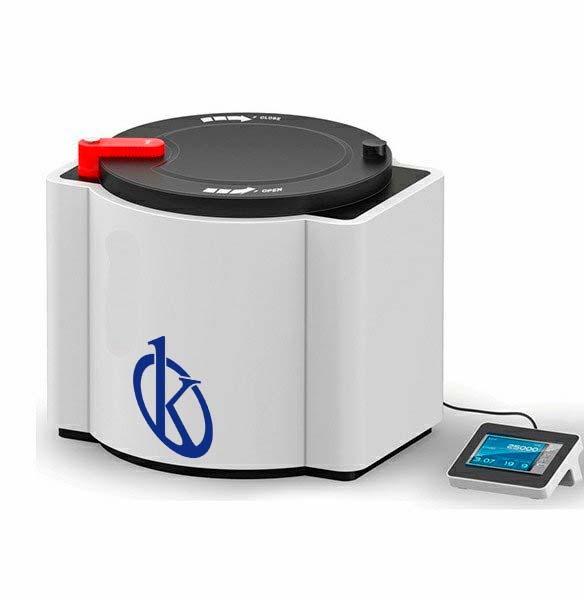
The use of this equipment for different scientific processes is proven thanks to the scientific researchers in the areas of chemistry and engineering, where the use of microwaves for NTK analysis and oxygen demand is validated, due to the effective system of temperature that these processes require, thanks to the microwave digester samples and tests reach a necessary temperature in a shorter time and without thermal degradation.
What are the types of light for childhood phototherapy?
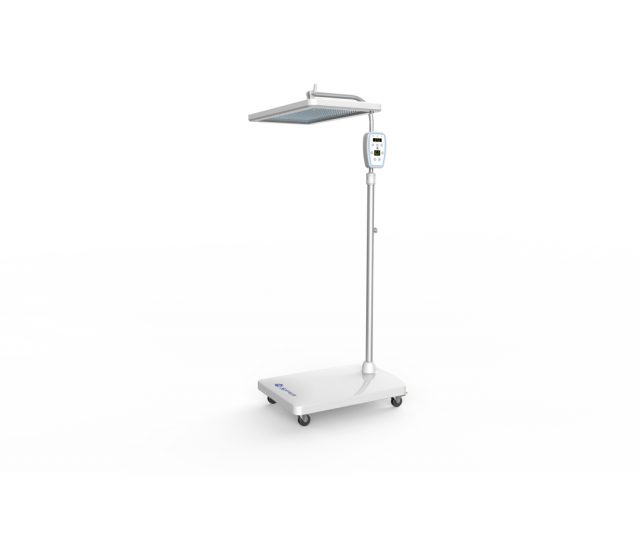
Phototherapy is a therapeutic measure used in specialties of medicine such as pediatrics and neonatology to treat neonatal hyperbilirubinemia. It is a technique based on the use of electromagnetic radiation (light) to decrease the values of bilirubin in blood, using the properties of light. The light rays emitted by phototherapy lamps result in the transformation of bilirubin into water-soluble photoisomers which are then more easily excreted in feces and urine, without the need to conjugate in the liver, thus decreasing blood bilirubin values.
Why is a colorimeter important in the lab?
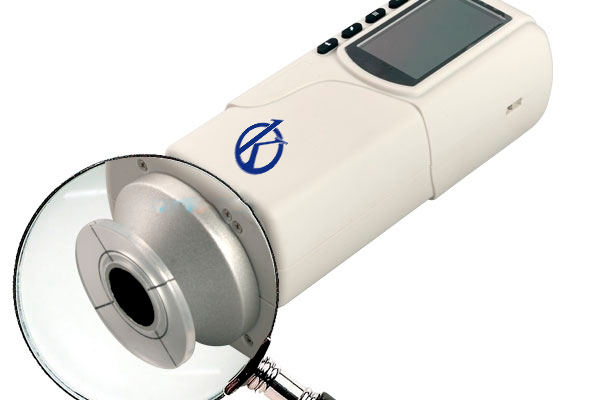
A colorimeter in the laboratory is considered a very effective tool when identifying a color and its hue, since it allows to obtain a more objective measurement of it. This laboratory equipment is also an instrument that has the property of measuring the absorbance of a solution at a specific light frequency.
What are the characteristics and applications of a reagent analyser?
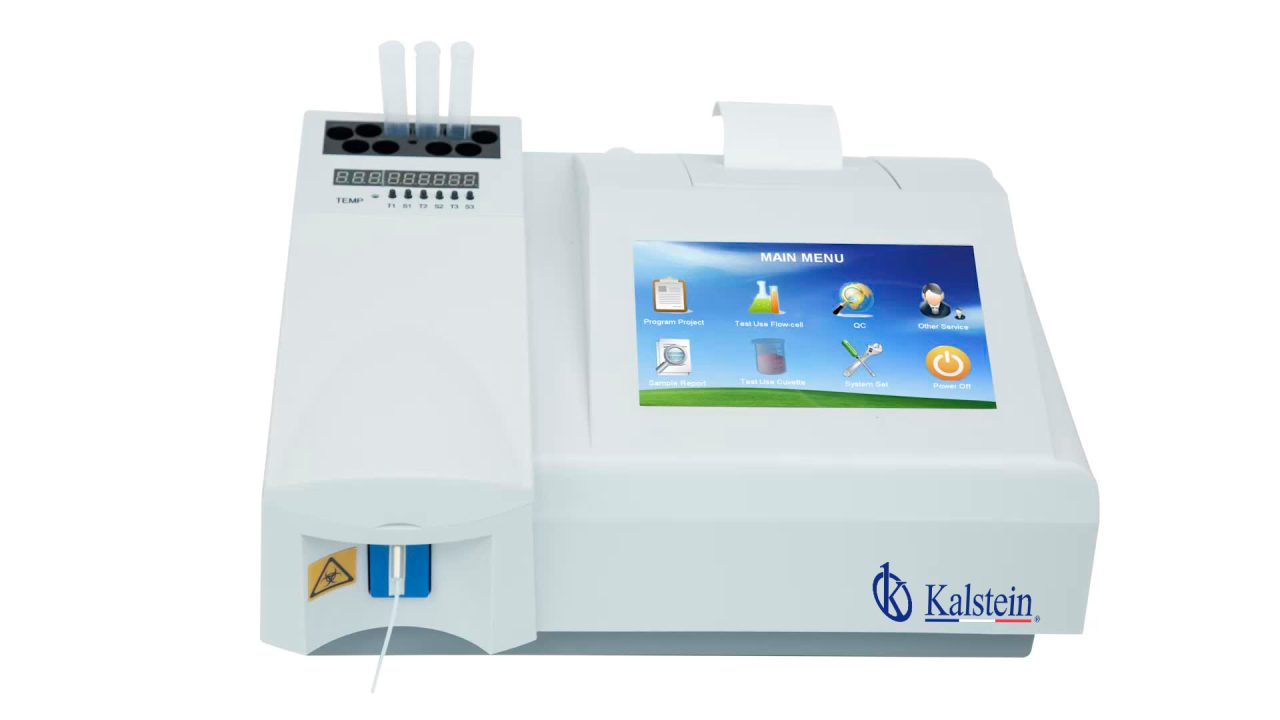
A reagent analyser is a computer that performs certain functions that facilitate the work in the laboratory, perform certain repetitive steps in the performance of the analysis, which consists of sampling and taking of reagents, mixing and measuring changes in the optical density of the reaction mixture specific for each parameter analyzed; thanks to the internal algorithms that process the result of the measure and returns a value of concentration of the analyte in the sample, this process is repeated until the analysis is completed.
What are the types of reagent analyzers that exist?
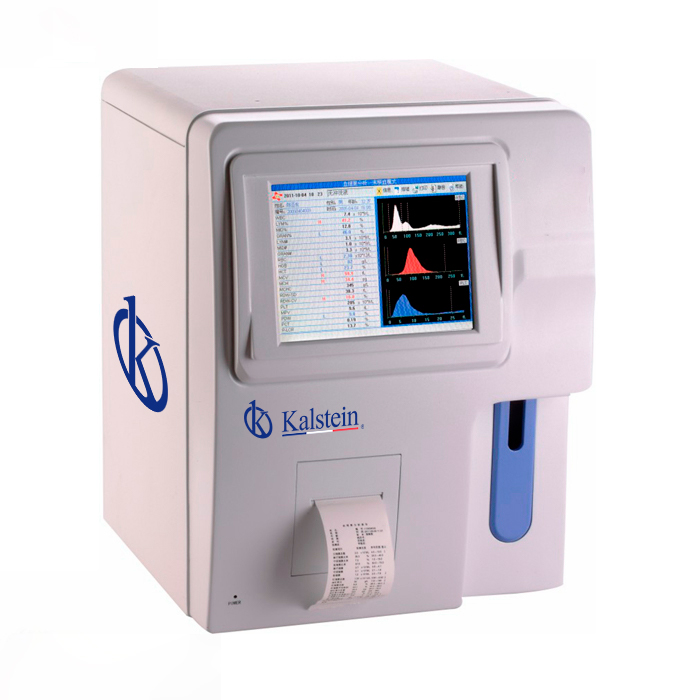
In a laboratory it is really important to understand the usefulness of each equipment, in the case of reagent analyzers, the analyzers are classified according to the tests that are required, the results that are desired to obtain, the automatic analyzers of laboratories, allow to facilitate the functions that are performed in it, the manufacturer of the analyzers is also part of the advantages and guarantees of each device, that is why in KALSTEIN, being manufacturers we guarantee them equipment of excellent quality.
Understanding the practical applications of the gel transilluminator
The gel transilluminator is a powerful tool that uses ultraviolet light to visualize nucleic acids and proteins stained on polyacrylamide or agarose gels. The device allows scientists to accurately detect the location and size of DNA or RNA fragments. This machine, which illuminates from below, brings up the signal invisible to the human eye and streamlines the process of analyzing genetic and protein information.
10 situations where Veterinary Monitors have saved the lives of animals
Veterinary monitors, also known as vital signs monitoring equipment for animals, are extraordinarily essential in animal medical practice. As their name suggests, these devices allow the monitoring of an animal’s vital signs, which is critical during surgical procedures or in emergency care to diagnose and treat any complications quickly. Kalstein, a leading manufacturer in this industry, has demonstrated how its veterinary monitors can be an invaluable asset in various animal emergency situations.